27-Day Trip from Mo Han → Lhasa → Mount Everest
[ General Overview ]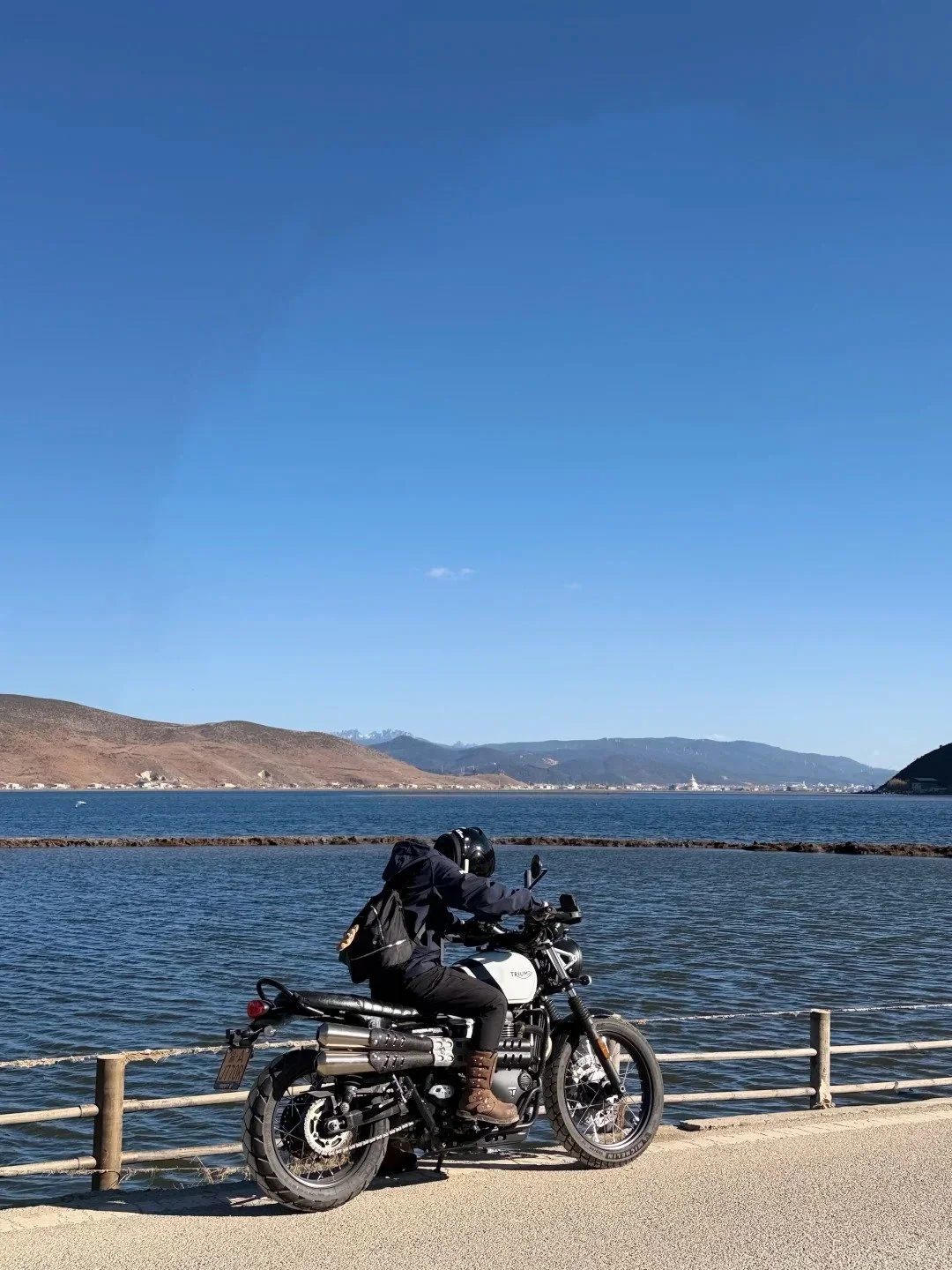
This is a long-distance high-altitude adventure motorcycle tour specifically designed for heavy-duty motorcycle riders, covering the Yunnan-Tibet and Sichuan-Tibet loop routes. The entire journey begins and ends at the Mohan Border Crossing, connecting southern Yunnan, the western Sichuan Plateau, and the heart of Tibet all the way to Everest Base Camp, before completing the loop via the northern section of National Highway G317 and the Yunnan-Tibet Highway on the return trip. The total distance exceeds 5,000 kilometers.
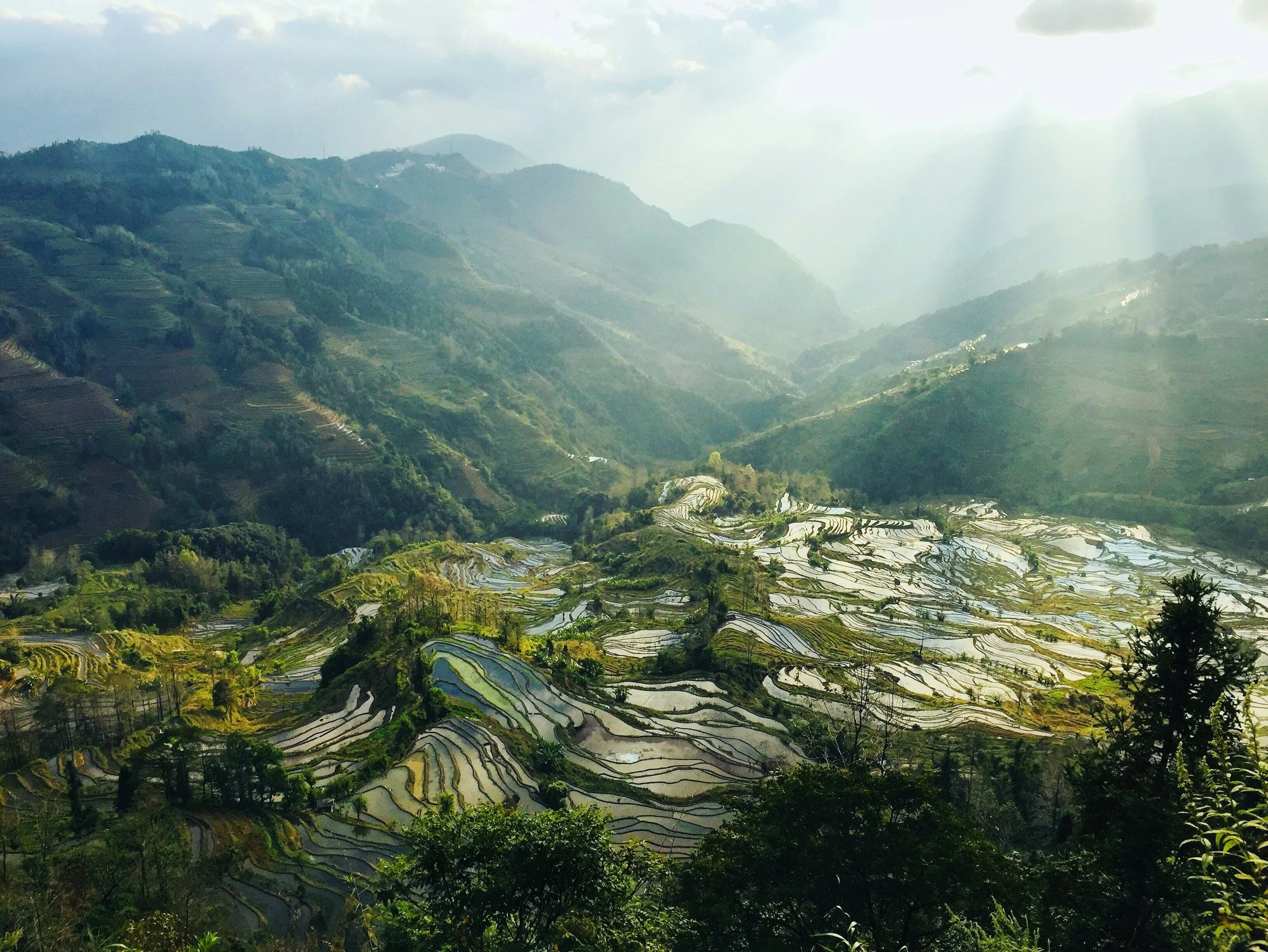
The route gradually ascends from the tropical rainforests of Yunnan at 800 meters to Everest Base Camp at 5,200 meters, then descends gradually. The cycling pace is carefully planned in strict accordance with high-altitude acclimatization principles to minimize the risk of altitude sickness as much as possible.
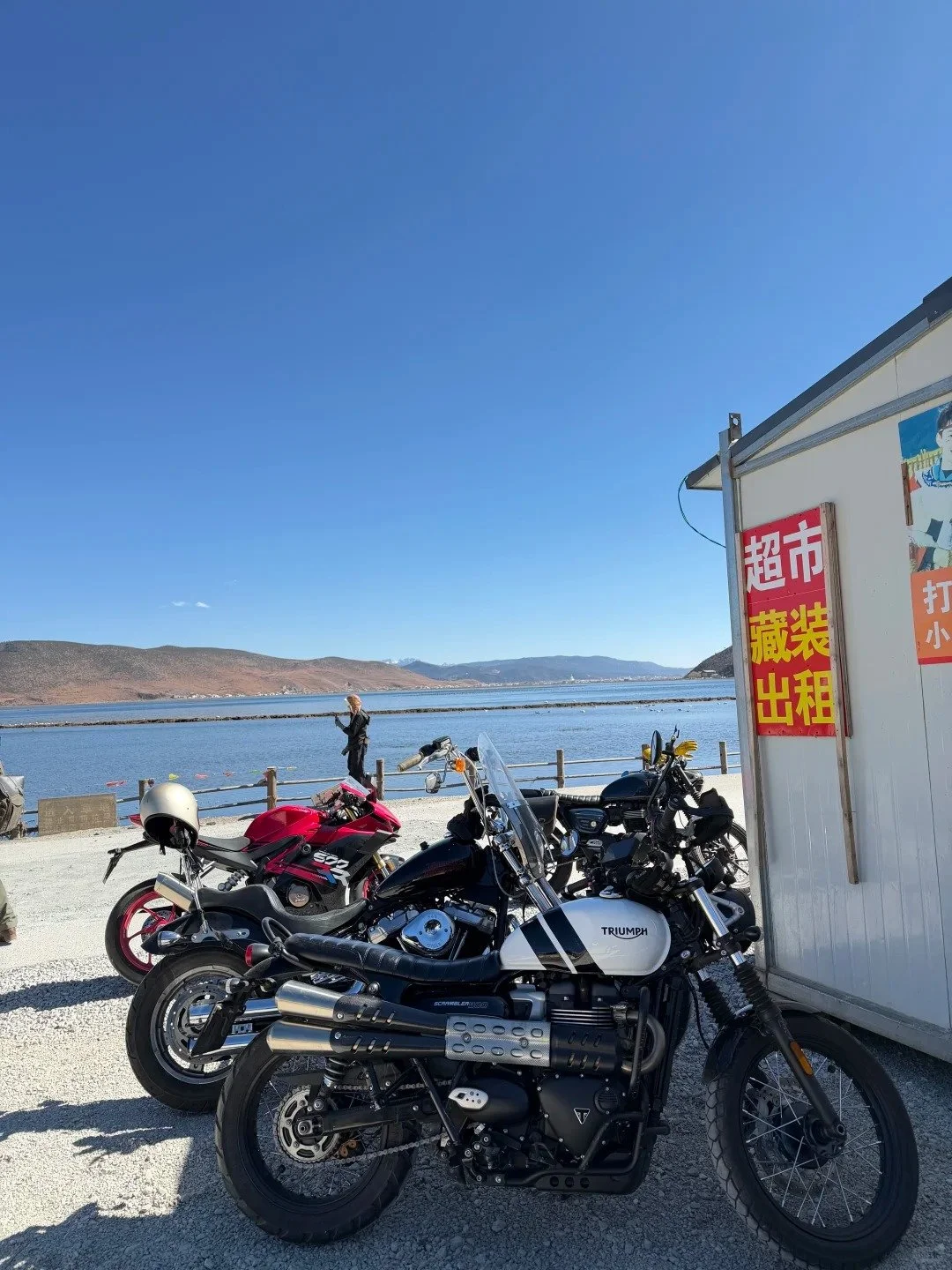
The entire trip is accompanied by a professional tour leader and a support vehicle, which provides medical oxygen, vehicle repair tools, and spare parts. We also handle all cycling-related documentation, including the Tibet Entry Permit and border control procedures. This is an in-depth adventure route on heavy motorcycles that combines rainforest scenery, high-altitude snow-capped landscapes, and Tibetan culture—it is not a typical sightseeing tour and is suitable for heavy motorcycle riders with experience in medium- to long-distance riding.
Details of the Experience
Duration of the Trip
27 days, 26 nights
Every year from May through October
Best Time to Visit
Price
Starting at 18,000 yuan per person (minimum group size: 10 people)
[ Highlights ]Highlights of the Itinerary
Enter via the Southern Sichuan-Tibet Route · Exit via G317 in Northern Tibet
The itinerary does not repeat the same route: the outbound journey takes the Southern Sichuan-Tibet Route (G318), crossing the Zheduo Mountains, Haizi Mountains, and the “72 Bends” of the Nujiang River all the way to Lhasa; the return journey takes the Northern Tibet Route (G317), passing through Suo County, Baqing, Dingqing, and Qamdo before heading south onto the Yunnan-Tibet Highway.This journey covers both of the most iconic high-altitude arteries leading in and out of Tibet, with scenery and road conditions that gradually evolve and never repeat.
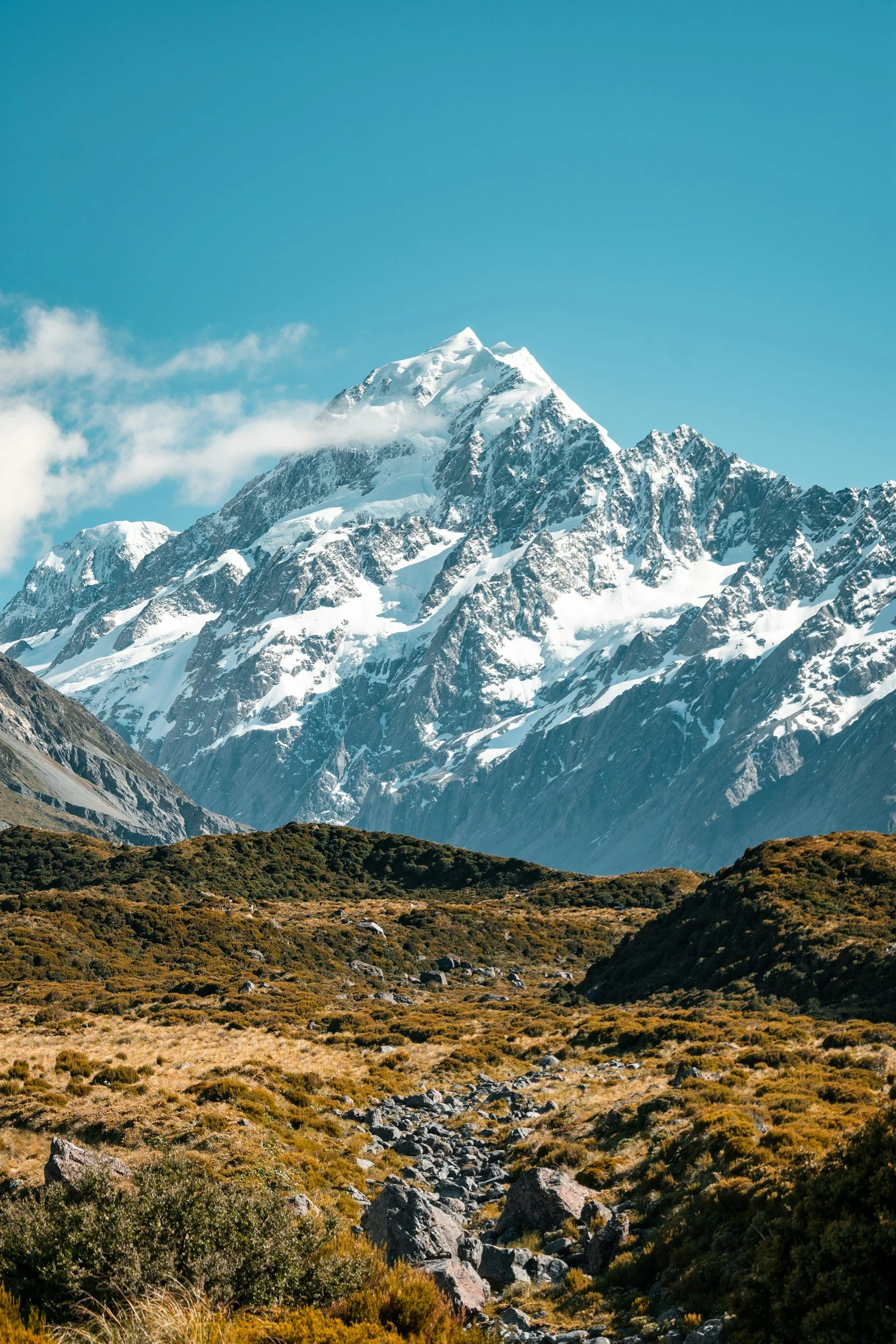
High-Altitude Expedition to Everest Base Camp
Travel south from Lhasa to Yamdrok Lake and the Karola Glacier, then pass through the Jiacuola and Jiawula mountain passes, gradually approaching 8,848.Depart early in the morning to enter the Mount Everest Scenic Area. Take the scenic area shuttle bus to Mount Everest Base Camp and Rongbuk Monastery at an altitude of 5,200 meters to gaze up at the Roof of the World up close. That evening, return to the oxygen-supplied Mount Everest Town for the night, balancing an unforgettable experience with safety from altitude sickness.
Scientific Altitude Gradient
The route begins in the low-altitude tropical region of Xishuangbanna, gradually ascending through Kunming, Xichang, and Chengdu before officially entering the plateau at Kangding; the low-altitude camp at Rumei (2,650 meters) serves as a crucial recovery point before the high-altitude section, while consecutive stays in Lhasa and Shigatse allow the body to gradually acclimate over the course of 27 days, minimizing the risk of altitude sickness.
A Perfect Blend of Natural and Cultural Beauty
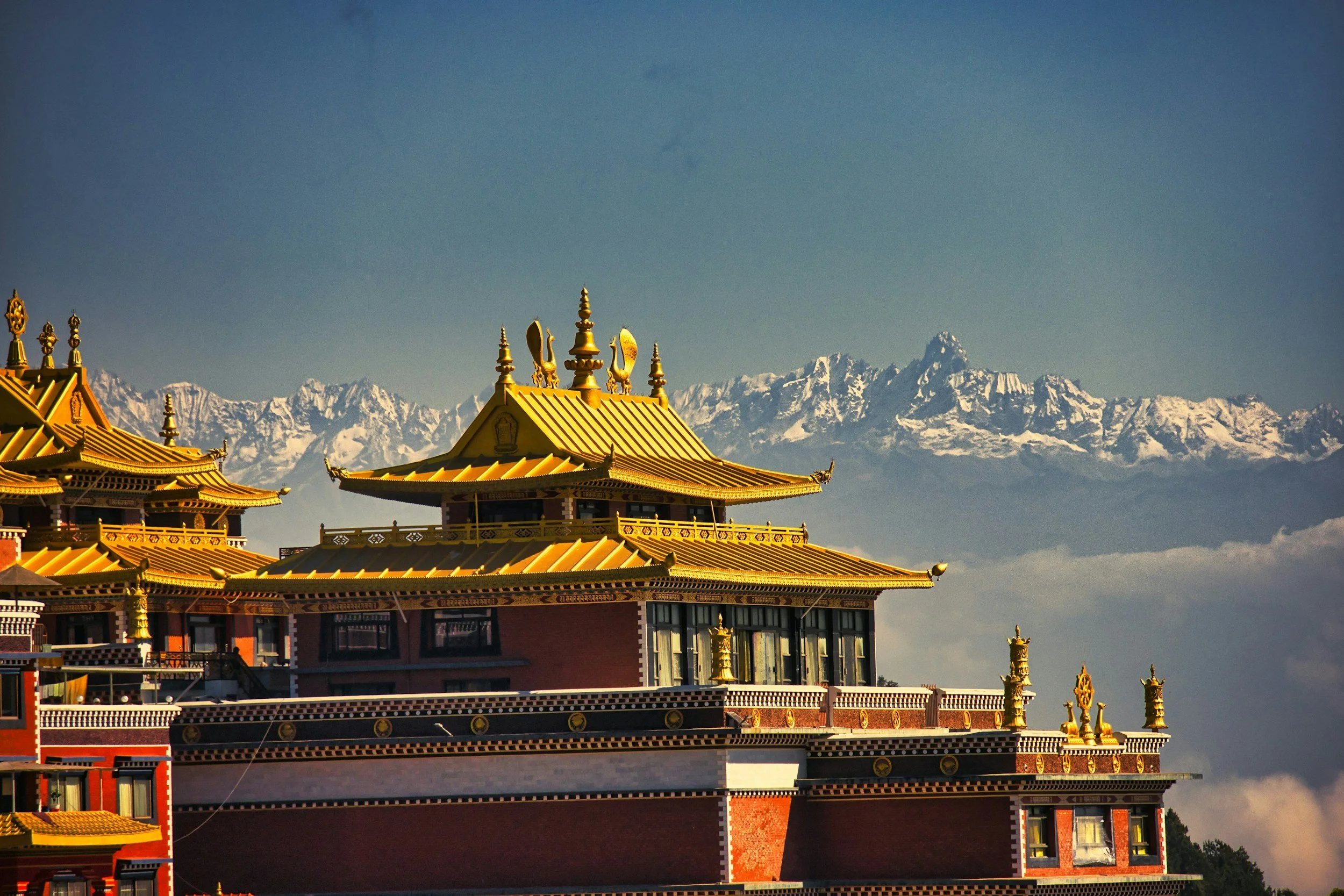
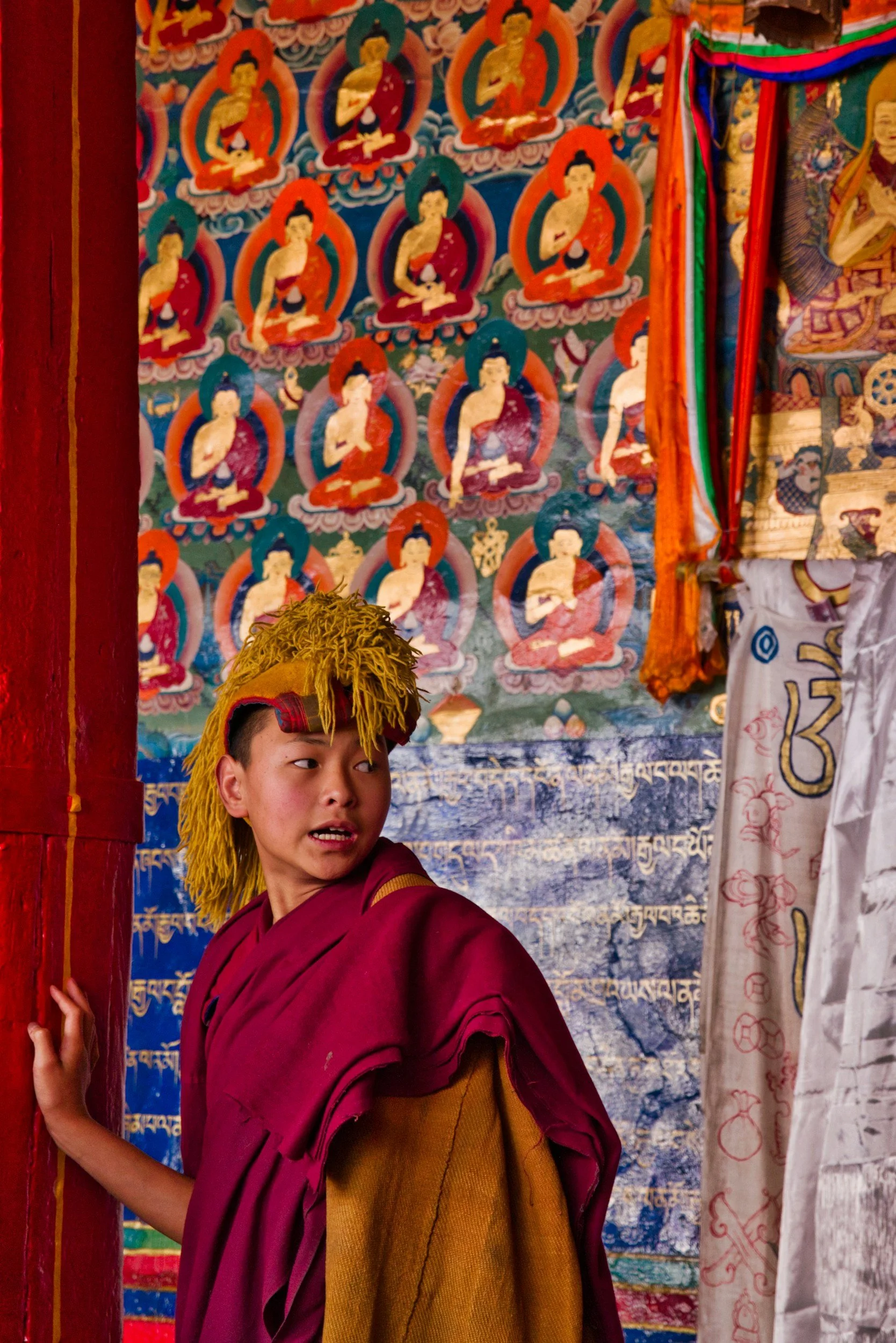
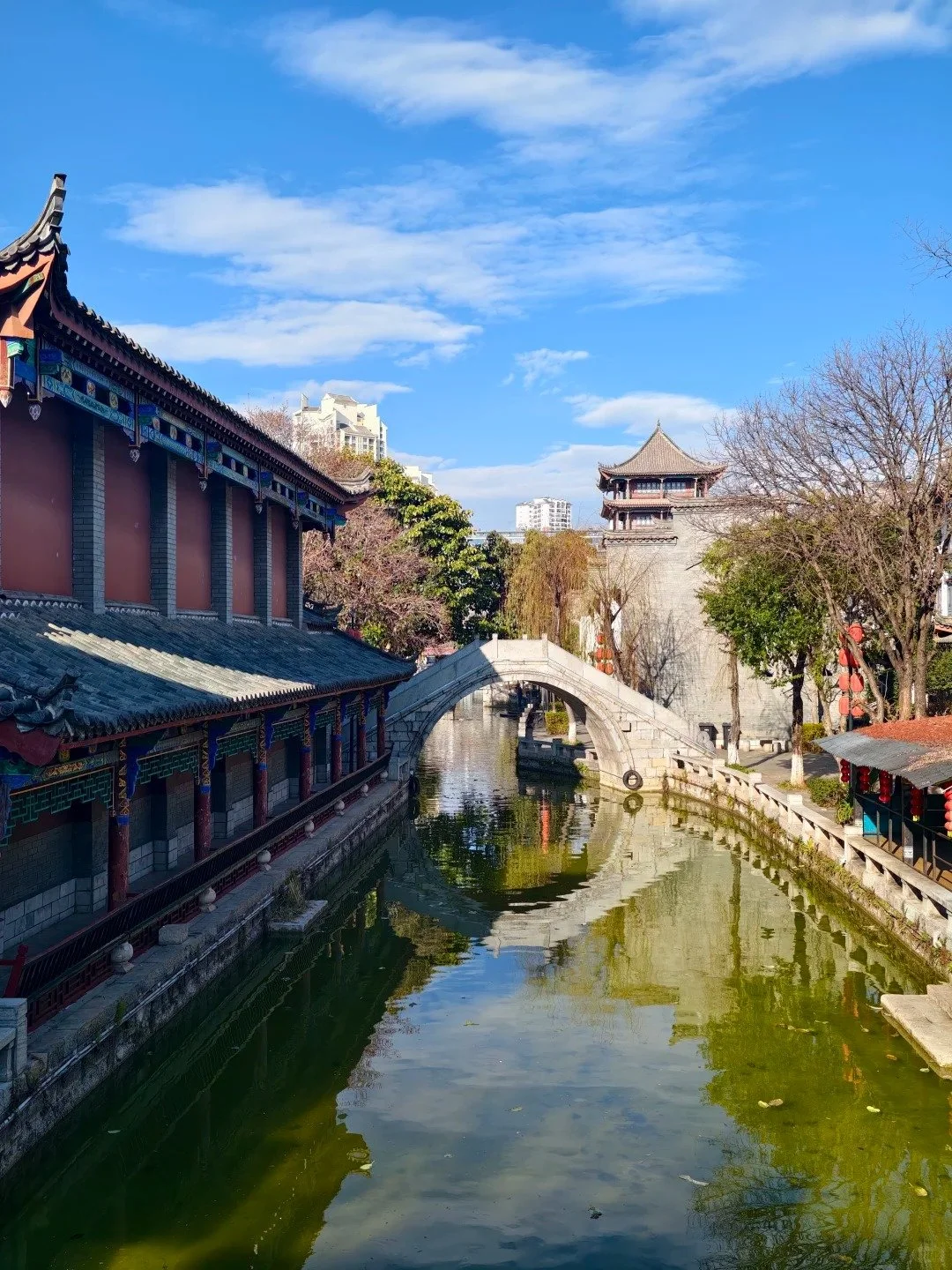
The route features the giant panda, the Wuhou Temple, the Potala Palace, the Jokhang Temple, Barkhor Street,Lake Ranwu, the Midui Glacier, Mount Namcha Barwa, Lake Yamdrok, the “Golden Peak” of the Meili Snow Mountains, the Millennium Salt Wells along the Lancang River, and Tiger Leaping Gorge. The high-altitude snow-capped mountains, glacial lakes, Tibetan villages, monasteries, and pagodas harmoniously blend with the cultural heritage of the Ancient Tea-Horse Road, making it a true corridor of natural beauty and civilization.
Travel Itinerary
■
Days 1–5: Gathering at the Border · Crossing Sichuan and Yunnan
Day 1 | Mohan Border Crossing — Jinghong (approx. 180 km)
We met up with the expedition team at the Mohan Port of Entry, completed the entry, customs, and temporary vehicle import procedures, and received temporary Chinese license plates and temporary driver’s licenses. After completing the formalities, the convoy headed north through the tropical landscapes of Xishuangbanna to Jinghong, where we rested that evening, held a pre-expedition briefing, and conducted a full vehicle inspection.
Day 2 | Jinghong — Kunming (approx. 510–530 km)
We set out early in the morning and headed north along the Kunming-Mojiang Expressway toward Kunming. This is a long-distance travel day, so no formal sightseeing is scheduled. The convoy will gather every 90–120 minutes for refueling, rest breaks, and vehicle inspections. The scenery gradually transitions from the tropical rainforests of Xishuangbanna to the cool highland landscapes of central Yunnan.
Day 3 | Kunming — Xichang (approx. 500–540 km)
Leaving Kunming and heading north, we’ll traverse the mountainous region where Sichuan and Yunnan meet. Most of the route will be on the highway to ensure predictable road conditions for the mixed convoy. This is another major travel day, so sightseeing stops will be kept to a minimum; we’ll arrive in Xichang, the capital of Liangshan Prefecture, in the evening or at night to spend the night.
Day 4 | Xichang — Chengdu (approx. 430–460 km)
Head north on the G5 Beijing-Kunming Expressway, passing through the famous mountainous section of the expressway in the Ya’an-Xichang region. The dense cluster of tunnels, elevated bridges, and magnificent mountain scenery along the way are truly impressive. After passing through Ya’an, the route gradually enters the Chengdu Plain, and you’ll arrive in Chengdu, where you’ll stay for two consecutive nights.
Day 5 | Sightseeing and Rest Day in Chengdu
The entire day is set aside for sightseeing, personal rest, and vehicle maintenance. Visitors can explore the Giant Panda Breeding and Research Base, the Wuhou Temple, and Jinli Ancient Street. In the afternoon, the expedition team will conduct a thorough inspection of the motorcycles and support vehicles, including tires, brakes, chains, fluids, batteries, and communication equipment.
Days 6–13: The Sichuan-Tibet Highway · G318: First Steps into the Snowy Lands
Day 6 | Chengdu — Ya'an — Luding — Kangding (approx. 330 km)
Leaving the Chengdu Plain behind, we head west through Ya’an into the mountainous region of western Sichuan. We traverse the Dadu River Valley and pass through Luding, then climb the hill to reach Kangding—the gateway to the Sichuan-Tibet region and the traditional entrance to the Qinghai-Tibet Plateau. The gradual rise in elevation marks the official start of the high-altitude leg of our expedition.
Day 7 | Kangding — Honghaizi — Tagong — Motorcycle Park — Yajiang (approx. 300 km)
Depart from Kangding early in the morning and travel along Provincial Highway S434 through the mountains of western Sichuan. First, stop at Honghaizi, then continue on to visit Tagong Grassland and the Motorcycle Park. Afterward, head back along the Xinduqiao Corridor toward Yajiang. This is an intense day that combines motorcycling and sightseeing; if weather or road conditions are unfavorable, you may skip the Motorcycle Park to ensure you arrive before dark.
Day 8 | Yajiang — Litang — Batang (approx. 300 km)
Travel west along G318, passing through the high-altitude landscapes of western Sichuan, crossing the mountain ranges upstream of the Yalong River, Litang, and Haizi Mountain, and passing by the famous Sister Lakes before descending to Batang. Regular stops will be scheduled along the way to continuously monitor everyone’s physical condition and ensure we are well-prepared to handle the challenges of high altitude.
Day 9 | Batang — Mangkang — Rumei (approx. 150 km)
After crossing the Jinsha River, we officially entered the Tibet Autonomous Region. Following a check of our travel documents at the checkpoint, the convoy passed through Mangkang and arrived in Rumei. Rumei is located at an elevation of approximately 2,650 meters; this lower-altitude camp serves as an important stop for physical recovery before the upcoming high-altitude section of the journey.
Day 10 | Rumei — Zogong — Bangda — Baxiu (approx. 290 km)
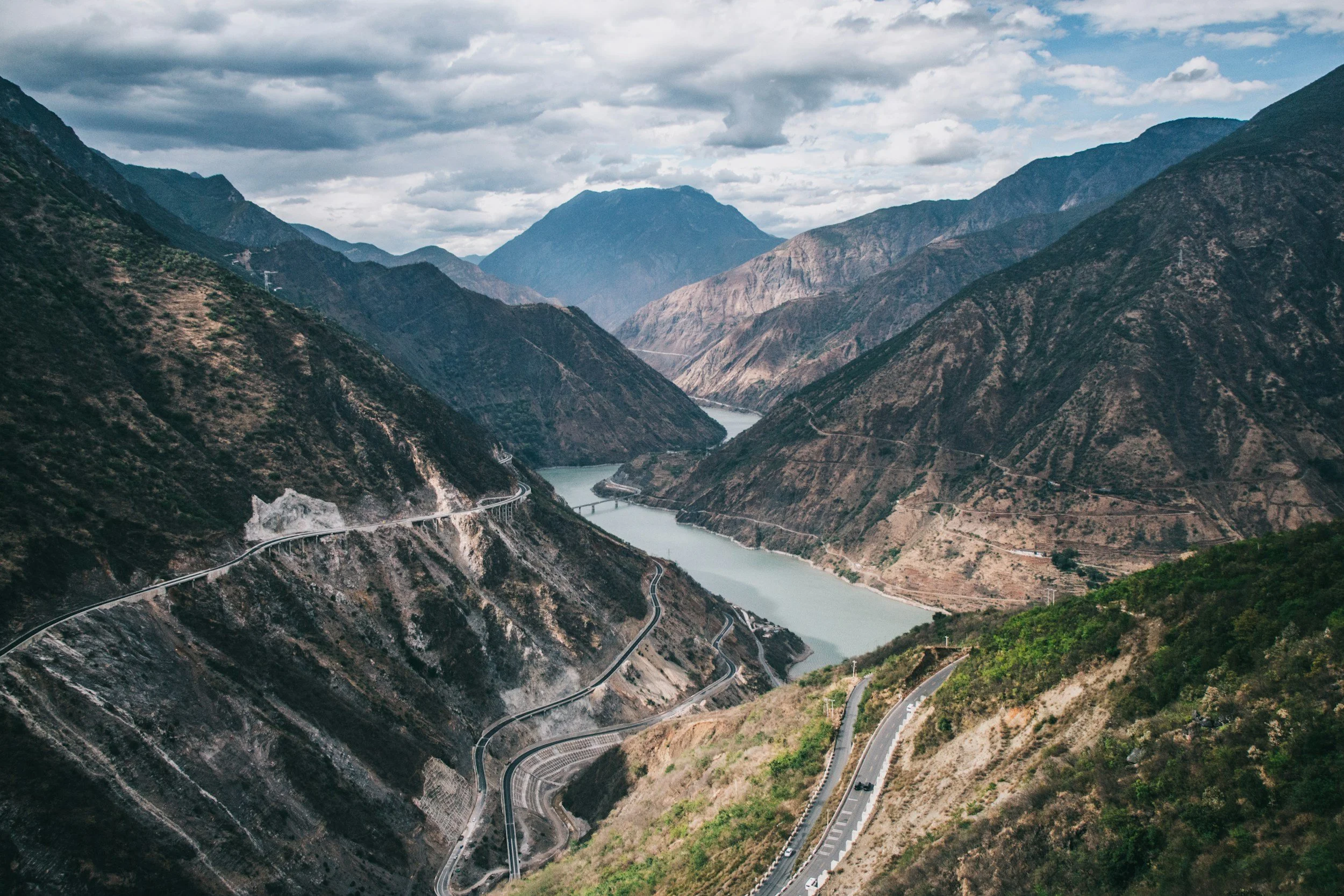
Departing from Rumei, we’ll cross the mountains of Eastern Tibet. Passing through Zogong and the Bangda Grasslands, we’ll cross the Yela Mountains and descend the famous 72 Bends of the Nu River. Along the way, the canyons are rugged and the scenery breathtaking. After passing through the Nu River Gorge, we’ll arrive in Baxiu for the night.
Day 11 | Baxiu — Ranwu Lake — Bomi (approx. 220 km)
Travel from Baixiu to Ranwu Lake, where the lake is surrounded by snow-capped mountains and magnificent glaciers. Continue westward along the Palong Tsangpo River Gorge to reach Bomi. If road conditions, weather, and time permit, you can arrange a visit to the Midui Glacier to experience the tranquility and majestic beauty of southeastern Tibet.
Day 12 | Bomi — Tongmai — Lulang — Nyingchi (approx. 230 km)
Departing from Rumei, we’ll cross the mountains of Eastern Tibet. Passing through Zogong and the Bangda Grasslands, we’ll cross the Yela Mountains and descend the famous 72 Bends of the Nu River. Along the way, the canyons are rugged and the scenery breathtaking. After passing through the Nu River Gorge, we’ll arrive in Baxiu for the night.
Day 13 | Nyingchi — Basong Lake — Lhasa (approx. 480 km)
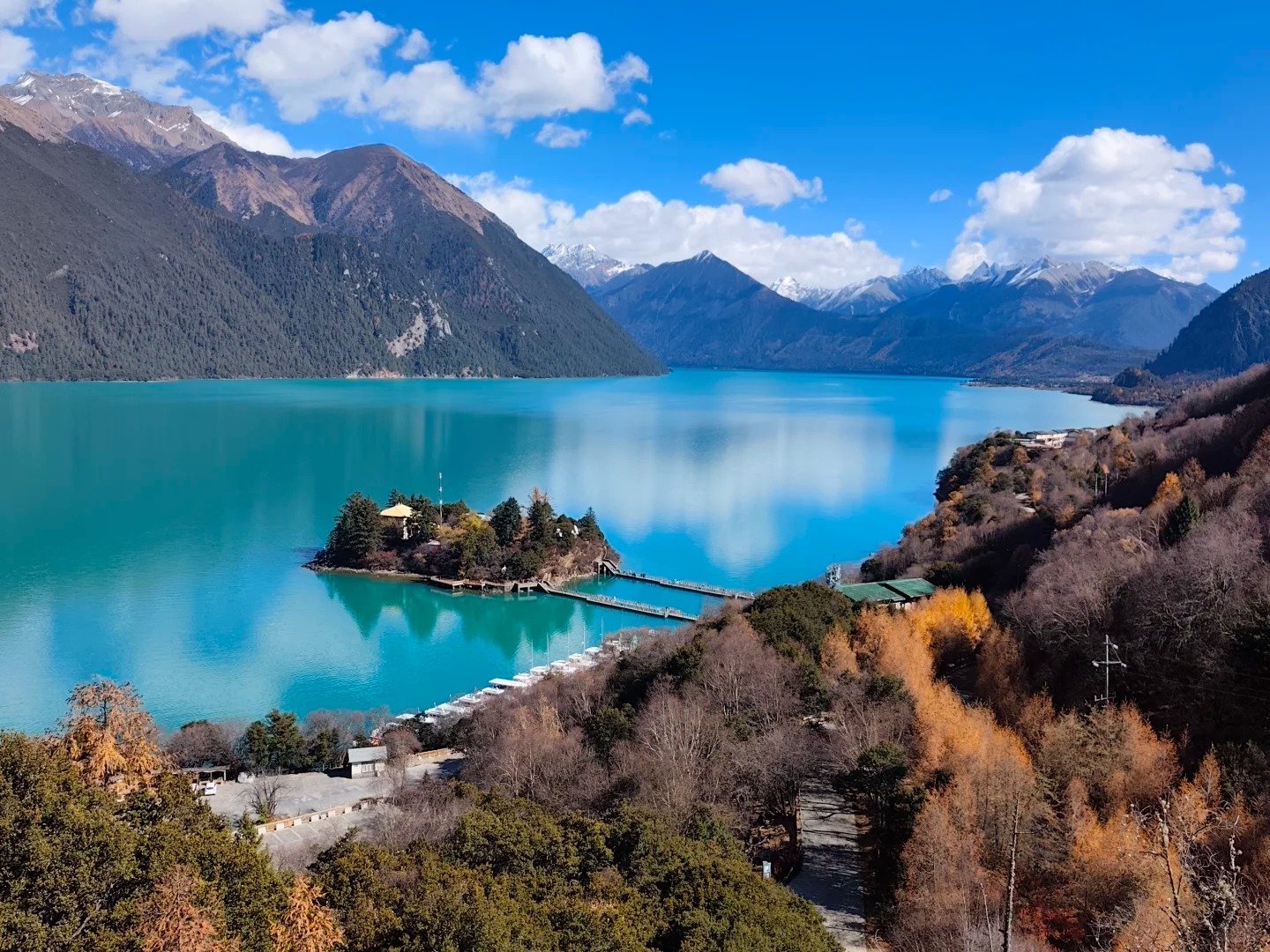
We’ll depart from Nyingchi early in the morning for Basong Co, visit the island in the center of the lake and Cuozong Monastery, and then head straight to Lhasa via the main highway. Since this is a demanding day that combines sightseeing with driving, we’ll only visit the main scenic area at Basong Co—the long hike to Xinco is not included in the itinerary—and arrive in the holy city of Lhasa that evening.
Days 14–17: Lhasa, the Holy City · The Summit of Mount Everest
Day 14 | Sightseeing and Rest Day in Lhasa
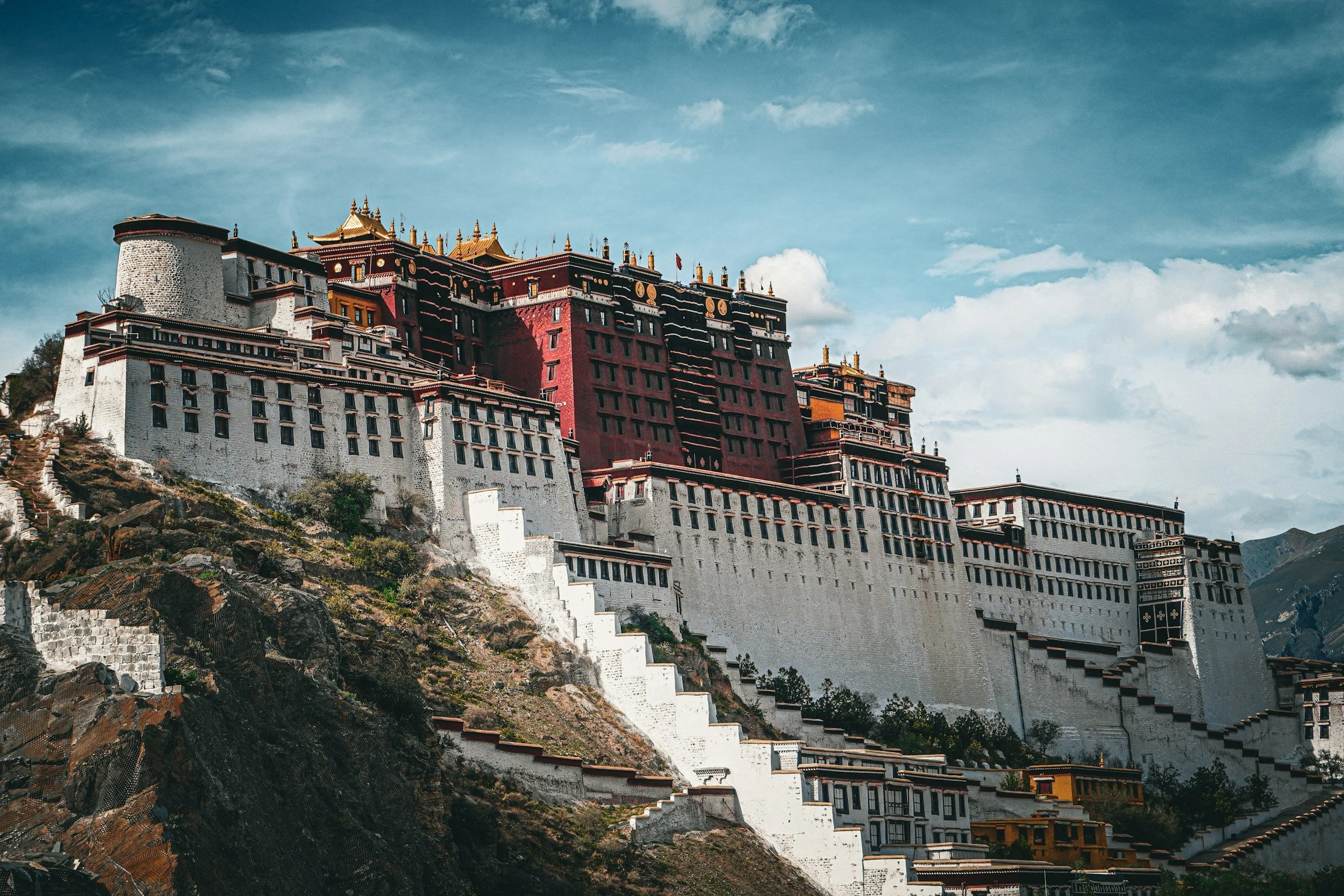
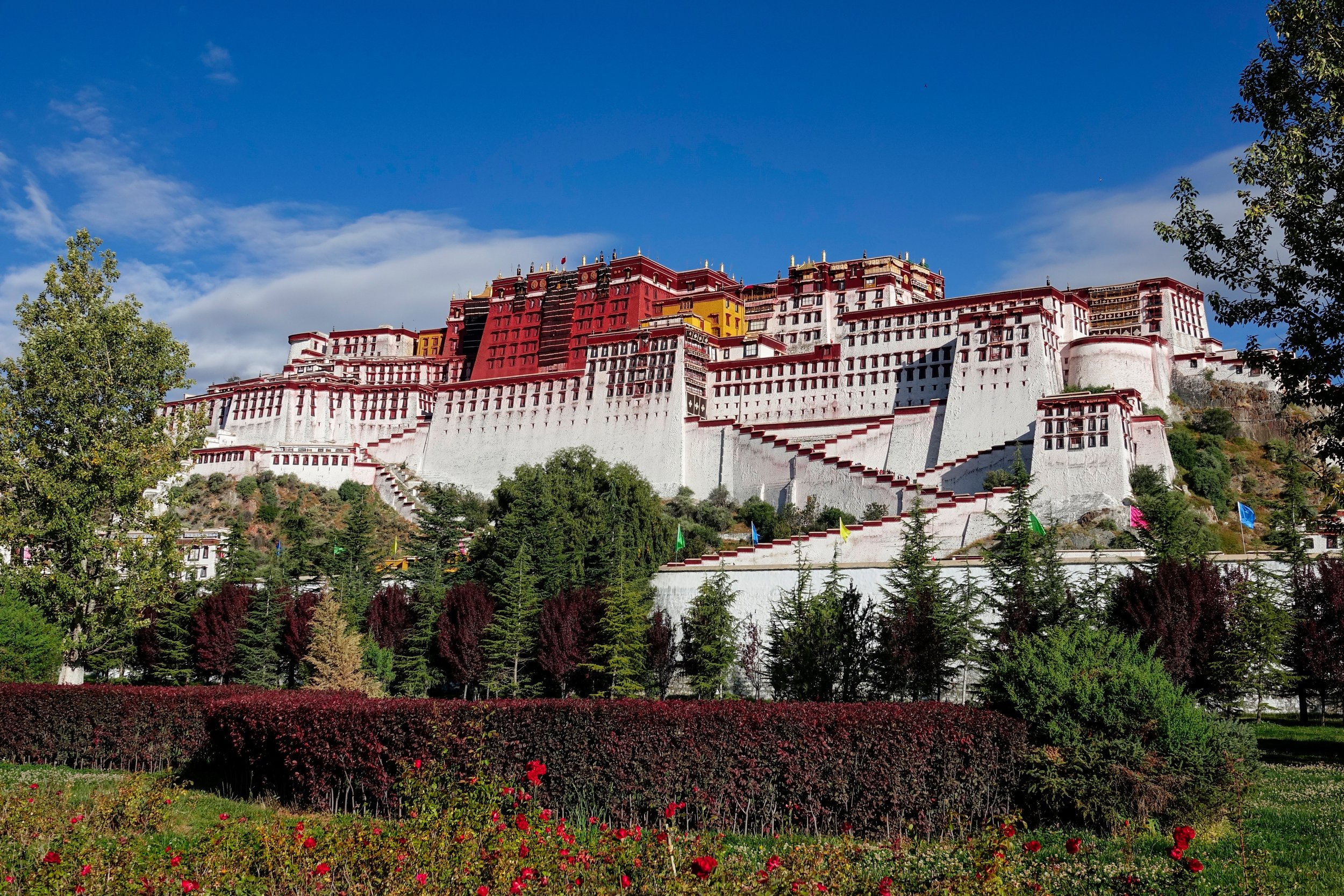
Spend the entire day exploring Lhasa’s cultural landmarks. Depending on reservations and permit status, you may visit the Potala Palace, the Jokhang Temple, and Barkhor Street, immersing yourself in the spiritual atmosphere of Tibetan Buddhism. The afternoon will be devoted to vehicle inspections and resupplying, ensuring you’re fully prepared for the upcoming high-altitude section of the Mount Everest trek.
Day 15 | Lhasa — Yamdrok Lake — Karola Glacier — Shigatse (approx. 360 km)
Leaving Lhasa, we’ll cross the Gangbala Pass to look down on Yamdrok Lake, one of Tibet’s three sacred lakes. After driving along the lake, we’ll head to the Karola Glacier and Mount Zong in Gyantse. Following the sightseeing tour, we’ll continue westward and spend the night in Shigatse, a major city in Back Tibet.
Day 16 | Shigatse — Lhatse — Jatsola Pass — Everest Town (approx. 300 km)
Travel west from Shigatse through Lhatse into the Mount Everest region, crossing the Jiacuola Pass at an elevation of 5,200 meters and passing through the checkpoint. On a clear day, you can see four 8,000-meter-class peaks in the distance from the Gaurala Pass. That night, stay in the oxygen-supplied Mount Everest Town rather than at the 5,200-meter base camp.
Day 17 | Everest Town — Everest Base Camp — Shigatse (approx. 430 km)
Depart before sunrise to enter the Mount Everest Scenic Area. After passing security checks, take the scenic area shuttle bus as needed to Mount Everest Base Camp and Rongbuk Monastery to stand face-to-face with the 8,848-meter-high “Roof of the World.” Due to the extreme altitude and the long return journey, the tour will be kept brief and will not wait for sunset; the group will return to Shigatse the same day. Those feeling unwell may be transported back by the support vehicle.
Days 18–23: The Hidden Wonders of Northern Tibet · G317: Return to the East
Day 18 | Shigatse — Lhasa Outer Ring Road — Damxung (approx. 480 km)
We traveled east from Shigatse, passed through the outskirts of Lhasa, and then headed north to Damxung. No sightseeing in Lhasa was scheduled for the day, as the goal was to reorganize the convoy for the northern Tibet leg of the journey. Upon arriving in Damxung, we rested and prepared for the next day’s long-distance trek at high altitude, conserving our energy.
Day 19 | Dangxiong — Nagqu — Suo County (approx. 420 km)
We set out from Dangxiong early in the morning, heading north to Nagqu before turning east toward Suo County. This will be a long day of driving at high altitudes, traversing open grasslands and exposed plateau stretches; wind, rain, snow, and sudden temperature changes may affect our progress. Contingency plan: If we encounter significant delays before reaching Nagqu, we will spend the night there; under no circumstances will we drive at night on the plateau.
Day 20 | Suo County — Baqing — Dingqing (approx. 250 km)
Travel eastward from Suo County along G317, passing through Baqing on the way to Dingqing. The route crosses remote plateau valleys and several high-altitude sections; since supply points and service stations are sparser here than along the southern G318 route, refueling and rest stops must be carefully planned. This makes it one of the most logistically challenging sections of the Northern Tibet route.
Day 21 | Dingqing — Lueqi — Qamdo (approx. 240 km)
Travel east from Dingqing through the scenic landscapes of the Eastern Tibetan Plateau. Consider visiting Zizhu Temple only when the weather, road conditions, travel progress, and health are all favorable, as the mountain access road is not suitable for large mixed convoys during rain, snow, or low visibility. Continue on through Lueqi to reach Qamdo, a major city in Eastern Tibet.
Day 22 | Qamdo — Mangkon (approx. 350–380 km)
Leaving Qamdo and heading south through the mountainous gorges of eastern Tibet, the road winds its way along the Lancang River system. With majestic mountains and rushing rivers along the way, the journey leads to Mangkon—a key junction of the Sichuan-Tibet and Yunnan-Tibet routes and a major hub on the ancient Tea-Horse Road—marking a crucial step in the return journey through the Tibetan section.
Day 23 | Mangkon — Yanjing — Feilai Temple (approx. 230 km)
Travel south from Mangkang to Yanjing; depending on access conditions, visit the “Millennium Salt Well”—the best-preserved ancient salt field to date—and then cross the Lancang River Gorge to officially enter Yunnan Province, arriving at Feilai Temple, where, on a clear day, you can see Kawagebo, the main peak of the Meili Snow Mountains, in the distance.
Days 24–27: The Journey Home from Western Yunnan · Back to Mohan
Day 24 | Feilai Temple — Deqin — Benzi Lan — Shangri-La (approx. 200 km)
Depending on the weather, wake up early to witness the spectacular “Sunlit Golden Mountain” phenomenon at Meili Snow Mountain. After breakfast, travel south through Deqin and Benzilan along the Jinsha River valley to reach Shangri-La. This is a relatively leisurely day for rest and recuperation following the strenuous Tibetan-region stretch.
Day 25 | Shangri-La — Tiger Leaping Gorge — Dali (approx. 300 km)
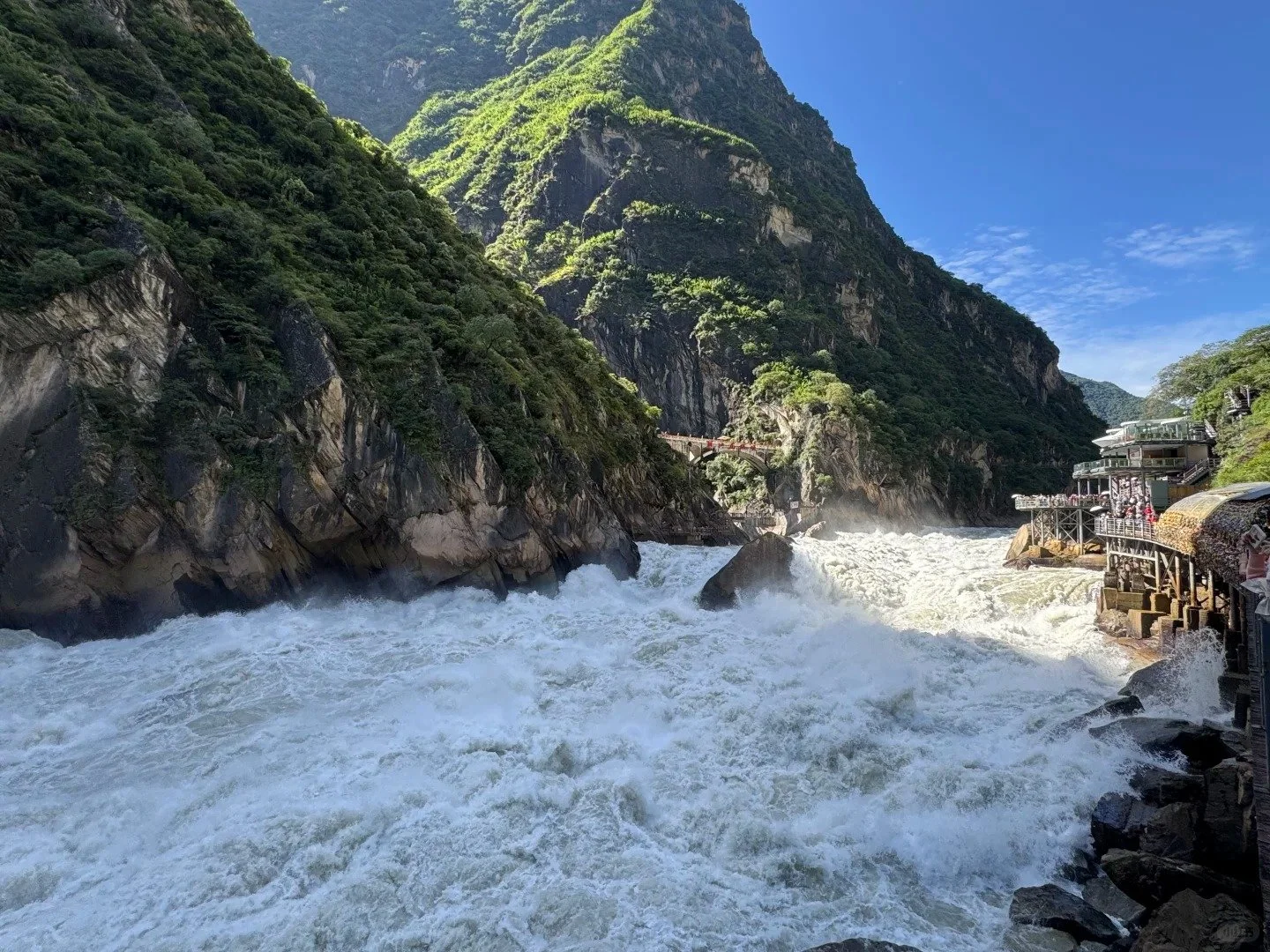
Leave Shangri-La and head down the Jinsha River, visiting or passing through Tiger Leaping Gorge—one of the deepest gorges in the world—to watch the river roar and surge between massive boulders. Then, travel south along the outskirts of Lijiang, arriving in Dali—a place of “wind, flowers, snow, and moon”—in the evening or at night.
Day 26 | Dali — Chuxiong — Yuxi — Pu'er (approx. 550 km)
This is the longest travel day of the entire journey. The convoy will primarily travel on highways, with no formal sightseeing scheduled; refueling, meals, rest stops, and vehicle inspections will be coordinated centrally. Motorcycles and cars will travel in separate groups, meeting at designated service areas as they steadily advance toward southern Yunnan.
Day 27 | Pu'er — Jinghong — Mohan Border Crossing (approx. 290 km)
The group headed south through Jinghong and returned to the starting point at the Mohan Port. Upon arrival, the expedition team assisted with the procedures for the Chinese vehicles to exit the country and clear customs, and processed the temporary vehicle permits and license plates in accordance with exit requirements. With the procedures completed, this 27-day motorcycle expedition along the Yunnan-Tibet and Sichuan-Tibet loop came to a successful conclusion.
[ Journey ]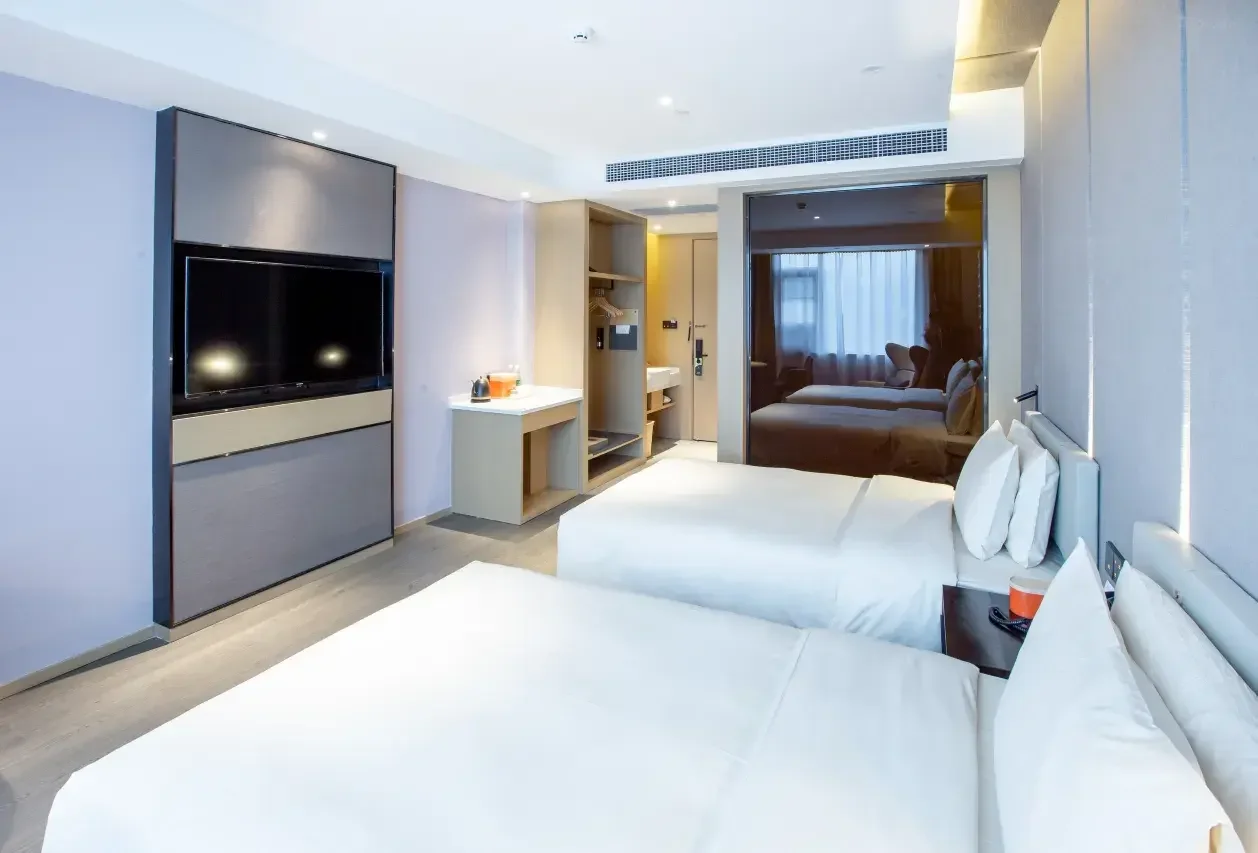
Fee Information
Letter of Entry into Tibet and All Necessary Procedures
Chinese-English Tour Guides
Accommodations for the Entire Trip
Breakfast + Selected Specialty Meals
Travel Insurance + High-Altitude Insurance
Medical Oxygen
Support Vehicle
RESO Intercom
What's Included
Transportation to and from Lhasa
Single Room Supplement
Personal Expenditures
Suggested tip: ¥50 per person per day
Toll fees, parking fees
Vehicle/Motocycle Rental Fee (Inclued Fuel)
Attraction Tickets
The fee does not include
[ Travel Questions ]
Frequently Asked Questions
-
We recommend traveling in the spring (April, May, June) or fall (September, October). During these months, the weather and road conditions in western China are generally more stable.
-
Traveling to and from Tibet is very convenient. Currently, there are flights, trains, and several overland routes to choose from.
-
Tibet is currently open to international tourists. However, when planning your trip, you should be aware of the relevant restrictions: for example, you must apply for an Entry Permit to Tibet in advance, and you must participate in a fixed itinerary arranged by a travel agency; Tibet does not currently allow independent travel.
-
The price includes off-road vehicle or motorcycle rental, hotel accommodations, licensed tour guide services, first-entry admission tickets to attractions, and all administrative permit and licensing procedures.
-
You will need to provide your passport, a driver’s license valid for at least 6 months, and the registration documents for your car or motorcycle. We will assist you with all the legal formalities required to drive in China.
-
Yes. We will arrange transportation for you on the day of your arrival and departure, providing round-trip service between the hotel and the airport or train station.
-
Sure. After a detailed consultation with our travel advisors, we’ll design a customized road trip itinerary in China based on your specific needs.
Related Trips
Chengdu to Lhasa: 10 Days
Kunming to Mount Kailash, 18 Days
Mo Han–Kashgar: 17 Days