18-day trip to Kunming → Lhasa → Kailash
[ Overall Overview ]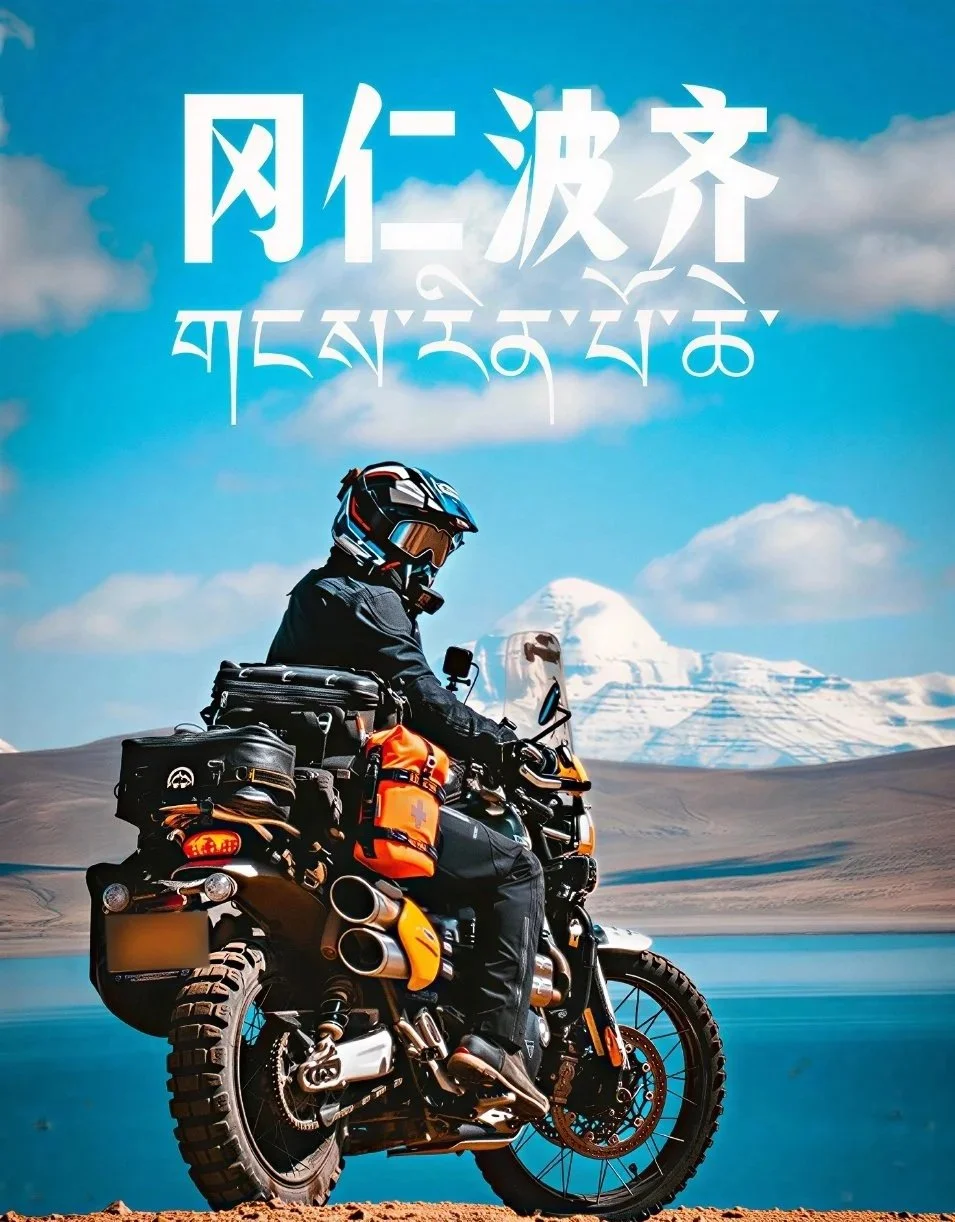
This is an epic plateau route specially created for knights who love distance and freedom.
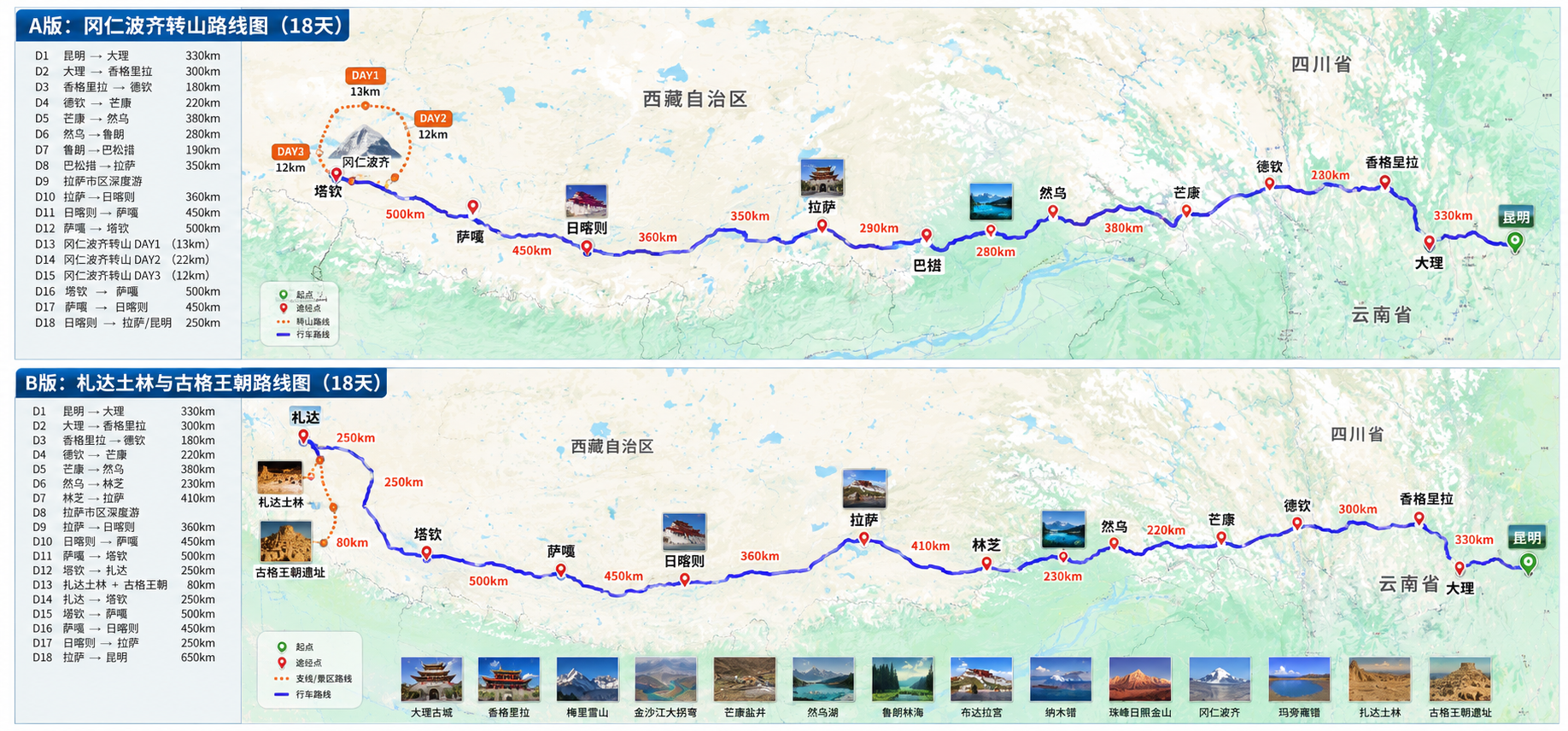
Starting from Kunming, which is like spring all year round, we head west along the Yunnan-Tibet Line, passing through the ancient city of Dali, Shangri-La, Meili Snow Mountain, Ranwu Lake, Lulang Forest Sea and the Holy City of Lhasa, and finally arrive at the spiritual destination in the hearts of countless travelers - Kailash.
The total mileage of Kaishan Mountain Tour is about 4,700 kilometers, and the total mileage of Zada Tulin sightseeing is about 5,300 kilometers.
Whether you choose to go around the mountains in Kailash, or go deep into the Zada Tulin and the Guge Dynasty, this is not only a journey, but also a life ride about faith, freedom and self-challenge.
We are familiar with all high-altitude conditions and road changes along this route. Medical-grade oxygen, professional navigation, and logistical support vehicles are provided throughout the journey to ensure the trip is completed safely and with a controlled pace.
Experience Details
Trip Duration
18 days and 17 nights
Price
Starting from 18,500 yuan/person
May to October Annually
Best Time to Travel
[ Highlights ]Itinerary Highlights Explained
Ride the essence of the Yunnan-Tibet Line in one go
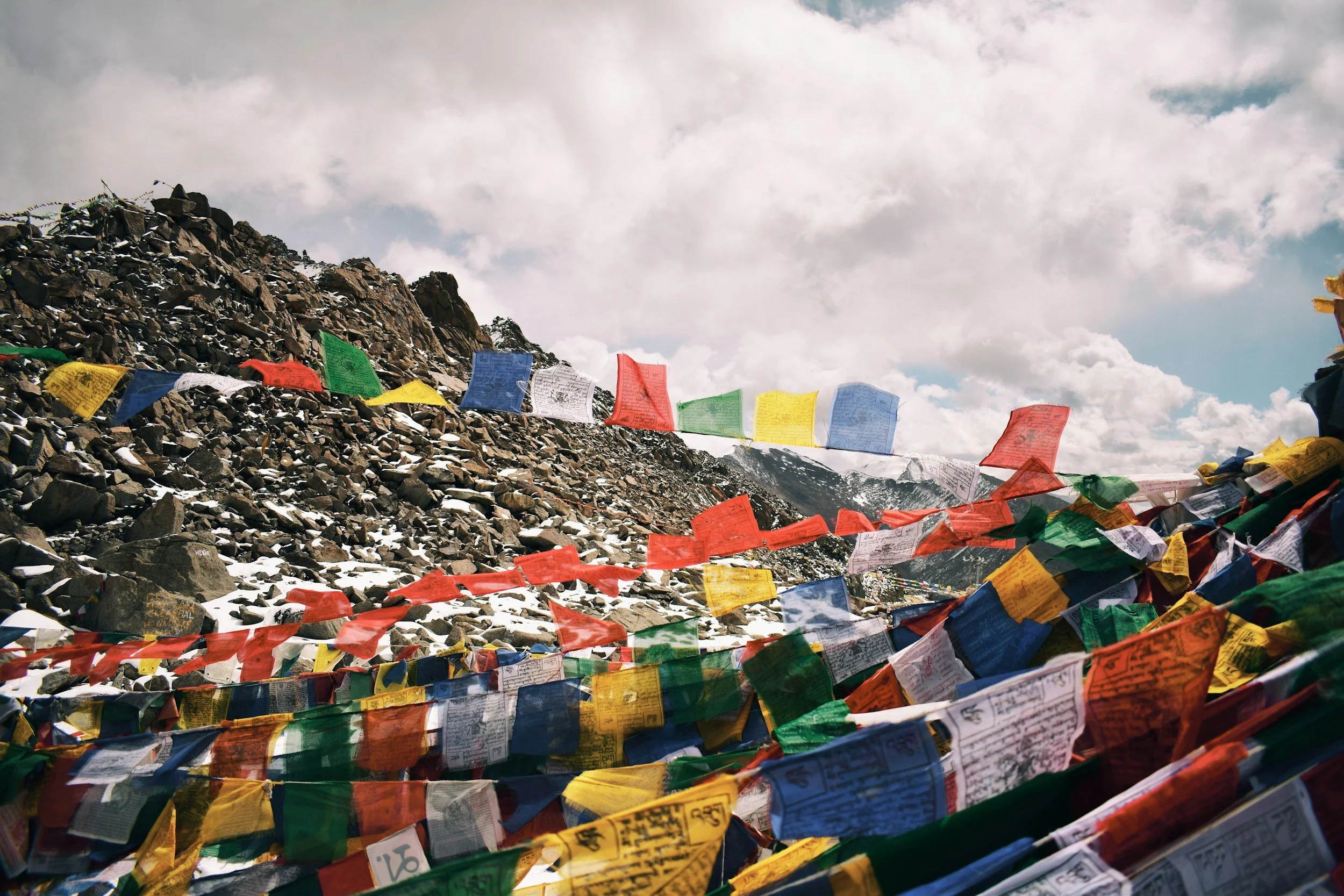
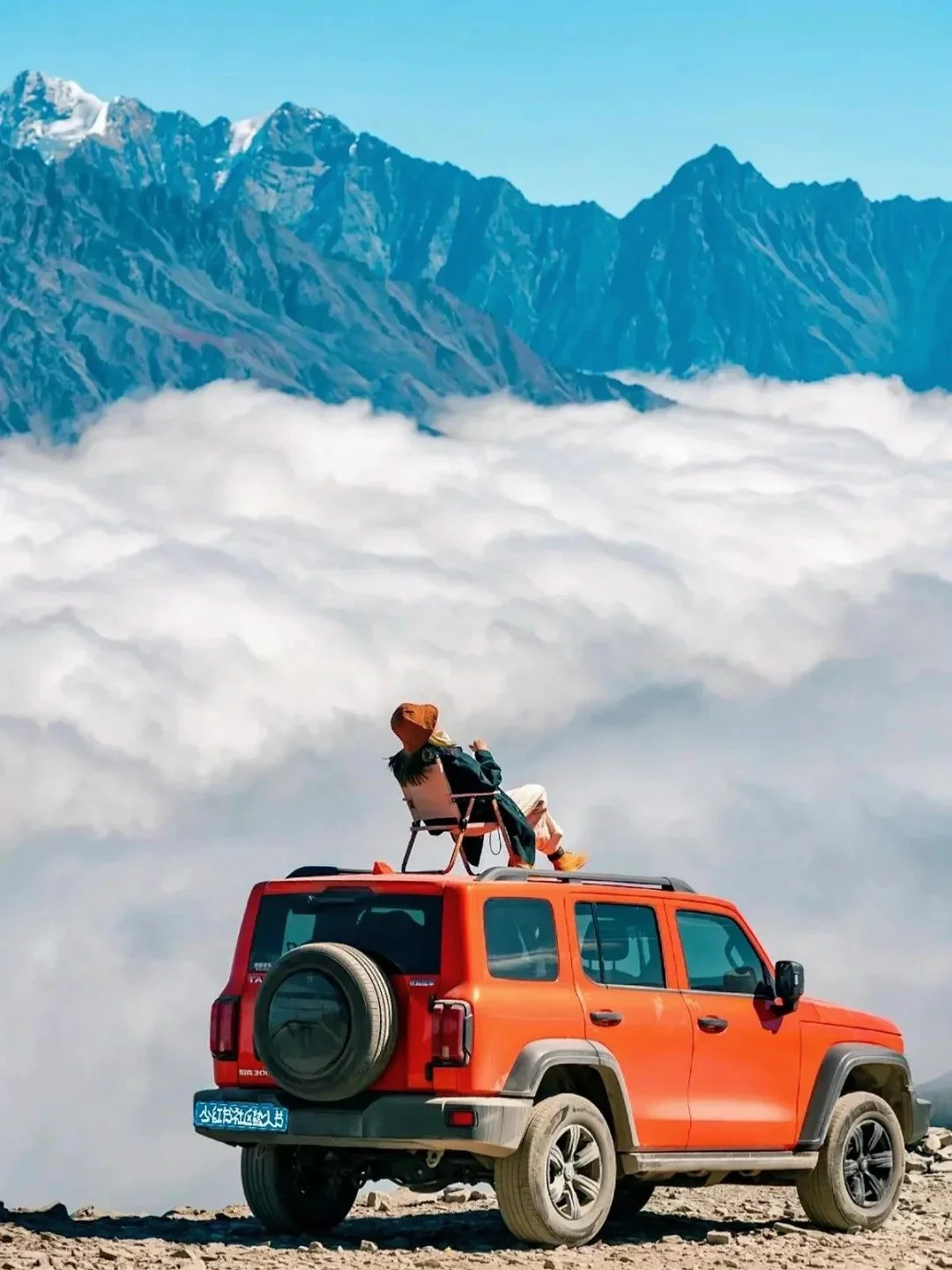
From Yunnan to Tibet, the most classic sections of National Highways 318 and 219 are condensed. Snow-capped mountains, canyons, forests, glaciers, holy lakes and wastelands are constantly switching within 18 days, and every day is like traveling through a different world.
Cycling holy land Kailash
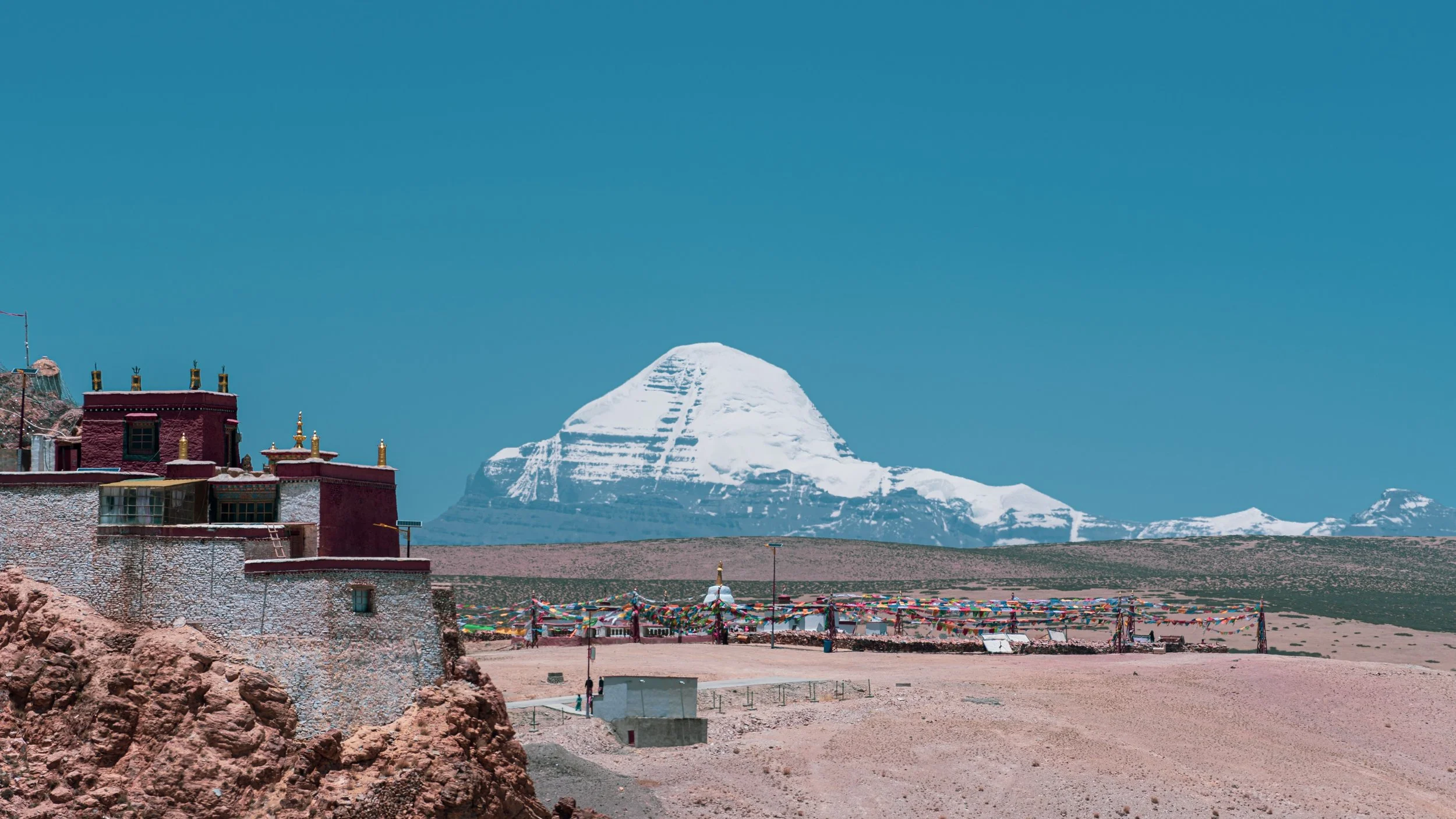
Kailash is known as the "center of the world" and the ultimate destination for countless explorers and pilgrims. Standing at the foot of the sacred mountain and seeing the snow-capped peaks reaching into the clouds, at that moment you will truly understand what "must drive in this life" means.
Professional protection + plateau adaptation route
The whole journey is planned according to the rhythm of high-altitude cycling, and gradually enters the core area of Tibetan areas from low altitude to reduce high-altitude risks. Equipped with a pilot car, oxygen, insurance and professional guides, you can ride with peace of mind even when entering Tibet for the first time.
Free choice of dual-lane gameplay
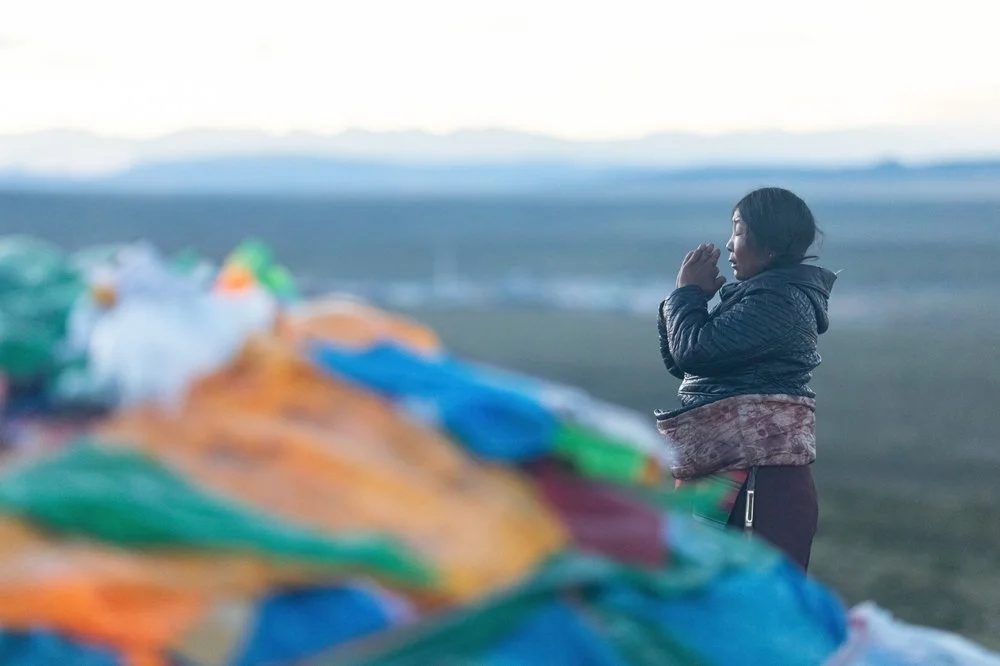
Version A allows you to deeply experience Kailash in three days and truly enter the pilgrim culture; version B goes deep into the Zada Earth Forest and the ruins of the Guge Dynasty to explore the most mysterious and desolate civilization relics in Tibet.
Tour Itinerary
■
Days 1-4: Departing from western Yunnan, the journey officially begins
Day 1 | Kunming → Dali (330km)
Departing from the spring city of Kunming, we officially started our journey westward. Combining highways and mountain roads all the way, we arrived at the romantic ancient city of Dali in the evening. The evening breeze by Erhai Lake is the most comfortable warm-up before riding on the plateau.
Day 2|Dali → Shangri-La (300km)
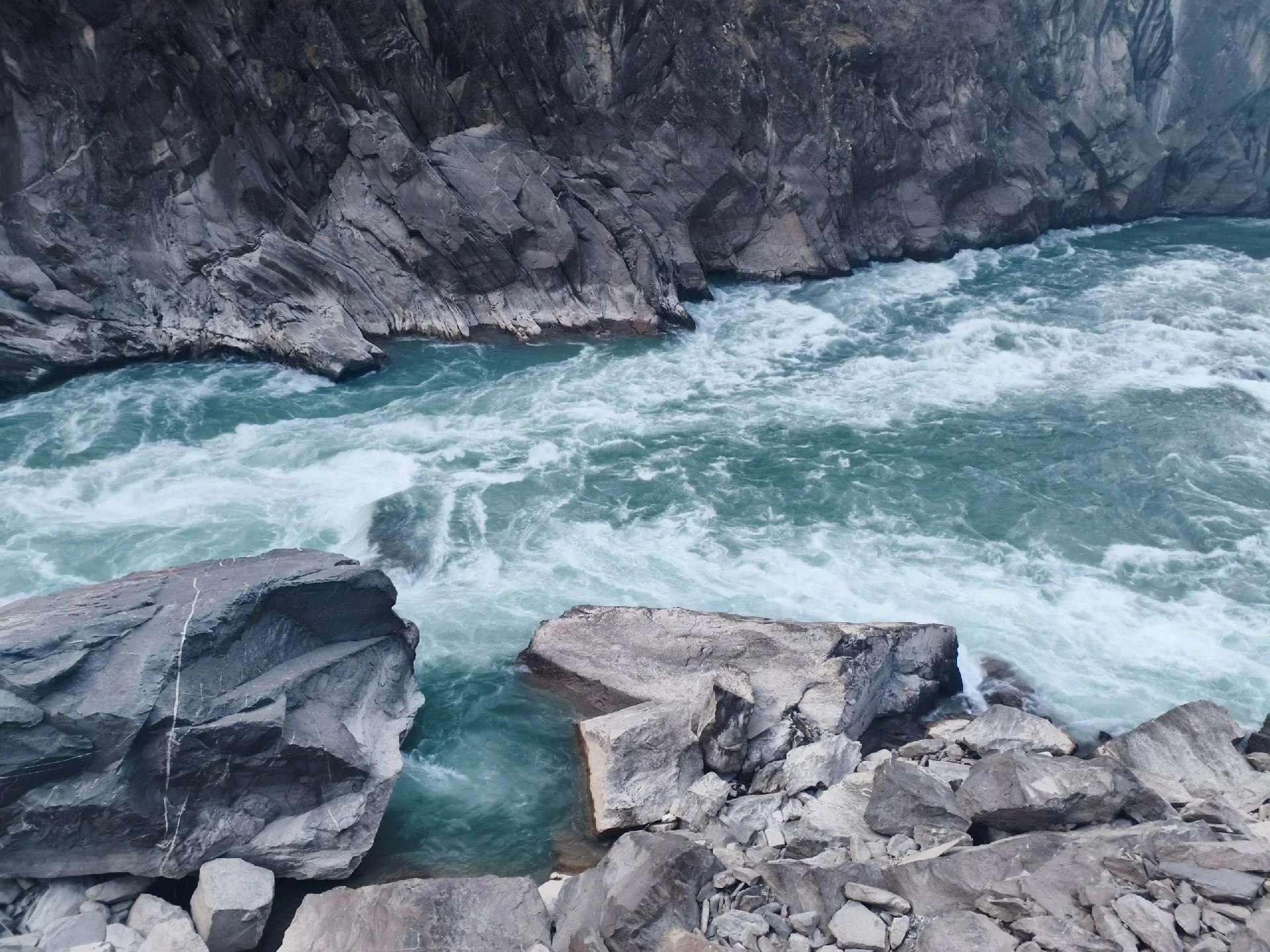
Leaving Cangshan Mountain and Erhai Lake, we gradually enter the style of Tibetan areas. Passing through the Tiger Leaping Gorge area and plateau meadows along the way, the air began to become colder, and snow-capped mountains began to appear frequently in the distance, officially feeling the charm of the Yunnan-Tibet Line.
Day 3|Shangri-La → Deqin (180km)
Today we will usher in a shocking perspective of Meili Snow Mountain. After crossing the Baima Snow Mountain, you enter Deqin. When the weather is clear, you can overlook Kawagbo Peak. This is also one of the classic sections of the Yunnan-Tibet Line that countless explorers love.
Day 4|Deqin → Mangkang (220km)
Officially entered Tibet. Lancang River canyons and red earth landscapes continue to appear, and the mountain roads begin to become wilder. When passing by Yanjing Ancient Town, you can also see the salt field culture that has lasted for thousands of years.
Days 5-8: Travel through Tibet and encounter mountains and lakes
Day 5 | Mangkang → Ranwu (380km)
Climb Dongda Mountain and Yela Mountain to officially challenge the continuous curves of the plateau. After turning 72 of the Nujiang River, we arrived at Ranwu Lake. The blue lake formed by glaciers and snow is particularly shocking under the setting sun.
Day 6 | Ranwu → Lulang (280km)
Along the Palong Zangbo River, the forest gradually becomes denser. Today we will pass through the Tongmai natural danger area and finally arrive at Lulang Forest Sea, known as the "Switzerland of the East".
Day 7|Lulang → Basongcuo (190km)
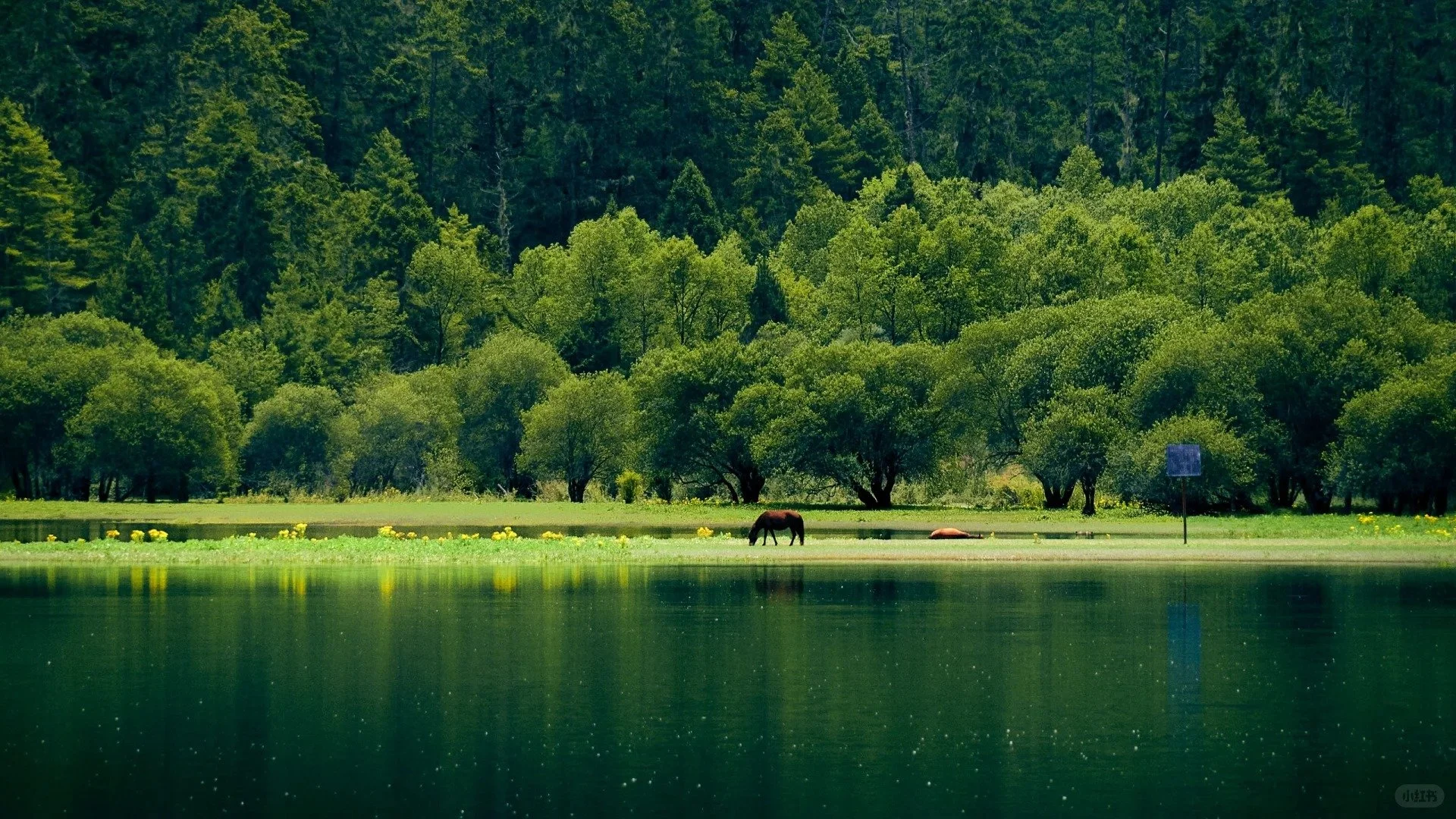
A day of combining plateau forest and lake scenery. The reflection of Basongcuo's green lake and snow-capped mountains has a secret Tibetan atmosphere, and it is also one of the most suitable places in Tibet to slow down.
Day 8|Basongcuo → Lhasa (350km)
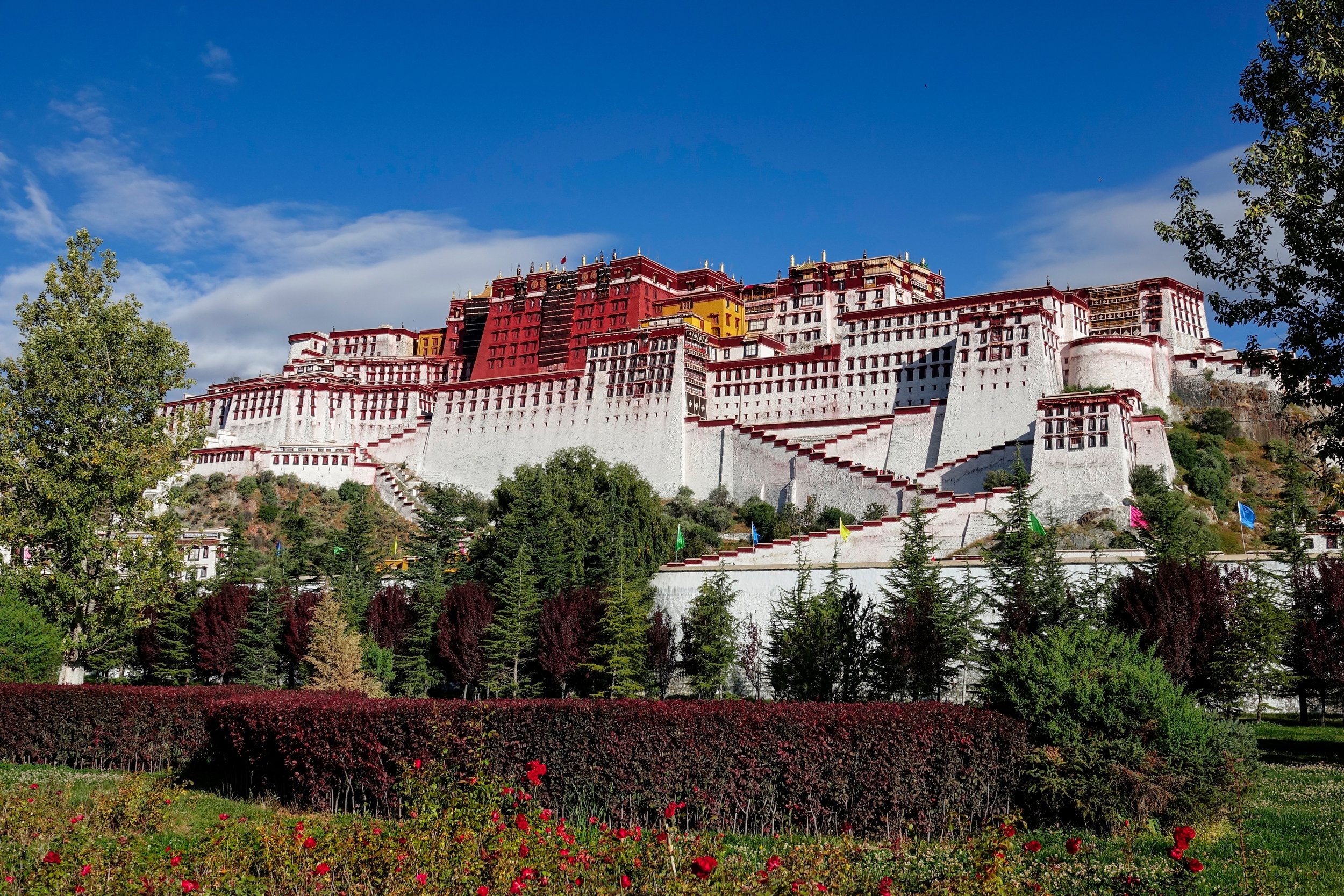
As the altitude gradually stabilized, the holy city of Lhasa finally appeared at the finish line of the journey. When entering Lhasa, many knights will feel a strong sense of accomplishment the moment they see the Potala Palace.
Days 9-12: The Holy City arrives and embarks on the journey to Ali
Day 9|In-depth tour of Lhasa
Slow down today and visit the Potala Palace, Jokhang Temple and Barkhor Street. While adapting to the plateau, I also deeply experienced the Tibetan culture and religious atmosphere to prepare for my subsequent trip to Ali.
Day 10|Lhasa → Shigatse (360km)
Go along the Brahmaputra River and pass through the plateau valley and snow-capped mountain landscape. As an important town in Houzang, Shigatse has both a strong religious atmosphere and a rich atmosphere of Tibetan life.
Day 11|Shigatse → Saga (450km)
Today we officially enter the direction of Alibaba. Both sides of the road gradually turn into wasteland and no-man's land landscapes, with blue sky, snow-capped mountains and Gobi forming a very powerful picture of Tibet.
Day 12|Saga → Tachin (500km)
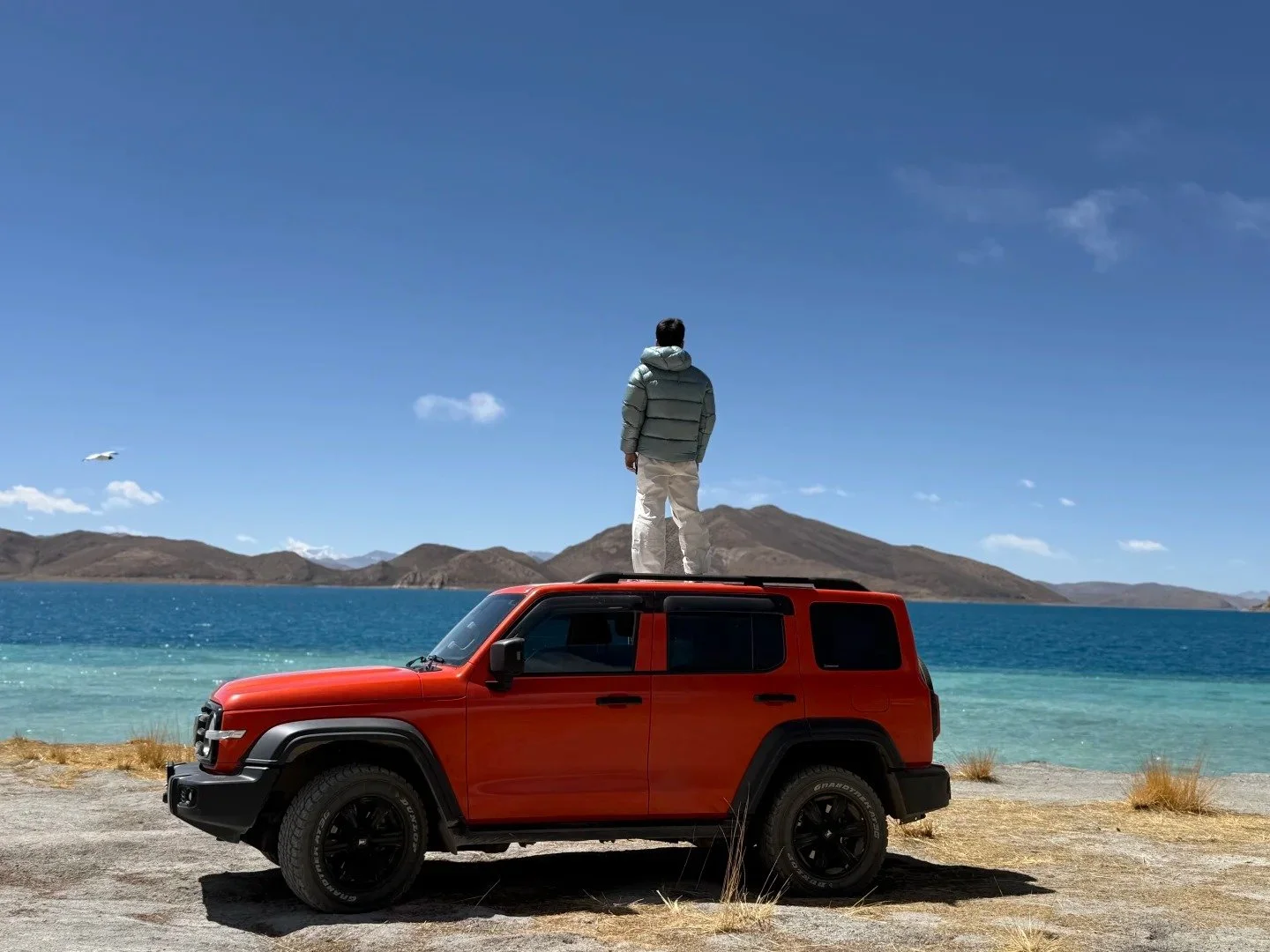
After crossing multiple high-altitude passes, we finally arrived at the foot of Kailash. When you see the outline of the sacred mountain from a distance, the shock and awe cannot be replaced by any photo.
Option A Days 13-15: Kailash Mountain Tour
Day 13 | Day 1 of mountain climbing (13km)
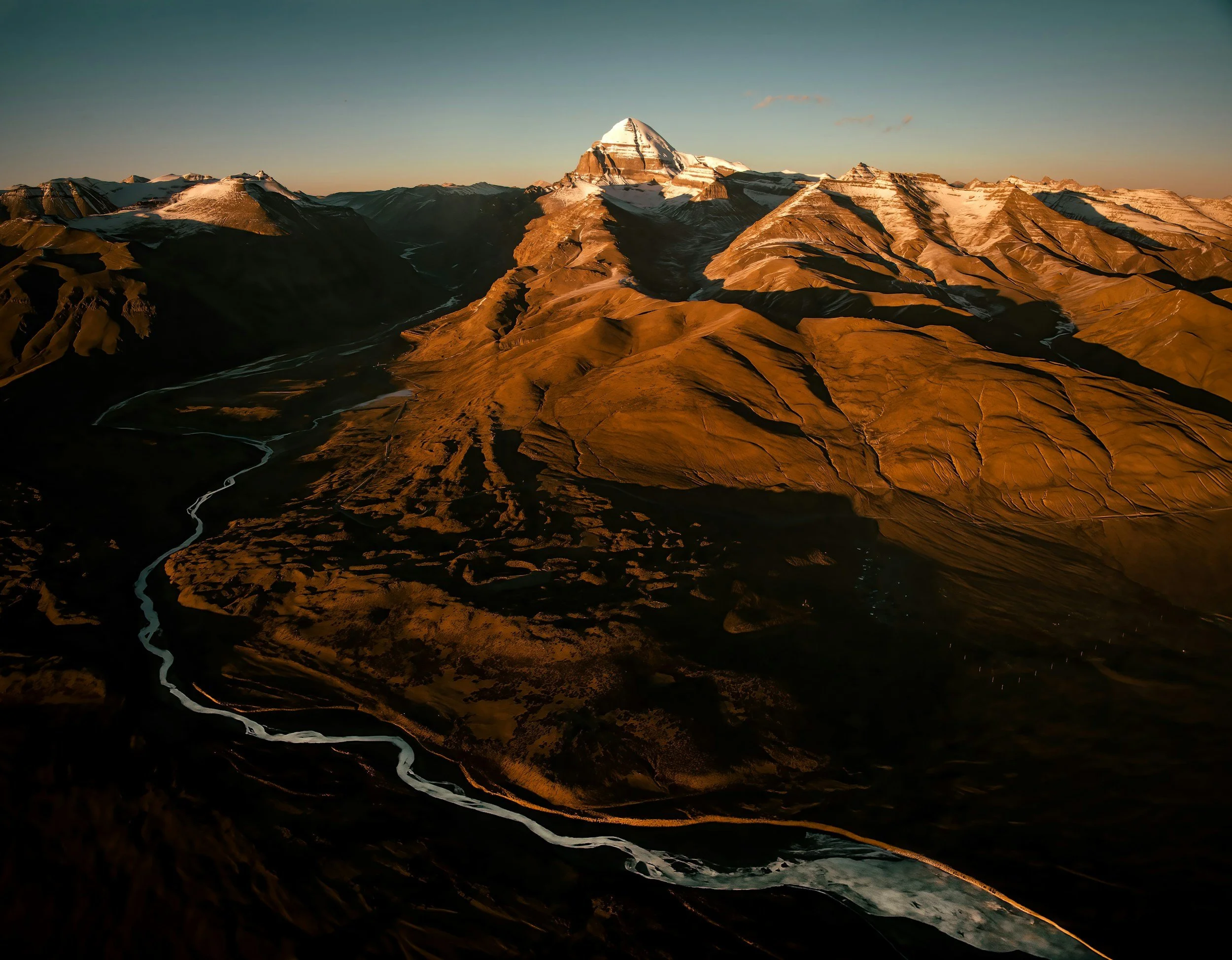
Starting from Taqin, we officially start the mountain tour. The pace was relatively relaxed on the first day. As we walked along the valley, the main summit of Kailash kept appearing in sight.
Day 14 | Day 2 of mountain climbing (22km)
The most difficult day of the whole journey required crossing the Dolmala Pass. Hiking at high altitudes and long distances is challenging, but it is also the closest to Kailash.
Day 15 | Day 3 of mountain climbing (12km)
Gradually walk out of the valley and complete the final pilgrimage. When you return to Tachin, you will feel the satisfaction of truly completing your own challenge.
Option B Days 13-15: Zada Tulin and Guge Dynasty
Day 13|Tachin → Manasarovar → Zada (80km)
After riding around the holy lake Manasarovar Lake, head to Zada. The wastelands, lakes and snow-capped mountains along the way form a very visually impactful Ali scenery.
Day 14|Zada → Guge Dynasty → Tachin (250km)
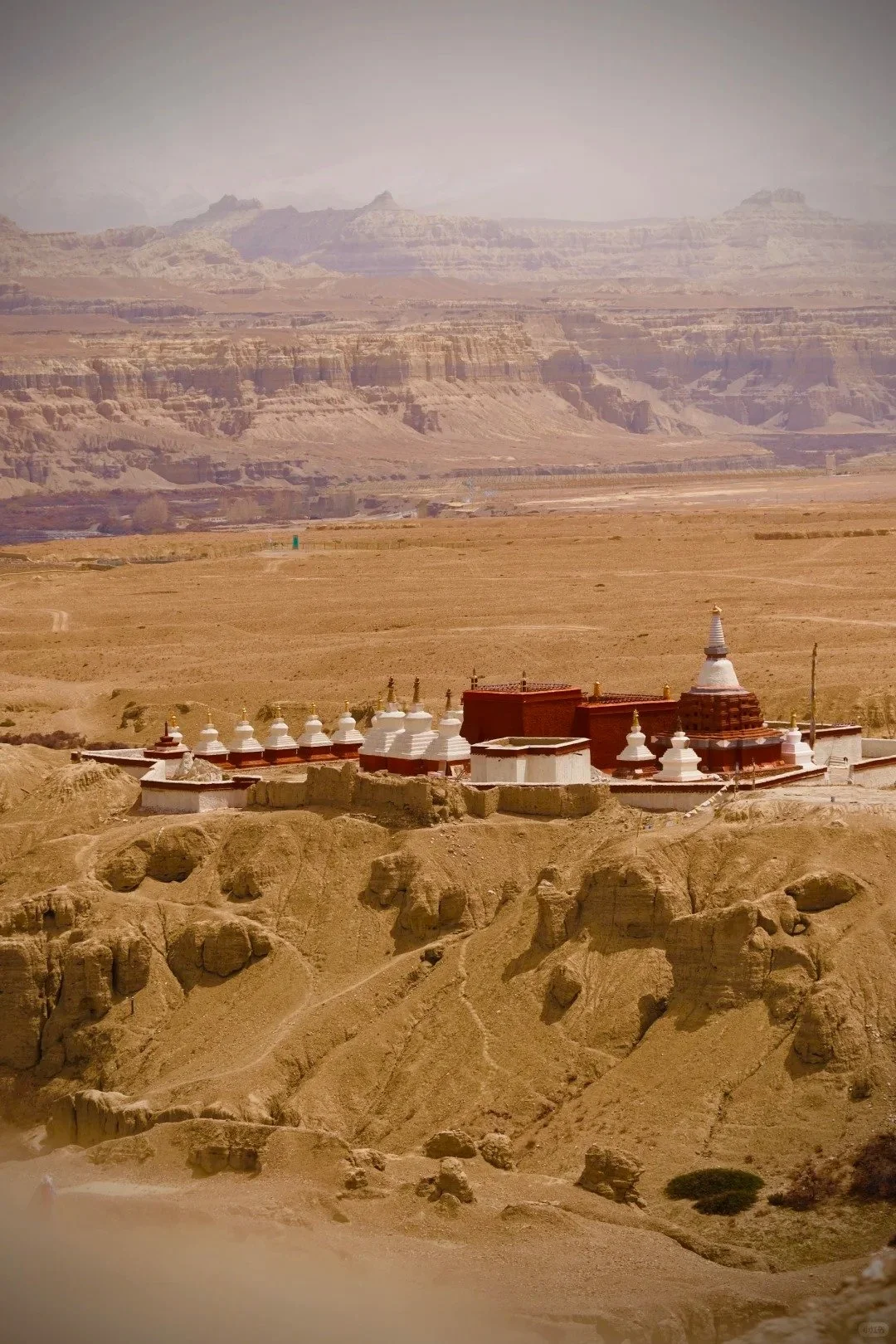
Go deep into the ruins of the Guge Dynasty and explore the lost plateau civilization. The layers of Zada soil forest are like entering another planet.
Day 15|Tachin → Saga (250km)
After leaving the Mount Kailash area and looking back at Kailash, many people will start looking forward to returning to Tibet next time at this moment.
Days 16-18: Near the end, the return trip ends
Day 16|Tachin → Saga (500km)
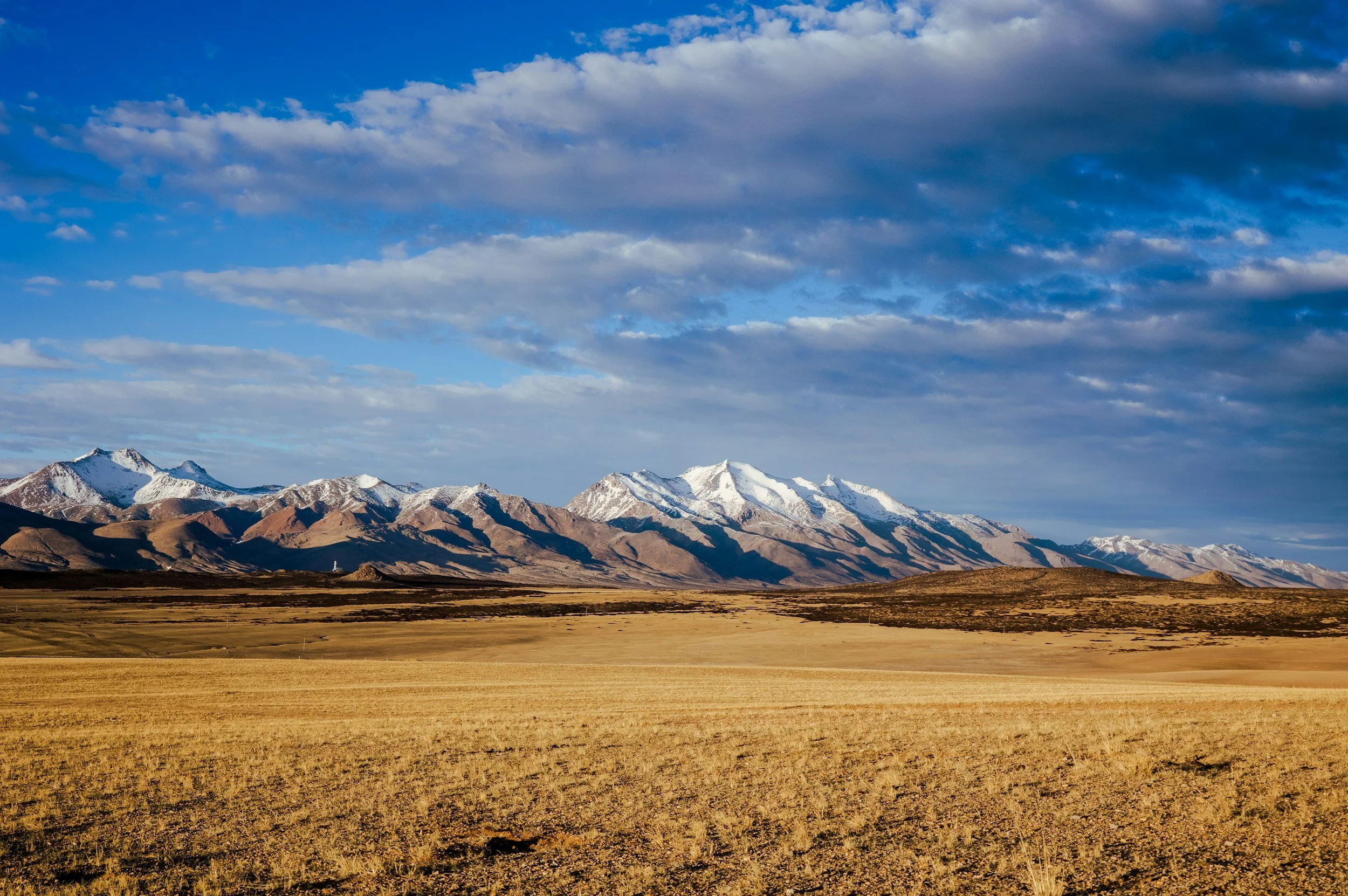
Crossing the vast wilderness again, the sense of loneliness and freedom on the plateau will become particularly strong.
Day 17|Saga → Shigatse (450km)
Returning to the Houzang area, the scenery along the way began to become more familiar, which also meant that the ride was coming to an end.
Day 18|Shigatse → Lhasa Airport (250km)
The last journey. When leaving the plateau, many people will find that what is truly unforgettable is never just the scenery, but themselves along the way.
[ Trip ]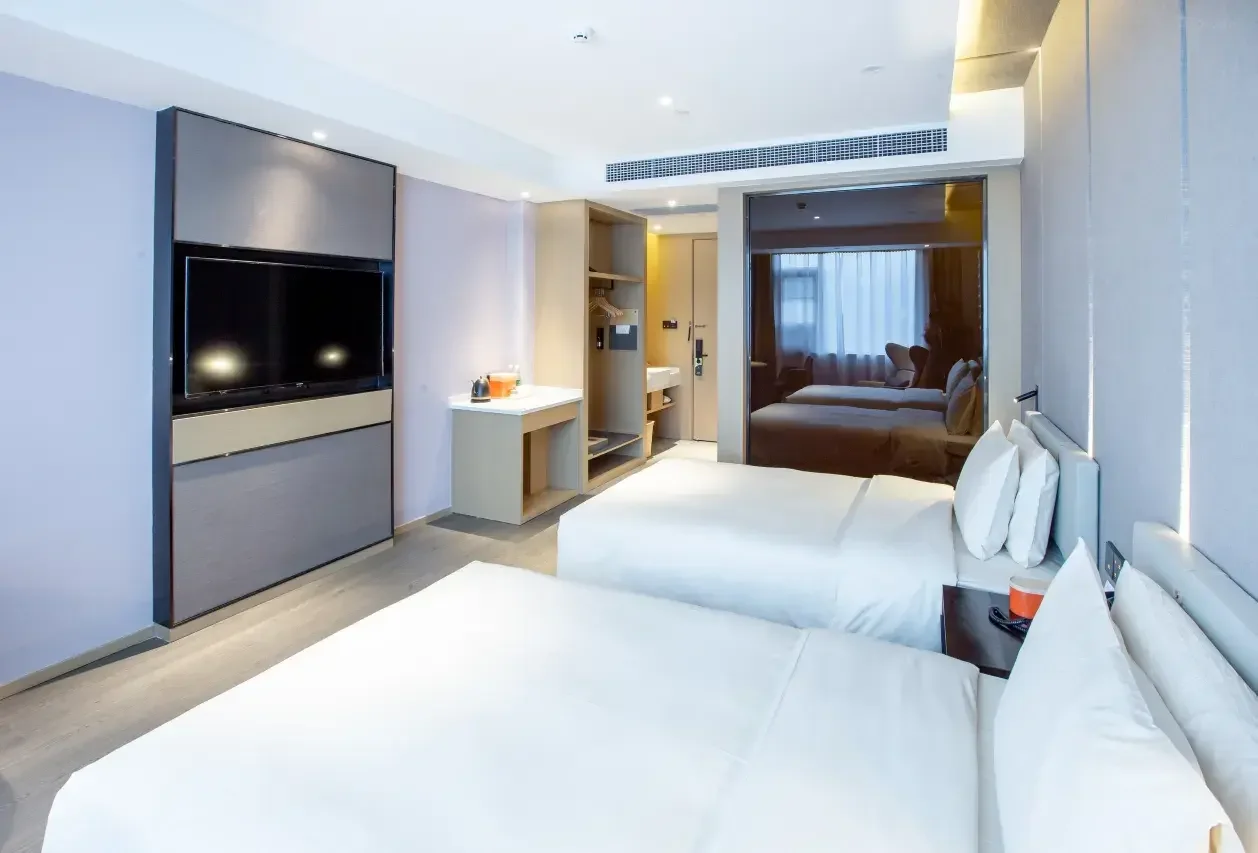
Pricing Details
What's Included
Tibet Entry Permit and all necessary procedures
Bilingual (Chinese & English) Tour Guide
Accommodation Throughout
Breakfasts + Selected Specialty Meals
Travel Insurance + High-Altitude Insurance
Medical Oxygen
Support Vehicle
What's Not Included
Round-trip Transportation to Lhasa
Single Room Supplement
Personal Expenses
Suggested Gratuity ¥50/person/day
Self-Driving Fuel, Tolls, and Parking Fees
Vehicle rental
Attraction Entrance Tickets
[ Travel FAQs ]
Frequently Asked Questions
-
It is recommended to go in spring (April, May, June) or autumn (September, October). During these periods, the weather and road conditions in Western China are generally more stable.
-
Entering and exiting Tibet is very convenient. Currently, there are flights, trains, and multiple overland driving routes available.
-
Currently, Tibet is open to global tourists. However, when planning your trip, you need to be aware of the relevant restrictions: for example, you must apply for a Tibet Travel Permit in advance, and must participate in a fixed itinerary arranged by a travel agency; Tibet currently does not support independent travel.
-
The cost includes SUV or motorcycle rental, hotel accommodation, licensed tour guide services, first entry tickets to attractions, and all administrative permit processing fees.
-
You need to prepare your passport, a driver's license valid for more than 6 months, and the registration documents for your vehicle or motorcycle. We will be responsible for assisting you with all legal procedures required for driving in China.
-
Yes, we do. We will arrange pick-up and drop-off services for your arrival and departure days, covering transfers between the hotel and the airport or station.
-
Yes, you can. After an in-depth discussion with our travel consultant, we will arrange a customized China road trip itinerary for you based on your specific needs.
Related Trips
Chengdu-Lhasa 10 days
Chongqing - Mount Everest 15 Days
Chengdu-Lhasa-Mount Everest 14 days