15-Day Trip from Chongqing to Lhasa to Everest Base Camp
[ General Overview ]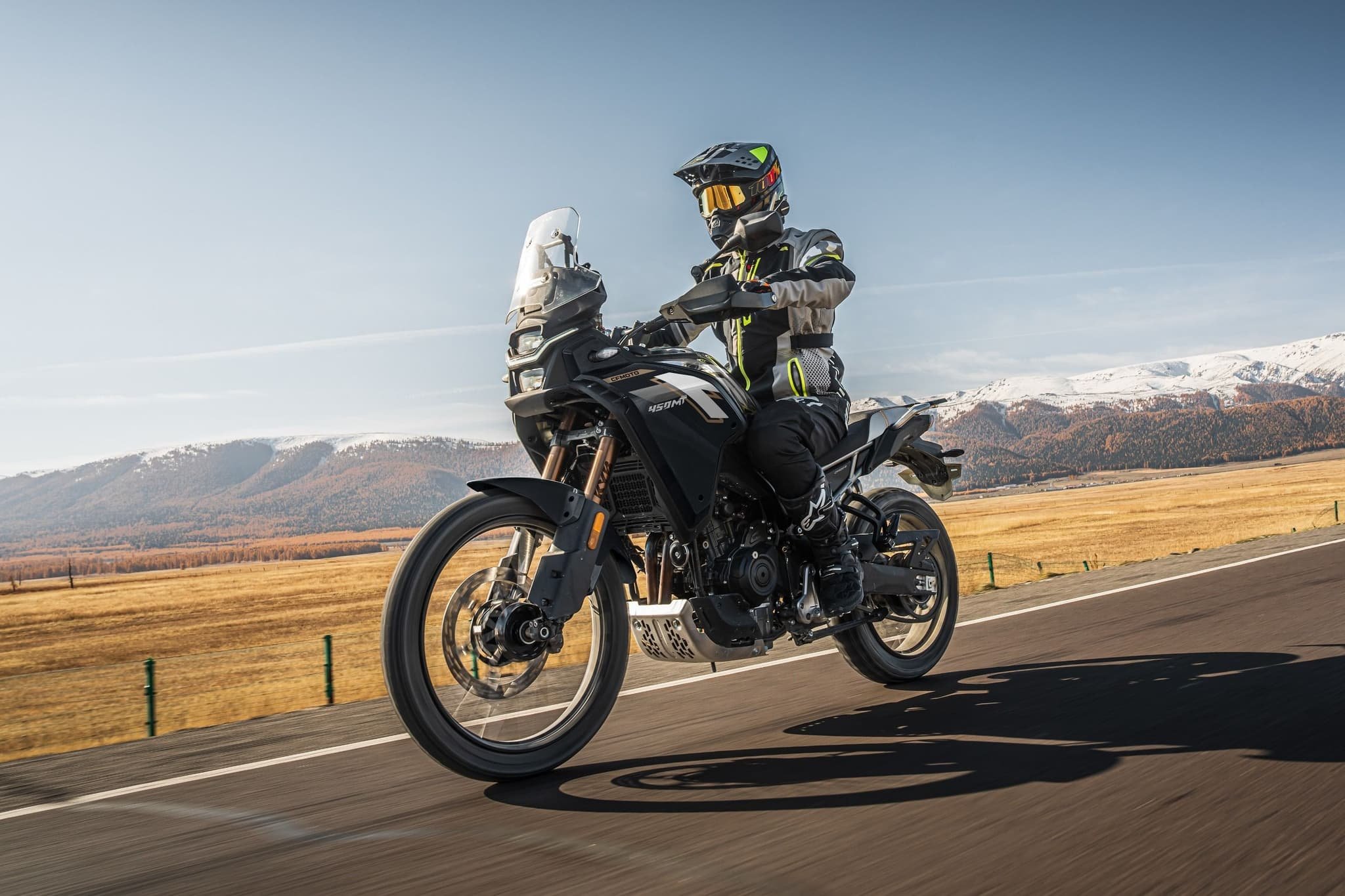
This is a long-distance high-altitude road trip designed specifically for self-drive adventurers.
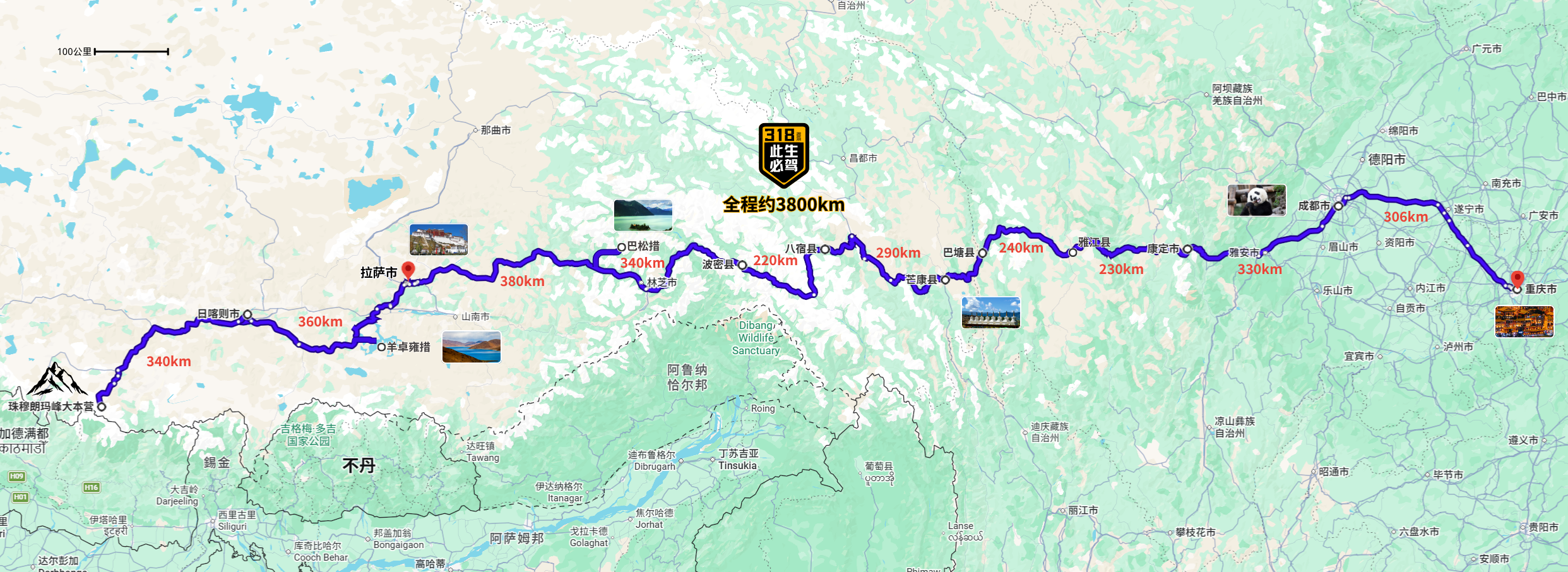
The entire journey is approximately 3,800 kilometers. Starting from Chongqing, the route follows the Southern Sichuan-Tibet Highway (G318) deep into the heart of Tibet. After arriving in Lhasa, the journey continues to Everest Base Camp, then returns to Lhasa along the Yarlung Tsangpo River Valley.
The route gradually transitions from the plains to the plateau, with elevation increasing step by step; the cycling pace is strictly scheduled according to the principles of high-altitude acclimatization. Support vehicles, medical oxygen, and professional guides are provided throughout the entire journey to ensure riding safety.
This isn't a sightseeing tour—it's a true road adventure.
Details of the Experience
Every year from May through October
Best Time to Visit
Duration of the Trip
15 days, 14 nights
Price
Starting at 13,400 yuan per person (minimum group size: 6 people)
[ Highlights ]Highlights of the Itinerary
Across Vast Mountains and Rivers
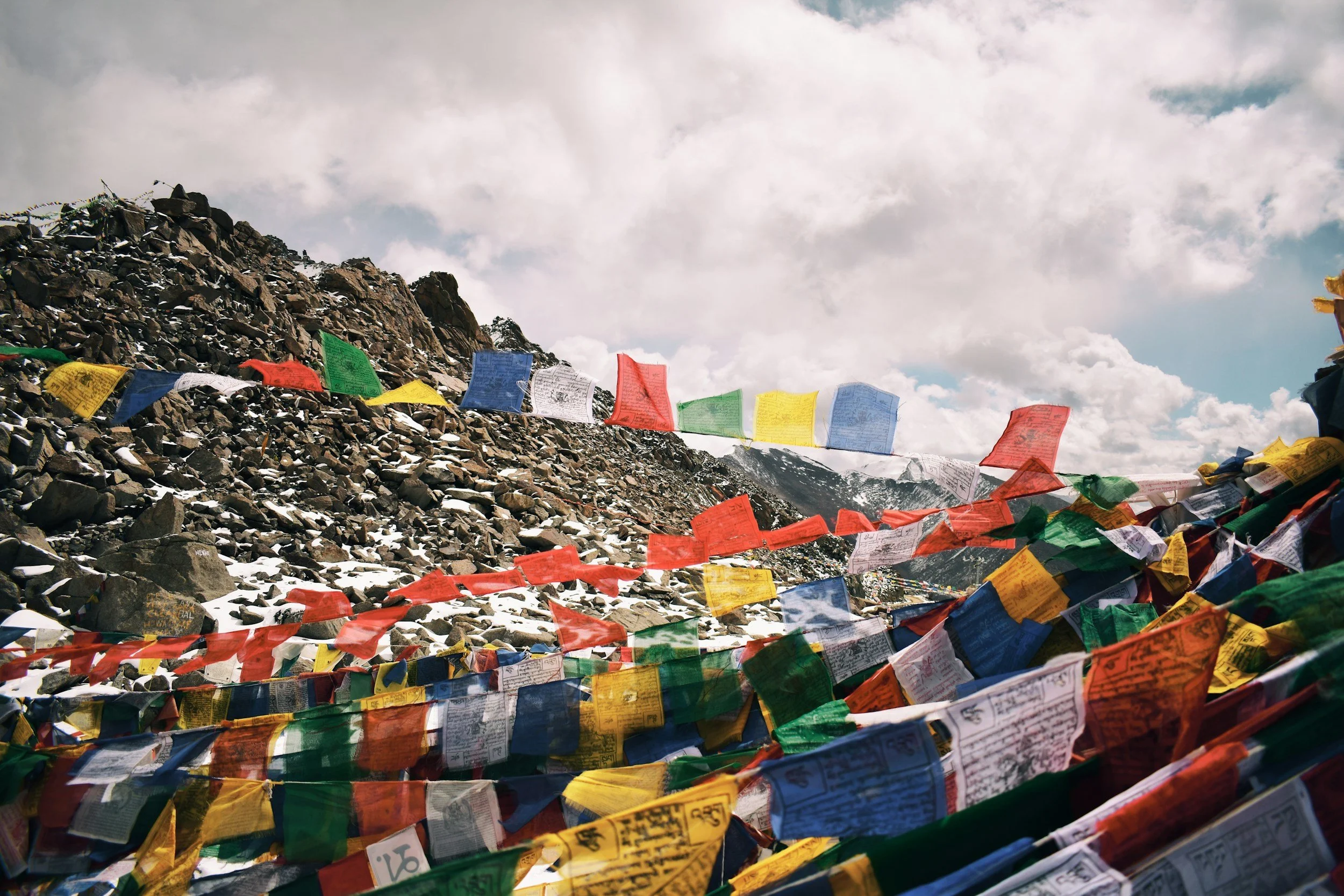
Setting out from the arid mountain city of Chongqing, the journey heads westward into the Qinghai-Tibet Plateau. During this adventure, you’ll witness firsthand the visual transition from basins, high mountains, and gorges to the plateau, and experience a vertical journey through time and space from a subtropical to a frigid climate.
Conquering the Perils of the Heavenly Road
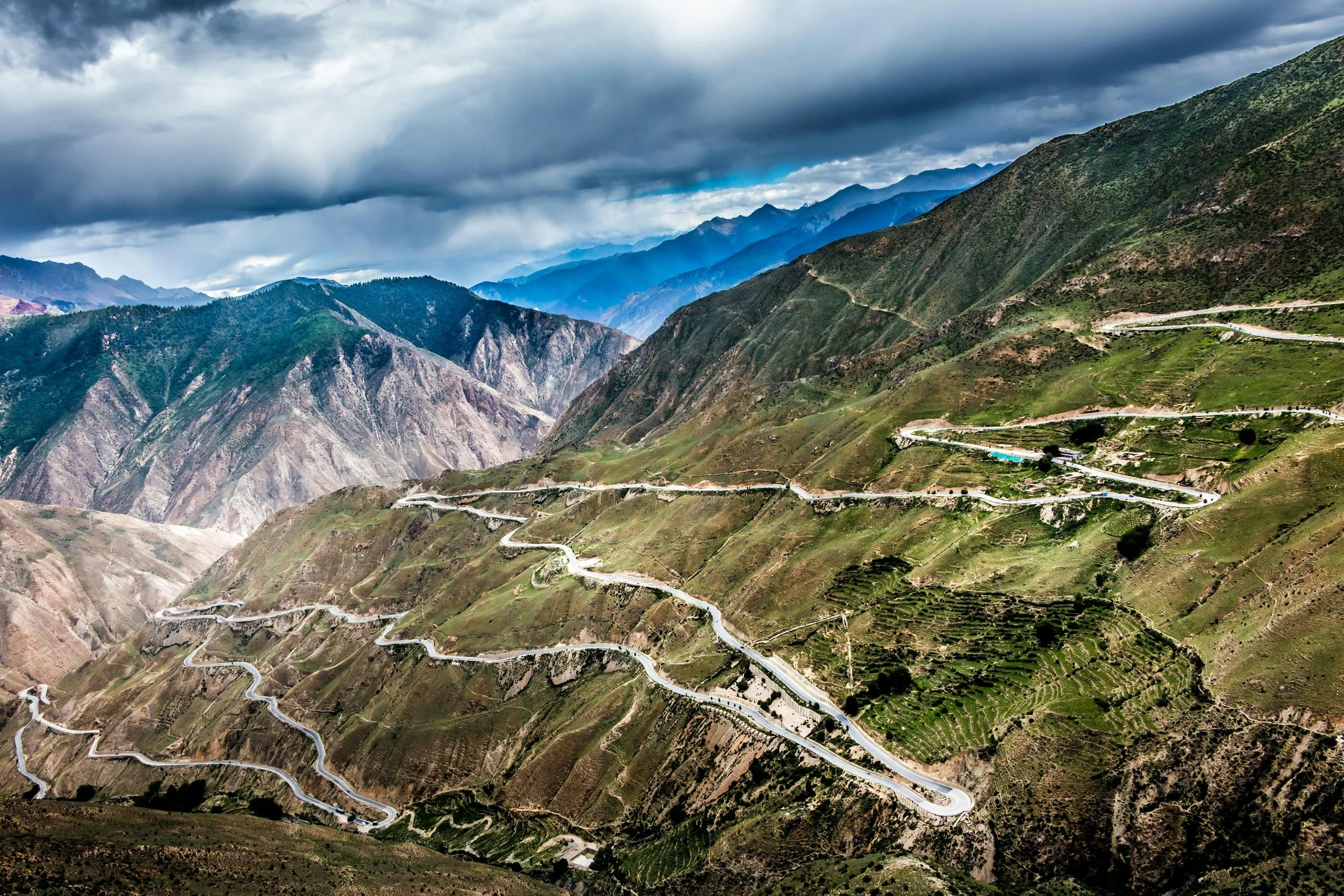
Crossing several 5,000-meter-high mountain passes—including Zheduo Mountain and Dongda Mountain—and taking on the extreme hairpin turns of the “72 Bends of the Nujiang River” head-on. This is the ultimate real-world test of heavy motorcycle riding skills, as well as a rite of passage for adventurers entering the true world of Tibet.
A Tour of Earth's Hidden Gems
Along the way, take in the tranquility of Lake Ranwu, the sky-blue hues of the Midui Glacier, and the emerald green of the Lulang Forest. In Lhasa, the sacred city nestled among these unending natural wonders, fulfill your long-cherished dream of traveling to Tibet via the Sichuan-Tibet Highway (G318) and experience a profound harmony between nature and culture.
Reaching the Summit of the World
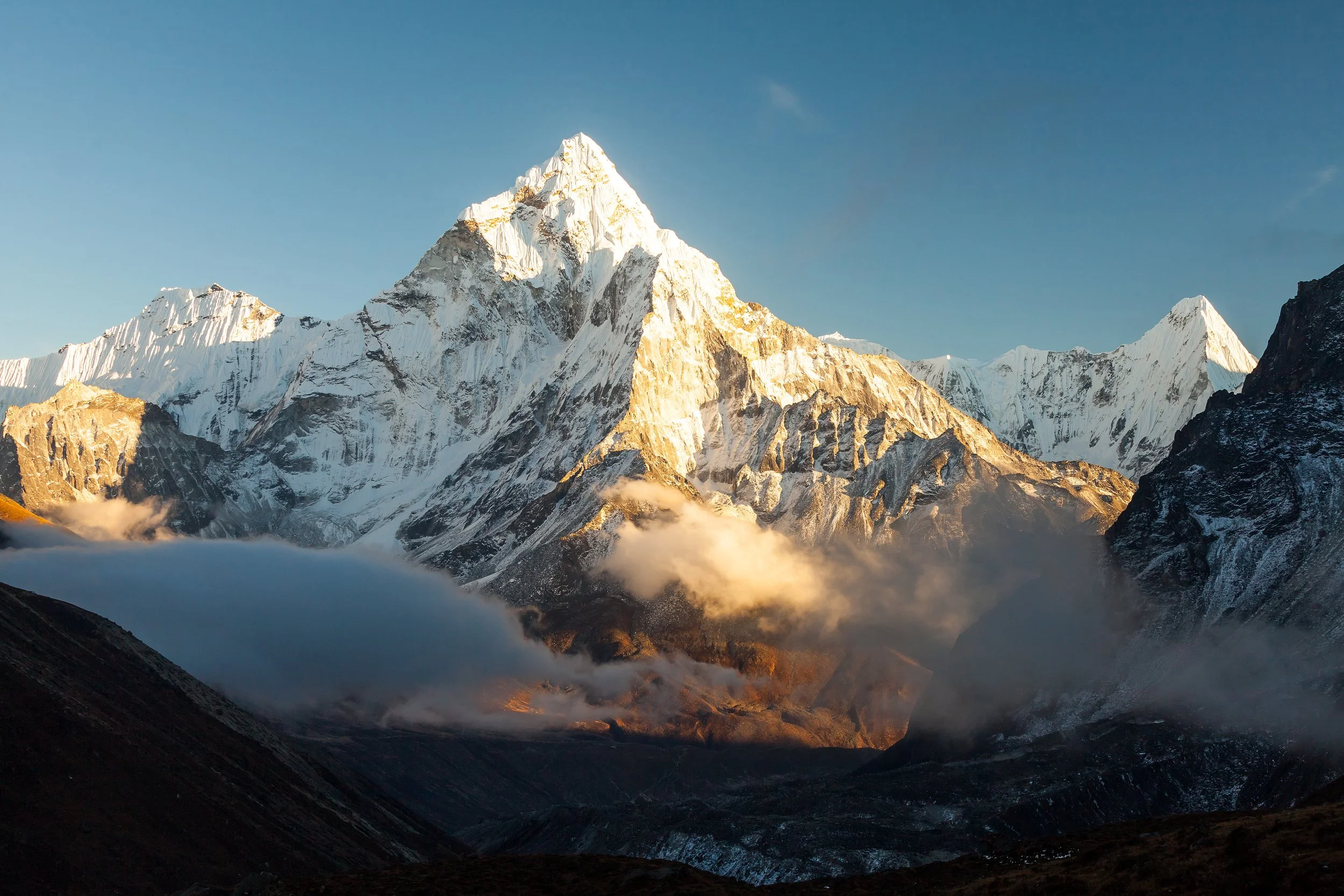
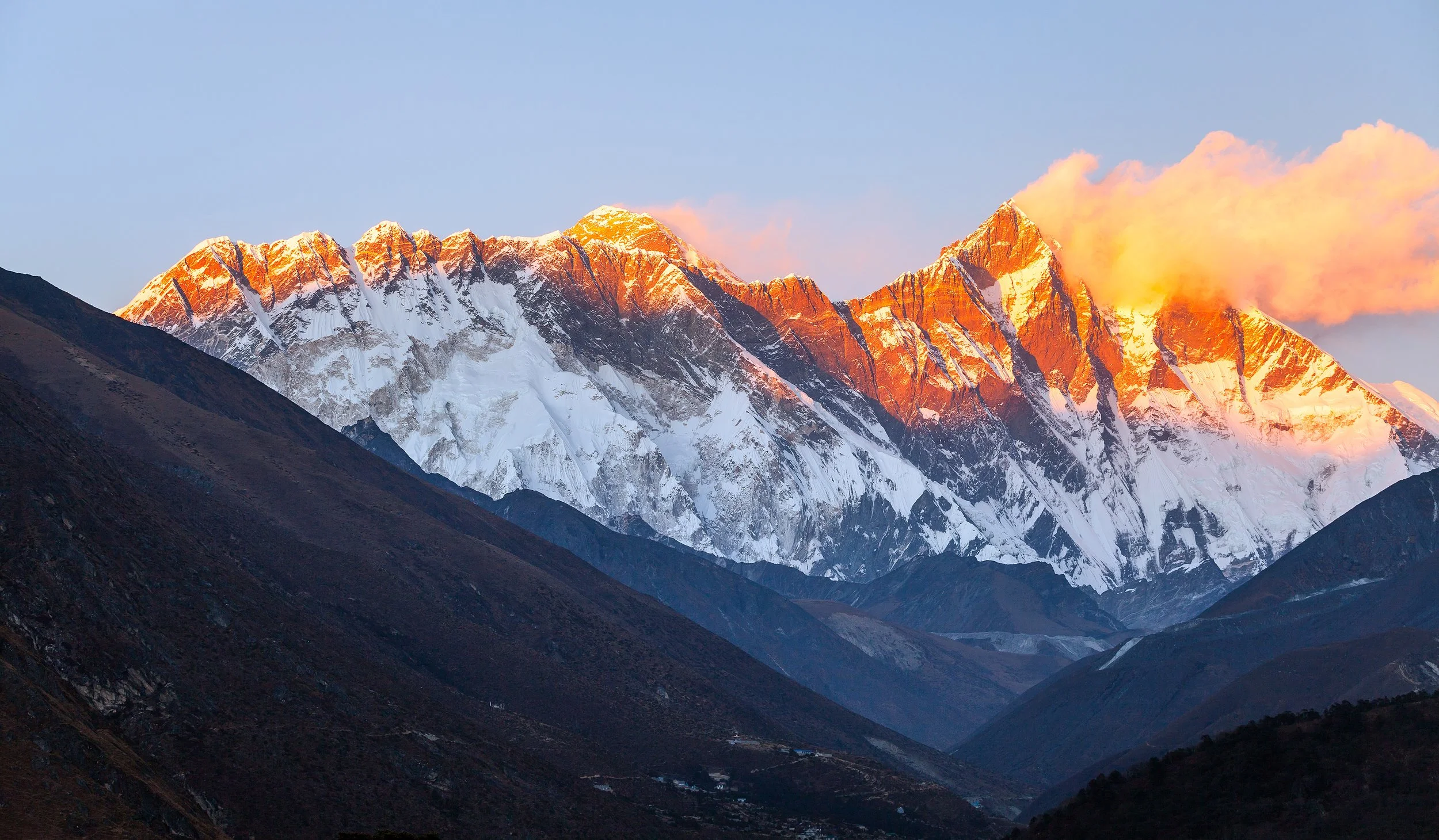
Crossing Lhasa and pressing on to Everest Base Camp. Engaging in a close encounter with the world’s highest peak on the high-altitude wilderness at 5,200 meters, and witnessing the awe-inspiring moment of “the sun shining on the golden mountain” while waiting for the dawn’s glow at Rongbuk Monastery—this marks the highest honor in my self-driving journey.
Travel Itinerary
■
Days 1–5: Departure from the Mountain City and Acclimatization to the Plateau
Day 1 | Meet in Chongqing
Arrived in Chongqing, processed the paperwork for a temporary Chinese driver's license and vehicle registration. Checked the equipment and got ready to set off.
Day 2 | Chongqing → Chengdu (360 km)
The drive focused primarily on high-speed cruising, with the main goal of allowing the driver to get accustomed to the vehicle’s handling and acceleration response. Upon arriving in Chengdu, we performed the final vehicle adjustments, enjoyed one last meal featuring the region’s culinary delights, and stocked up on energy for the high-altitude journey set to begin the next day.
Day 3 | Chengdu → Kangding (330 km)
After crossing Zheduo Mountain (4,298 m), we officially left the plains and entered the Tibetan plateau. The road quickly plunged from the plains into a high-mountain gorge, and the temperature dropped sharply. We took a group photo in front of the iconic “Kangding Love Song” stone monument at the mountain pass, officially bidding farewell to the plains and entering Tibetan territory.
Day 4 | Kangding → Yajiang (230 km)
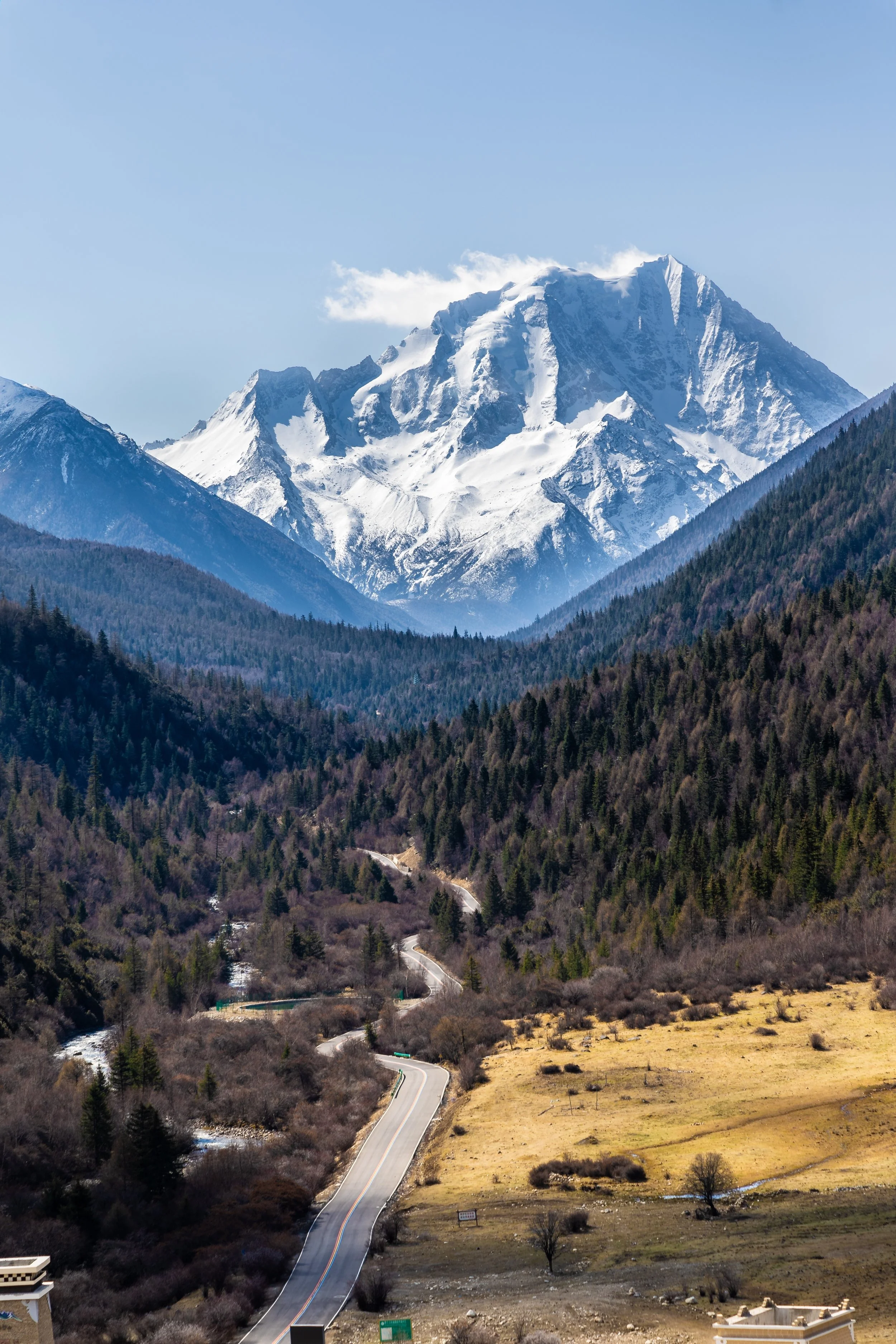
Ride across the Tagong Grasslands and gaze out at the Yala Snow Mountain as you embark on a true high-altitude cycling experience. The landscape opens up along this stretch, so you can try picking up the pace for short stretches in safe areas. Spend the night in Yajiang, where the altitude begins to cause your body to make slight adjustments.
Day 5 | Yajiang → Cuopu Gorge Entrance (240 km)
Drive through the “Eighteen Bends of the Sky Road” and experience the thrill of a road trip on its continuous hairpin turns. Upon arriving in Litang, the “Highest City in the World,” look down from the Eternal Youth Kor Temple onto this city, situated at an altitude of over 4,000 meters, where the clouds seem close enough to touch.
Days 6–10: Crossing the Hengduan Mountains and the Holy City
Day 6 | Cuo Pu Gorge Entrance → Mangkang (200 km)
Crossing the Jinsha River Bridge, we officially entered Tibet. The road became more rugged and winding, with red rock formations and the rushing river on either side, and the air grew dry and crisp.
Day 7 | Mangkon → Baxiu (290 km)
Take on the famous "72 Bends of the Nujiang River," where the road plunges rapidly over a very short distance in elevation—a grueling test of your braking system and gear control. Wind your way through the rugged, jagged Nujiang Grand Canyon and experience the untamed power of the Hengduan Mountains.
Day 8 | Baxiu → Bomi (220 km)
Cycle along Lake Ranwu, where the water lies as still as emeralds. Then head to the Midui Glacier, winding your way through primeval forests and blue ice. In Bomi, the elevation drops to around 2,700 meters; with its lush vegetation and plentiful oxygen, it’s the perfect spot on the itinerary to recharge your energy.
Day 9 | Bomi → Basongco (340 km)
Travel through the Lulang Forest and gaze upon Mount Namcha Barwa from the Seji La Pass. The scenery here bears a striking resemblance to Switzerland, with lush, verdant forests. In the evening, arrive at Basong Co, the sacred lake of the Red Sect, check into a lakeside lodging, and experience the tranquility of the deep mountains, forests, and lakes.
Day 10 | Basongco Lake → Lhasa (380 km)
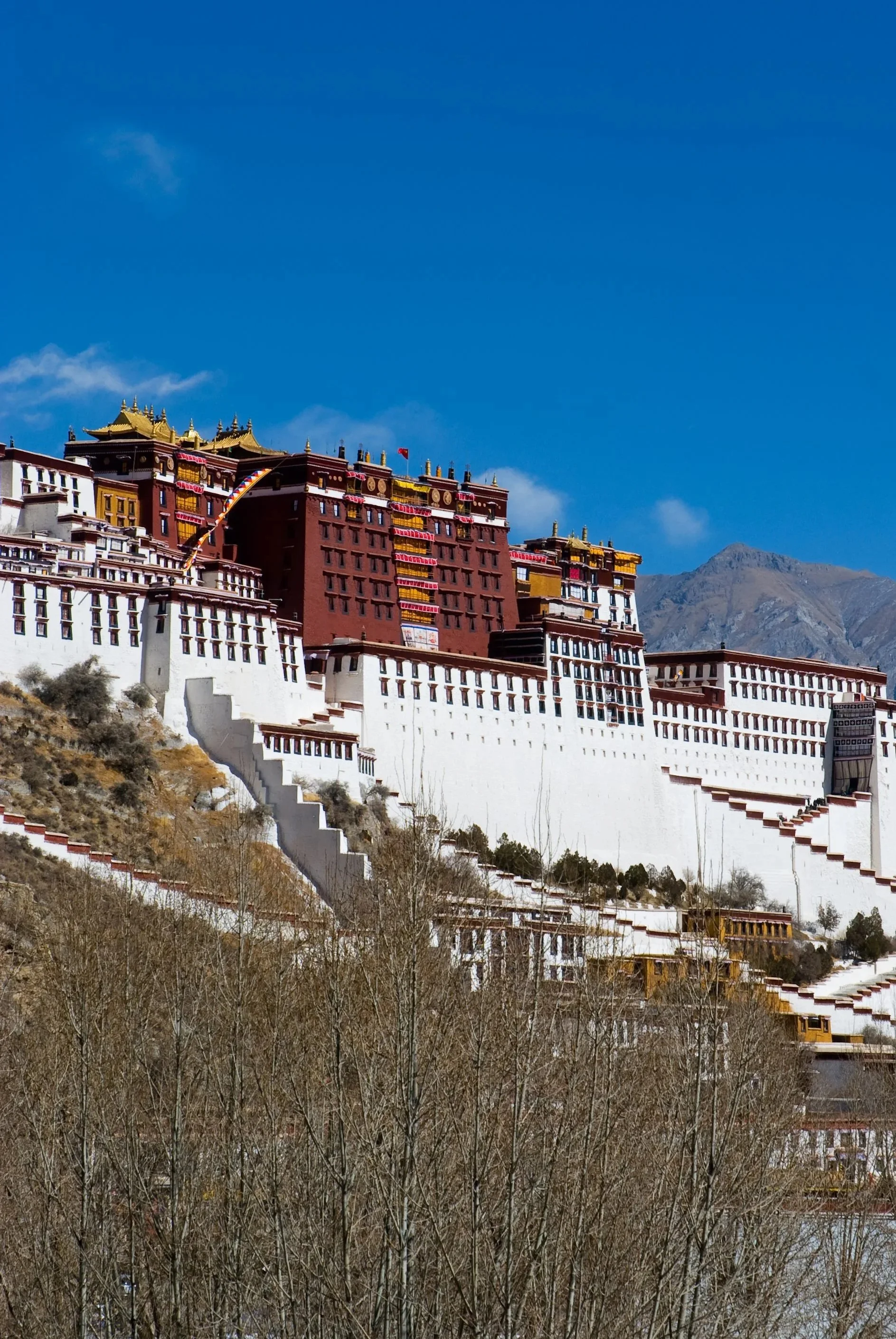
Ride along the Linla Expressway, known as “China’s Most Beautiful Highway.” Head west along the Lhasa River. As the setting sun illuminates the golden roof of the Potala Palace, you’ll ride your motorcycle slowly into Lhasa, having conquered the Sichuan-Tibet Highway—a moment when your sense of accomplishment reaches its peak.
Days 11–13: Cultural Exploration and Rest in Lhasa, and the Trek to Mount Everest
Day 11 | Rest Day in Lhasa
Vehicle maintenance, experiencing urban culture, visiting the Potala Palace and the Jokhang Temple, strolling along Barkhor Street among the crowds of pilgrims, and listening to the locals’ casual chatter in a sweet tea house—all of which wash away the dust and fatigue.
Day 12 | Lhasa → Shigatse (360 km)
Cross the Gangbala Pass and take in the coral-colored Yamdrok Lake. Then get an up-close view of the Karola Glacier, close enough to touch. Along this stretch, the blue of the lake alternates with the white of the glacier, creating a stunning visual spectacle.
Day 13 | Shigatse → Everest Base Camp (340 km)
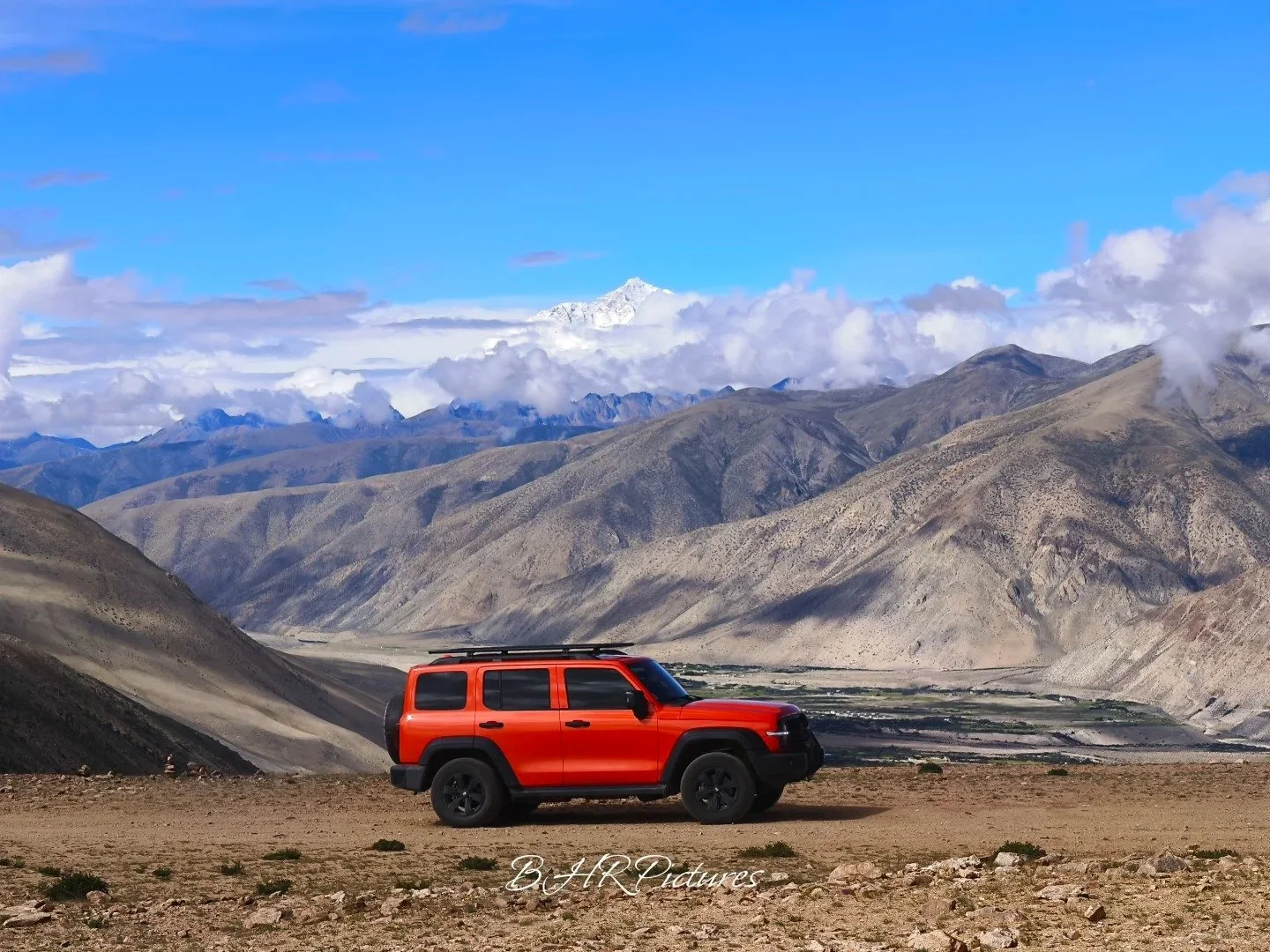
Crossing the Gaurla Pass, you’ll witness a sight found nowhere else in the world: a “lineup of snow-capped peaks”—five 8,000-meter-class sacred mountains visible at once. After navigating the hundred hairpin turns of the Gaurla Pass, you’ll arrive at Everest Base Camp at an elevation of 5,200 meters. Spend the night near Rongbuk Monastery, gazing up at Mount Everest under the starry sky.
Days 14–15: The Golden Summit of Mount Everest and a Perfect Itinerary
Day 14 | Mount Everest → Shigatse (360 km)
Early in the morning at Rongbuk Monastery, we waited for the sun to illuminate Mount Everest’s “Golden Summit.” After capturing heroic photos in front of the world’s highest peak, we made our way back to Shigatse, crossing mountains and valleys along the way.
Day 15 | Shigatse → Lhasa (266 km)
We returned to Lhasa along the Yarlung Tsangpo River valley, bringing our trip to a successful conclusion.
[ Journey ]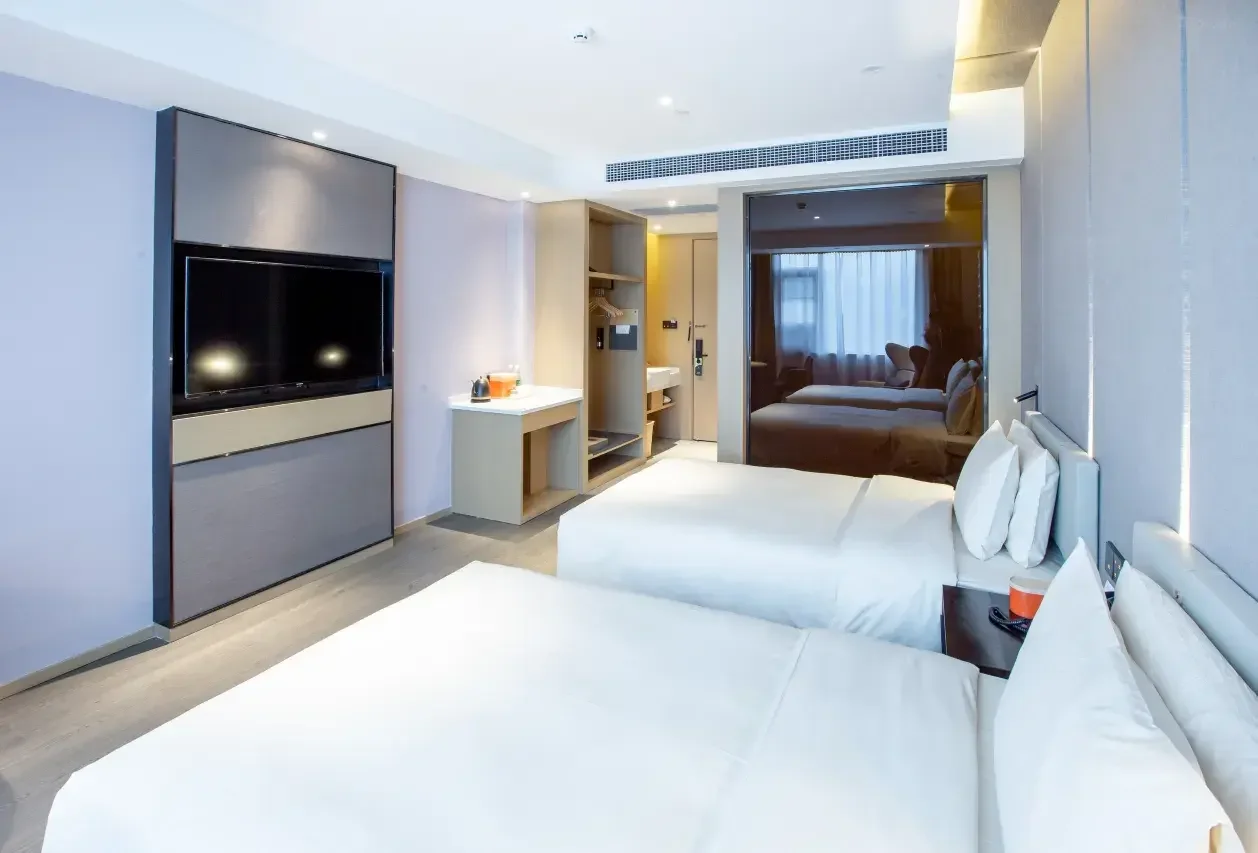
Fee Information
Letter of Entry into Tibet and All Necessary Procedures
Chinese-English Tour Guides
Accommodations for the Entire Trip
Breakfast + Selected Specialty Meals
Travel Insurance + High-Altitude Insurance
Medical Oxygen
Support Vehicle
RESO Intercom
What's Included
Transportation to and from Lhasa
Single Room Supplement
Personal Expenditures
Suggested tip: ¥50 per person per day
Toll fees, parking fees
Vehicle/Motocycle Rental Fee (Inclued Fuel)
Attraction Tickets
The fee does not include
[ Travel Questions ]
Frequently Asked Questions
-
We recommend traveling in the spring (April, May, June) or fall (September, October). During these months, the weather and road conditions in western China are generally more stable.
-
Traveling to and from Tibet is very convenient. Currently, there are flights, trains, and several overland routes to choose from.
-
Tibet is currently open to international tourists. However, when planning your trip, you should be aware of the relevant restrictions: for example, you must apply for an Entry Permit to Tibet in advance, and you must participate in a fixed itinerary arranged by a travel agency; Tibet does not currently allow independent travel.
-
The price includes off-road vehicle or motorcycle rental, hotel accommodations, licensed tour guide services, first-entry admission tickets to attractions, and all administrative permit and licensing procedures.
-
You will need to provide your passport, a driver’s license valid for at least 6 months, and the registration documents for your car or motorcycle. We will assist you with all the legal formalities required to drive in China.
-
Yes. We will arrange transportation for you on the day of your arrival and departure, providing round-trip service between the hotel and the airport or train station.
-
Sure. After a detailed consultation with our travel advisors, we’ll design a customized road trip itinerary in China based on your specific needs.
Related Trips
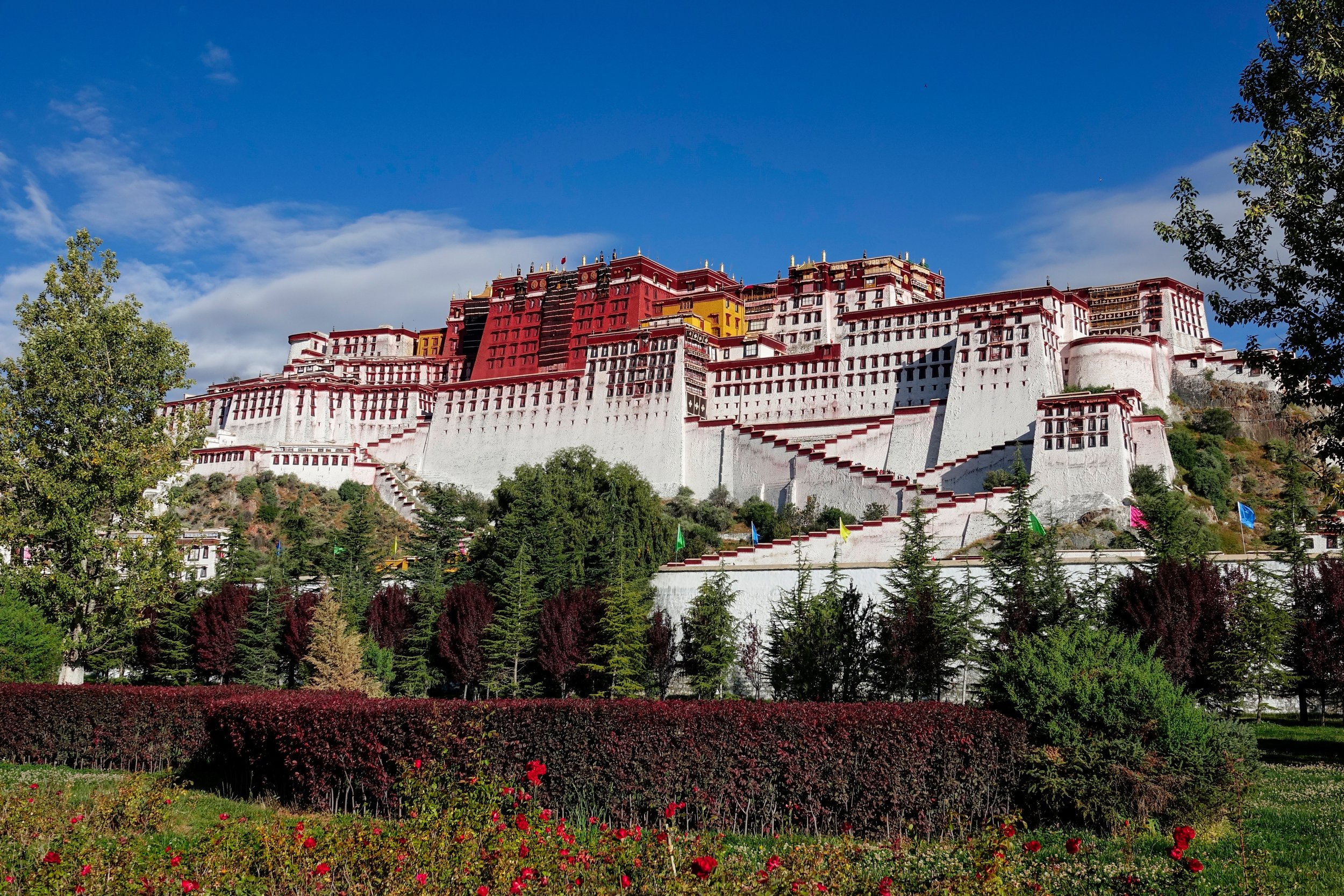
Chengdu to Lhasa: 12 Days
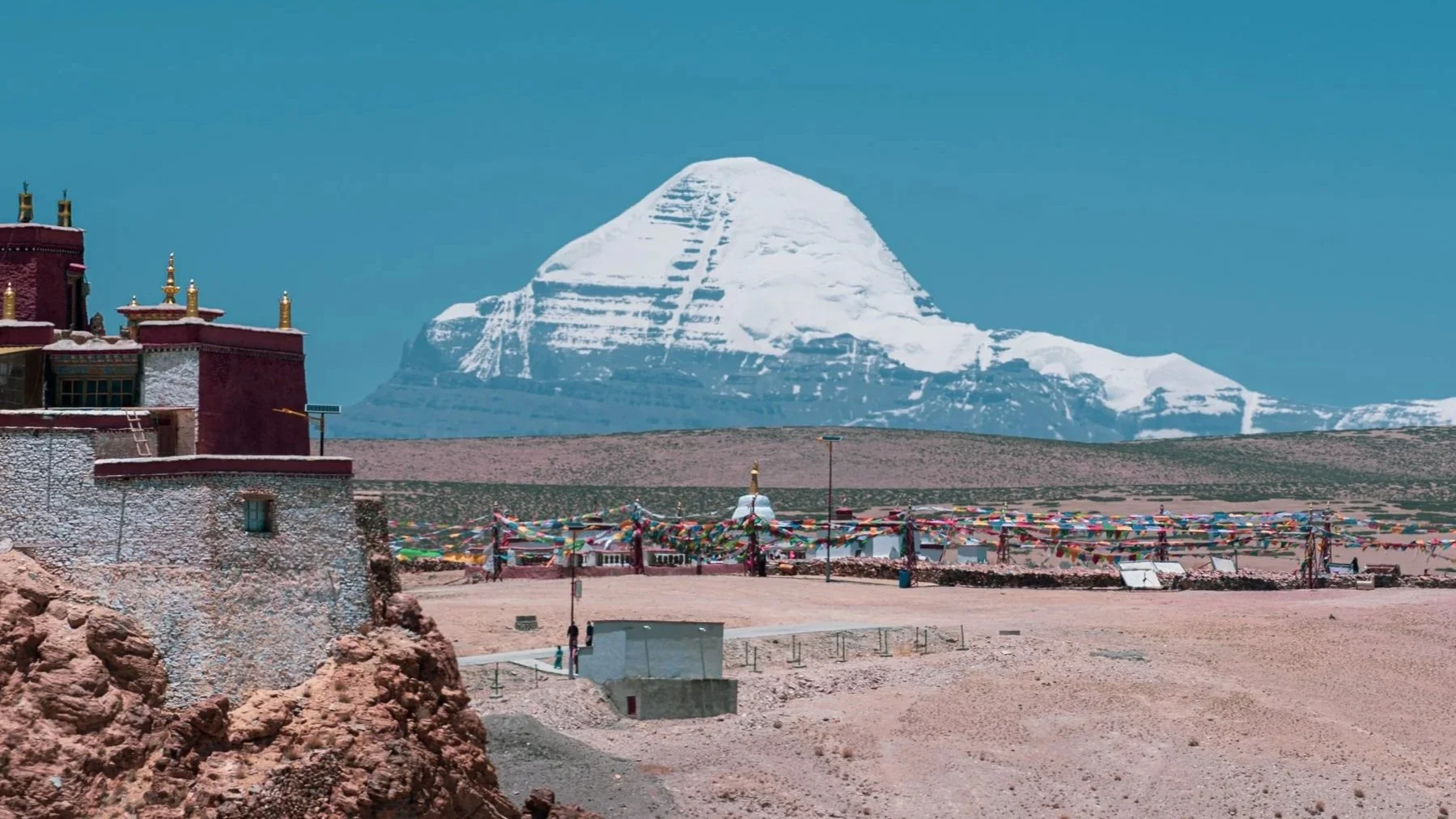
Lhasa–Kailash, 11 Days
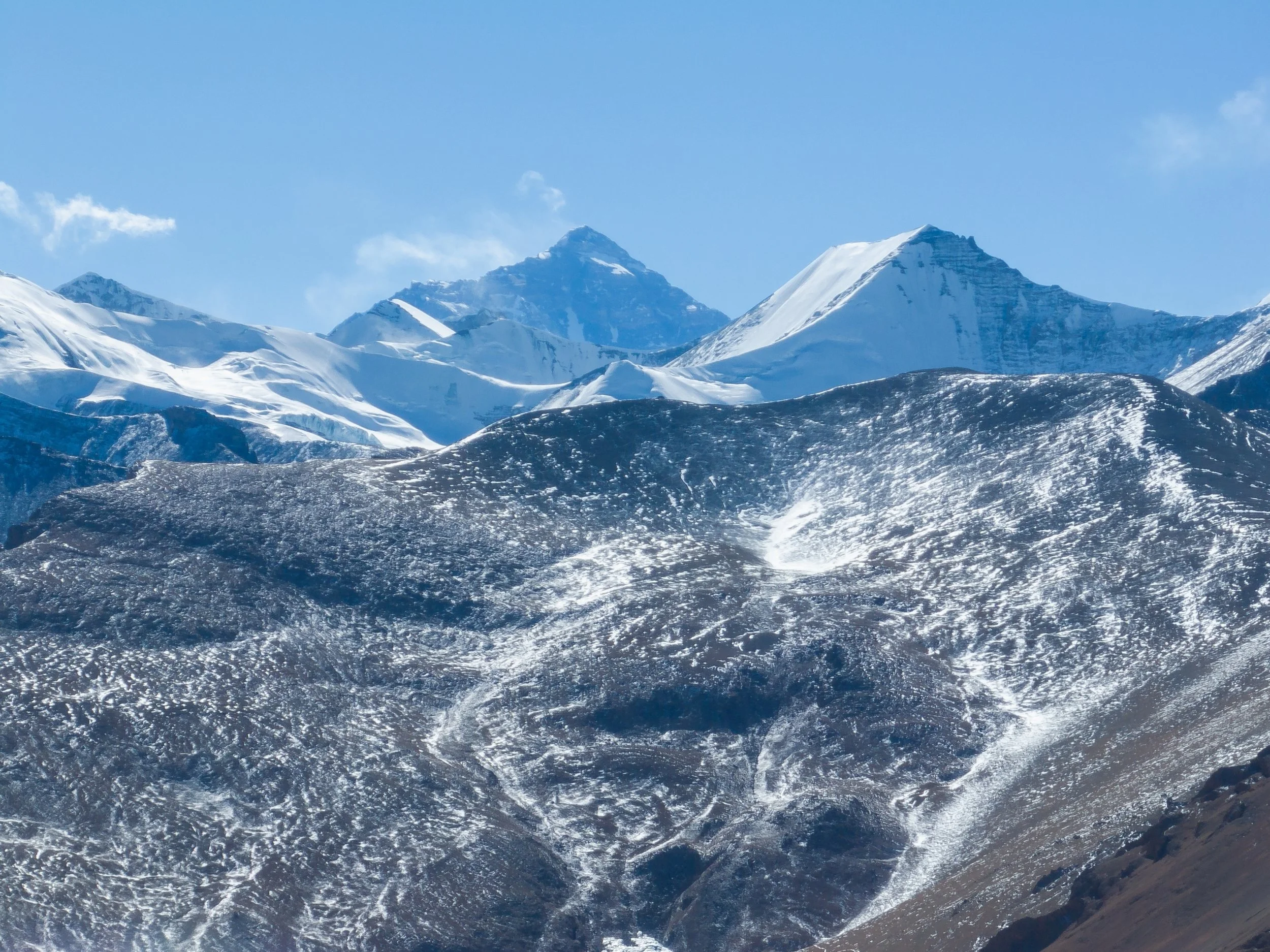
Lhasa to Mount Everest: 8 Days