19-Day Trip from Mohan → Kashgar
[ General Overview ]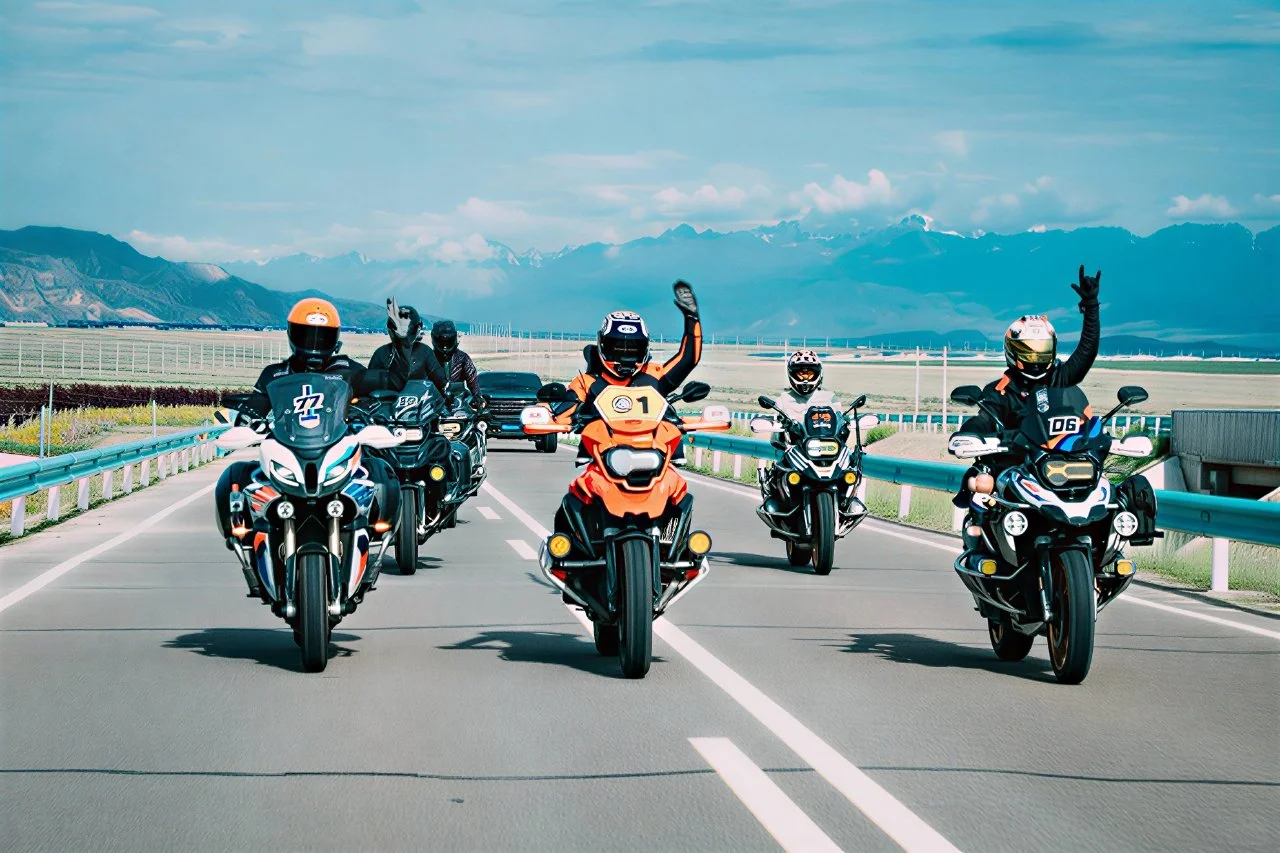
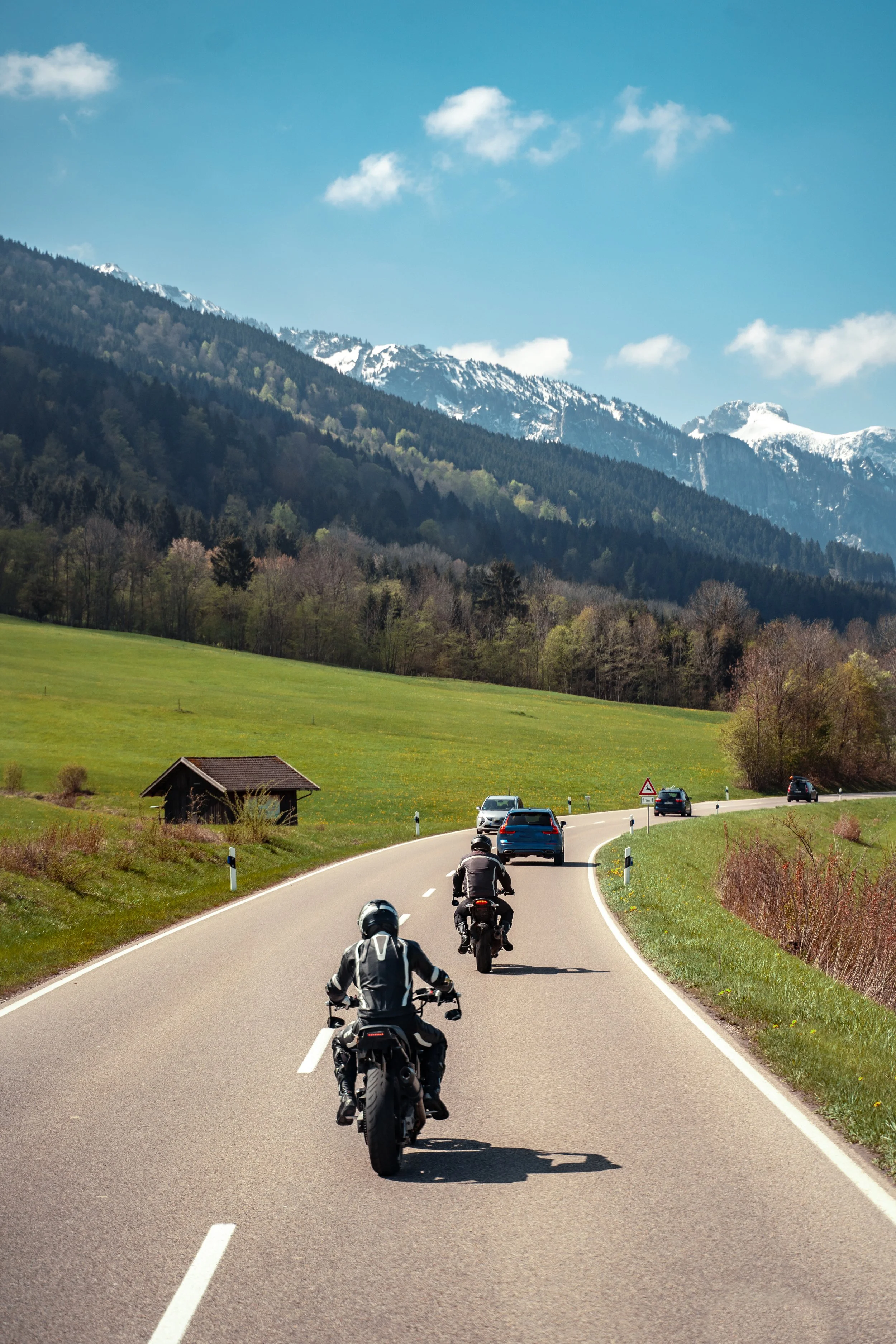
This is an extreme cross-country motorcycle route designed specifically for seasoned riders. Starting at the Mohan Port of Entry and ending at the Kyrgyzstan border, the route connects the four provinces and autonomous regions of Yunnan, Sichuan, Qinghai, and Xinjiang, traversing more than half of China and spanning over 6,000 kilometers.
The route gradually ascends from the 800-meter-high tropical region of southern Yunnan to the high-altitude areas of the Pamir Plateau, with the landscape and climate changing layer by layer—from rainforest to desert, and from grasslands to canyons—offering a cycling experience that balances challenge and enjoyment.
With professional support provided throughout the entire journey, this in-depth adventure route combines breathtaking natural scenery, diverse ethnic cultures, and demanding cycling challenges. It is not a typical sightseeing tour and is suitable for cyclists with experience in long-distance riding and the ability to adapt to outdoor conditions.
Details of the Experience
Duration of the Trip
19 days, 18 nights
Price
Starting at 16,000 yuan per person (minimum group size: 10 people)
Every year from May through October
Best Time to Visit
[ Highlights ]Highlights of the Itinerary
A Tour of the West's Diverse Natural Landscapes
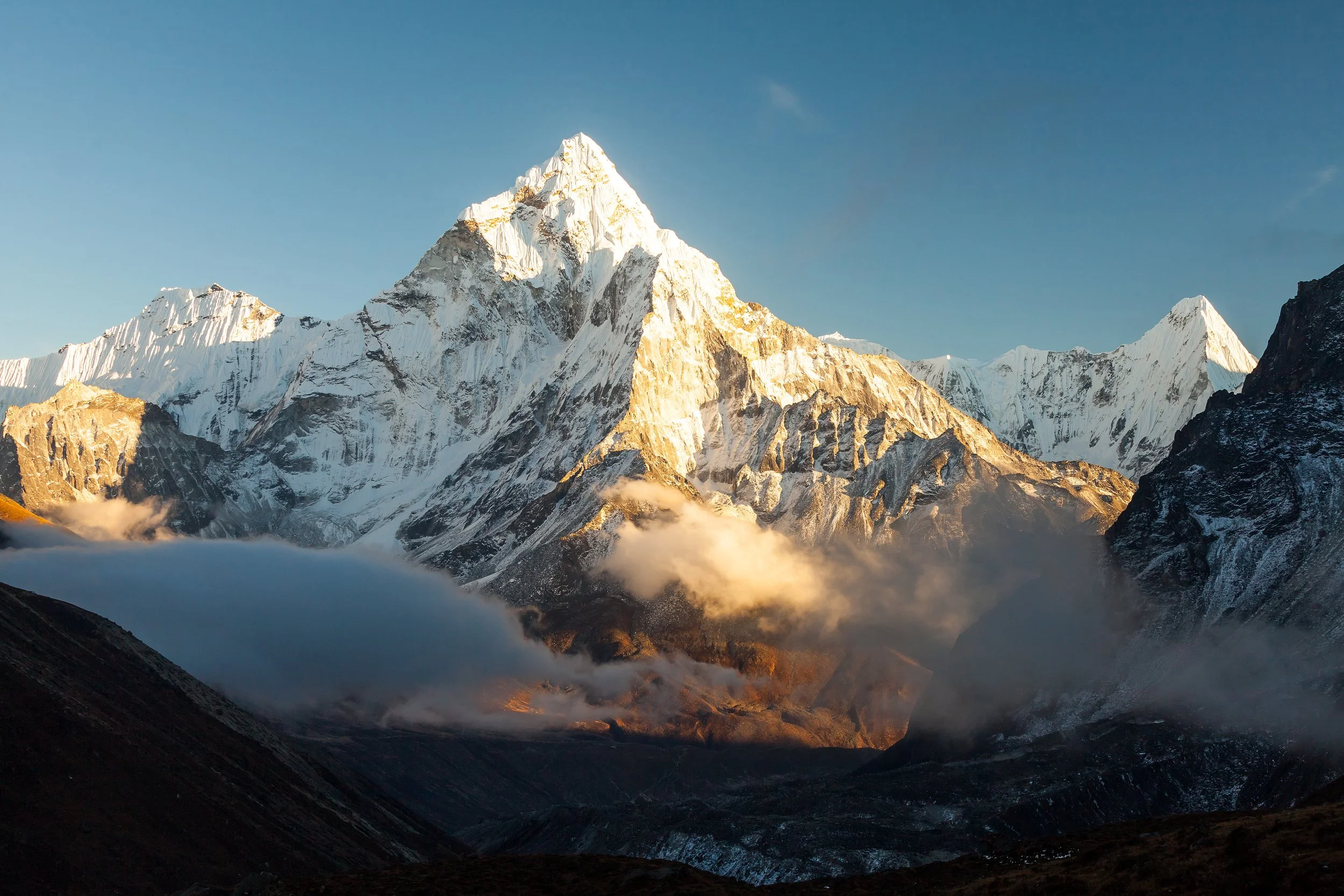
Starting from the tropical rainforests of southern Yunnan, the journey winds through high mountain gorges, the grasslands of the Qinghai-Tibet Plateau, the Qaidam Uninhabited Area, and the deserts and Gobi of the northwest, before reaching the Tianshan Gorges and the Pamir Plateau. Spanning four provinces, this journey offers an experience of extreme changes in landscape and climate—from the tropics to the highlands, and from oases to deserts—allowing travelers to fully appreciate the grandeur and diversity of the western landscape.
Discover the Cultural Charms of Multiple Ethnic Groups
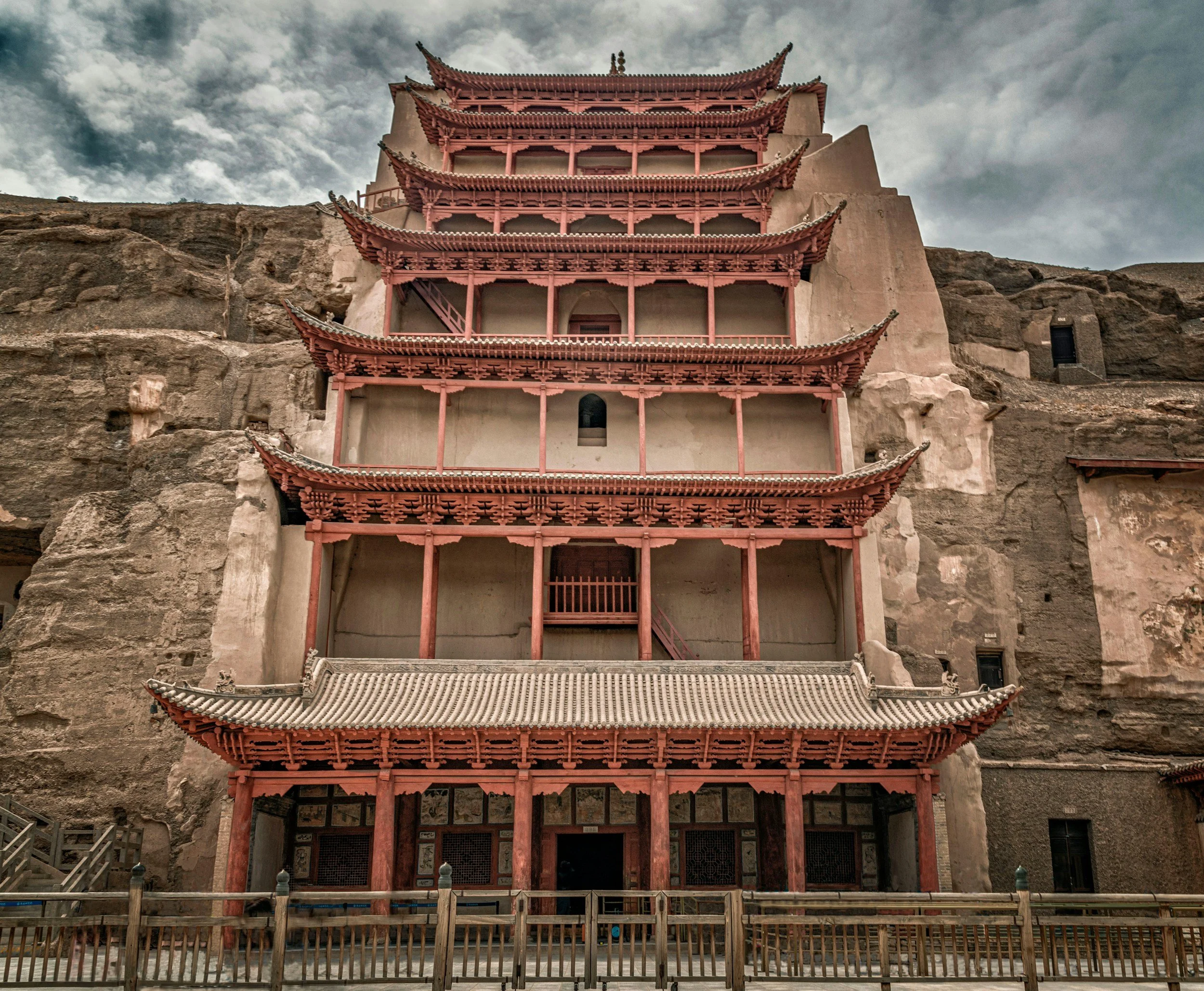
Passing through classic Silk Road cities such as Dali, Dunhuang, and Kashgar, visiting Tibetan cultural landmarks like the Derge Printing House, and experiencing the cultural charm of the Yi, Tibetan, Uyghur, and other ethnic groups—from the ancient charm of western Yunnan to the unique atmosphere of Tibet, and on to the Silk Road culture of the Western Regions—this cycling journey unlocks a diverse range of cultural experiences, blending breathtaking scenery with rich cultural heritage.
Experience the Ultimate Cycling Challenge
With a maximum single-day ride of 715 km in 12 hours, riders must bring their own supplies and fuel to traverse uninhabited areas. The route involves crossing high mountain passes, riding along desert highways, and traversing the Duku Canyon—from plains to plateaus, from cities to the wilderness. With constantly changing road conditions throughout the journey, this is a comprehensive, grueling test of riders’ skills, vehicle handling, and physical endurance.
From the Southern Yunnan Port to the China-Kyrgyzstan Border
The journey begins with going through immigration at the Mohan Port of Entry, then heads west all the way to the Kyrgyz border. Traveling from China’s southwestern border to its northwestern border, this bike ride spans nearly half of China, offering unique border scenery and experiences, and providing a deep sense of accomplishment.
Travel Itinerary
■
Days 1–3: From Southern Yunnan to Western Yunnan, transitioning from the tropics to the plateau
Day 1 | Mohan Border Crossing → Pu'er (180 km)
First, we completed the entry and border inspection procedures at the Mohan Port of Entry, then set off on our bike ride, winding our way through the tropical scenery of southern Yunnan. Surrounded by lush tropical vegetation and riding on smooth roads, we easily settled into a comfortable cycling rhythm before arriving in Pu’er.
Day 2 | Pu'er → Dali (460 km)
Today’s itinerary focused on a long-distance mountain road bike ride, offering stunning views of the intertwining countryside and mountains of Central Yunnan along the way. Although the road surface was somewhat undulating, it was generally smooth. After the long ride, we arrived in Dali, visited this historic and cultural city, and took a nighttime stroll through Dali Old Town.
Day 3 | Dali → Shangri-La (320 km)
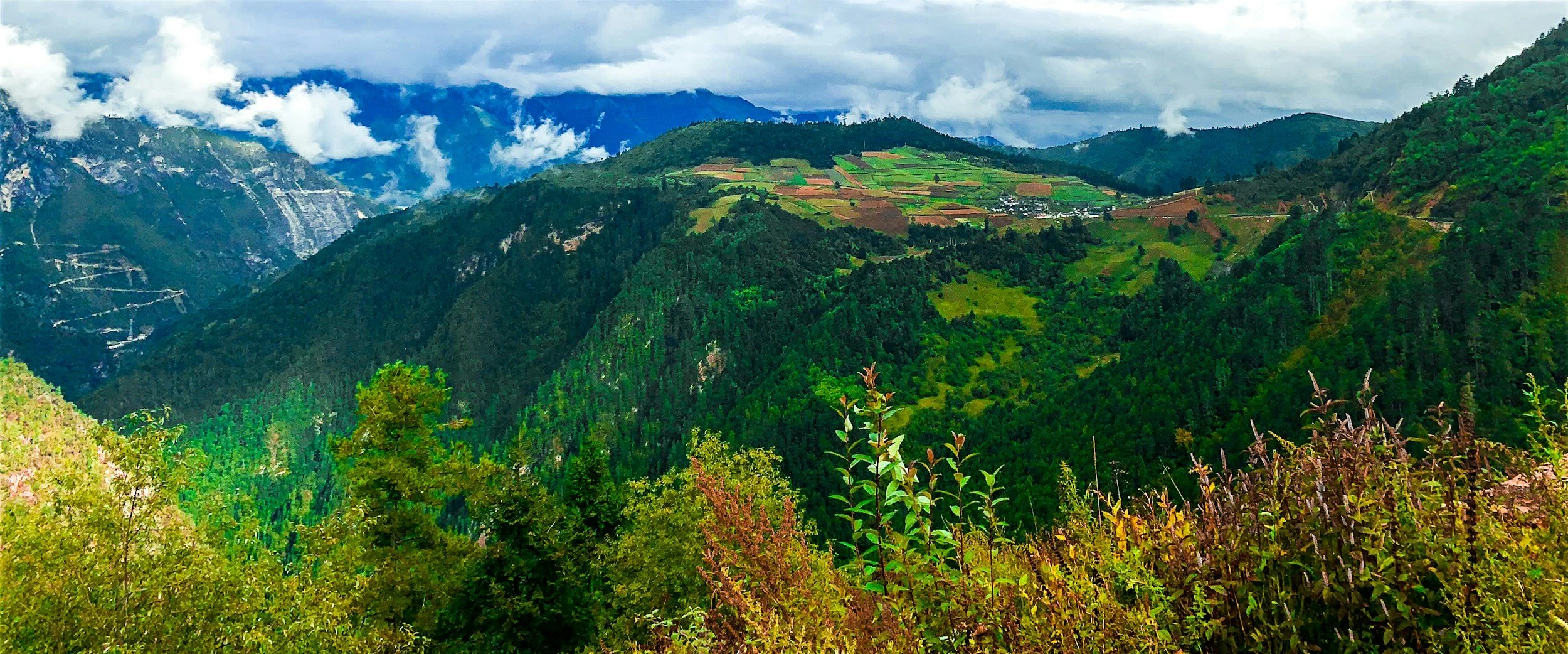
We officially entered the plateau region, cycling through mountain gorges along the way. The scenery gradually shifted from the pastoral landscapes of western Yunnan to the majestic vistas of the plateau, with blue skies, white clouds, and green mountains all around us. As the elevation gradually increased, we slowly adapted to the high-altitude cycling conditions and arrived safely in Shangri-La.
Days 4–7: Deep into the Plateau—Tibetan Scenery and Intense Challenges
Day 4 | Shangri-La → Naigani Town (370 km)
As you journey deeper into the heart of the plateau, you’ll see snow-capped mountains and remote Tibetan villages along the way. Once you enter the less-traveled regions of the plateau, the road conditions become slightly more challenging, allowing you to immerse yourself in the pristine highland scenery of Tibet and enjoy a quiet, off-the-beaten-path cycling experience.
Day 5 | Naigani Town → Derge (440 km)
Today’s ride took us through deep valleys and over high mountain passes, with a mix of climbs and descents that tested our cycling skills. Along the way, we took in the majestic scenery of the highland canyons before finally arriving in Derge, a major center of Tibetan culture and home to the famous Derge Printing House.
Day 6 | Derge → Yushu (300 km)
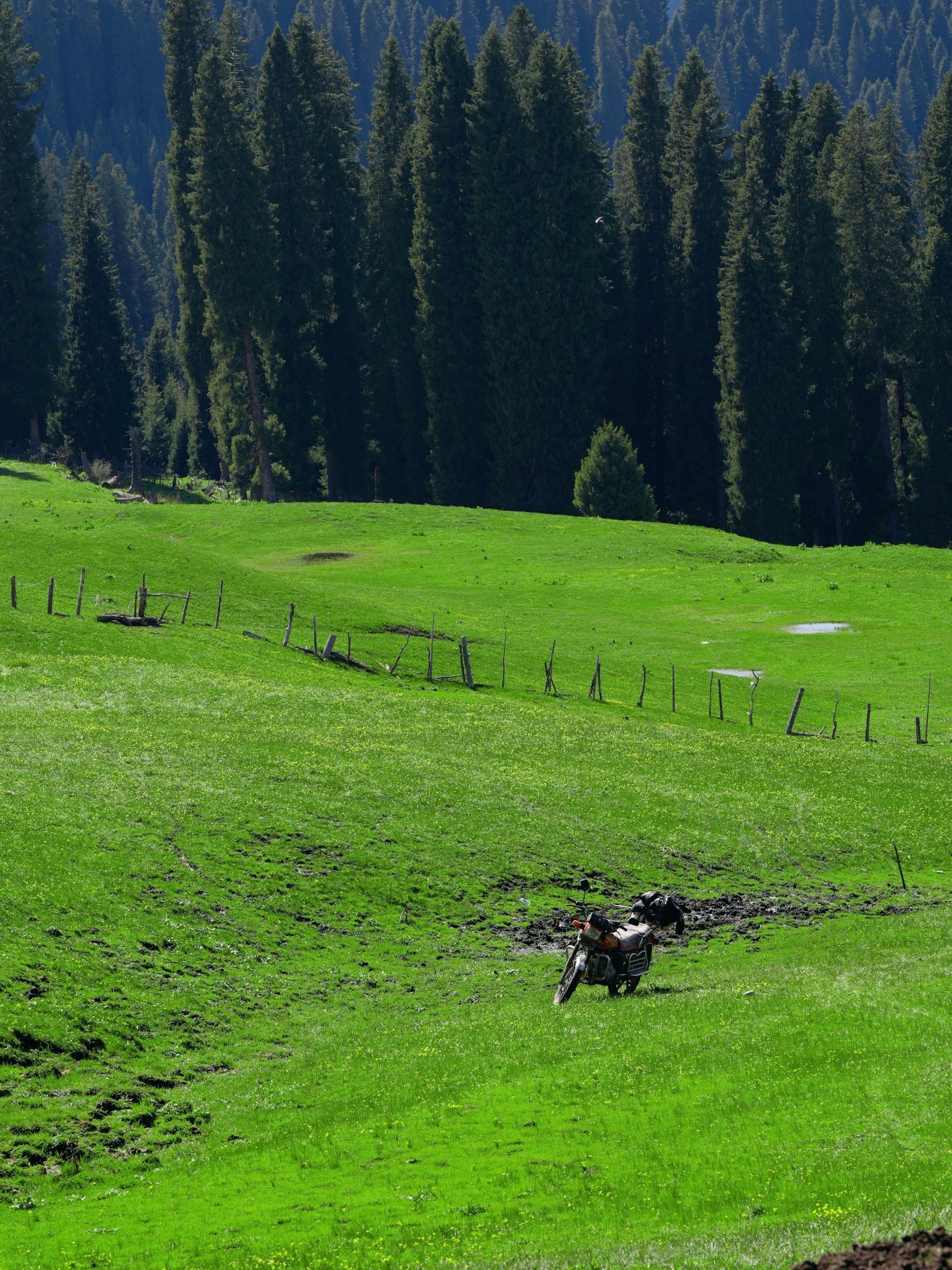
Leaving the canyon behind, we ride into the vast grasslands of the Qinghai-Tibet Plateau, where the view suddenly opens up. The endless grasslands and the snow-capped mountains in the distance create a striking contrast. The ride is moderately challenging, and we easily reach Yushu, an important city on the Qinghai-Tibet Plateau, to restock and rest.
Day 7 | Yushu → Maduo / Huashi Gorge (approx. 330 km)
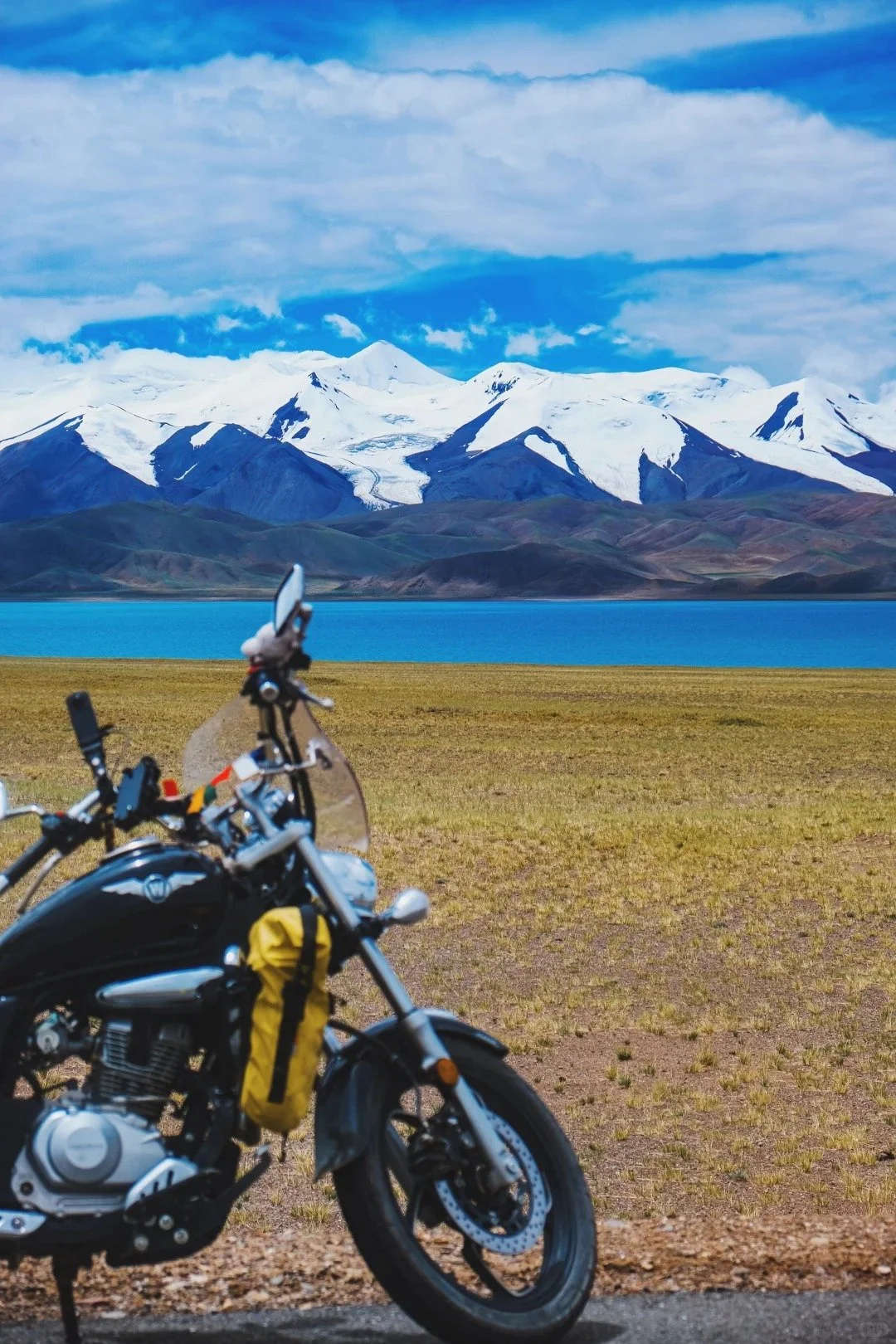
Traveling north from Yushu along the Gongyu Highway, you’ll venture deep into the core area of the Three Rivers’ Source, passing through the Tongtian River valley and high-altitude meadows along the way. As you gaze in the distance at the foothills of the snow-capped Animaqin Mountains and travel along this sparsely populated highland highway, you’ll arrive in Maduo or Huashixia Town by evening, ready to cross the Qaidam Basin the next day.
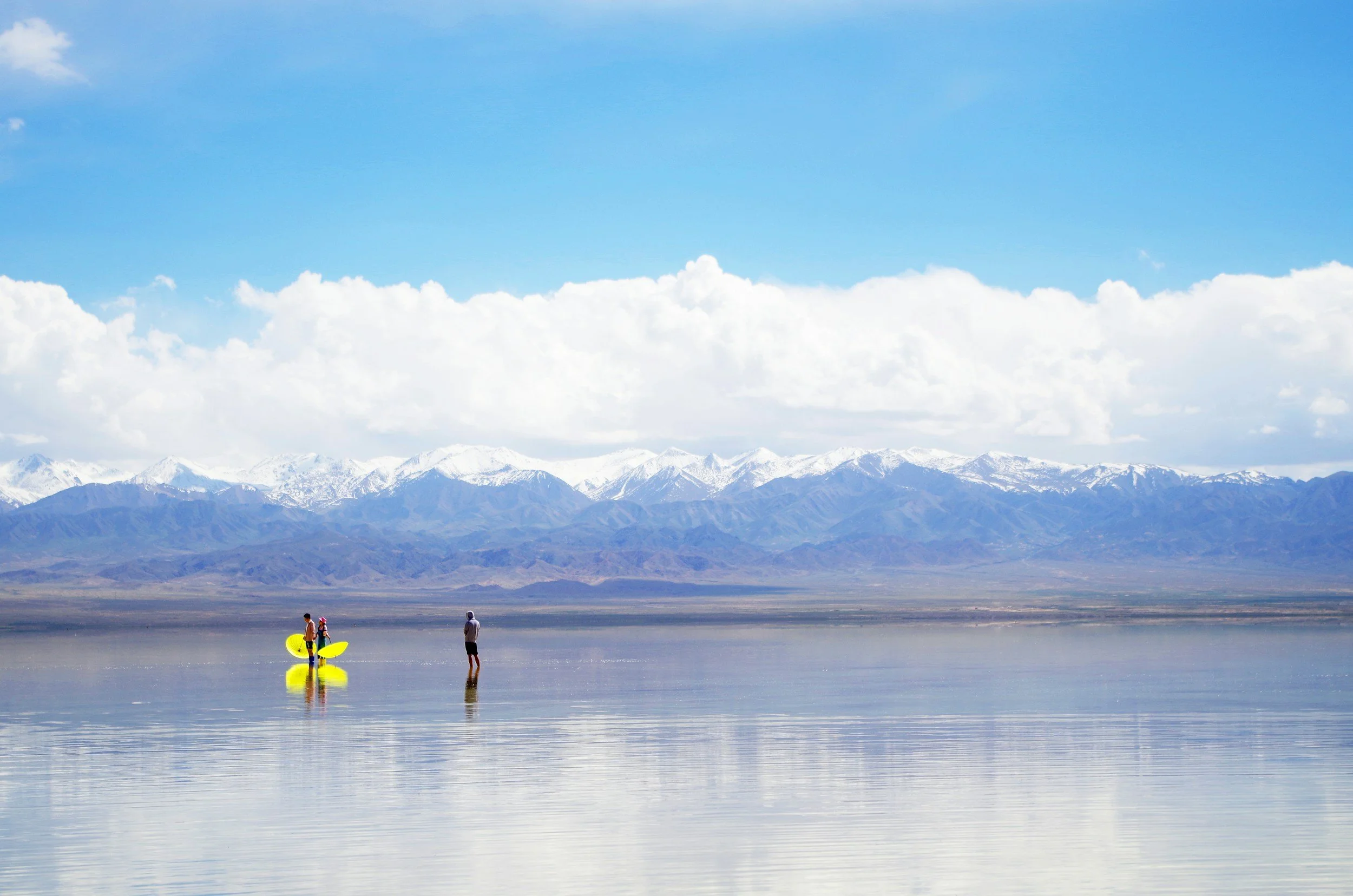
Days 8–11: The Northwestern Desert, Silk Road Culture, and Galloping Across the Gobi
Day 8 | Maduo / Huashi Gorge → Golmud (approx. 420 km)
We’ll spend the entire day traveling along the eastern edge of the Qaidam Basin, where the landscape gradually transitions from highland grasslands to the Gobi Desert. The highway stretches straight toward the horizon, offering distant views of the salt flats at Qarhan Salt Lake along the way. You’ll experience the vastness and solitude of this road through uninhabited territory before arriving in the evening at the new Gobi city of Golmud to rest and restock supplies.
Day 9 | Golmud → Heidushan / Lenghu (approx. 360 km)
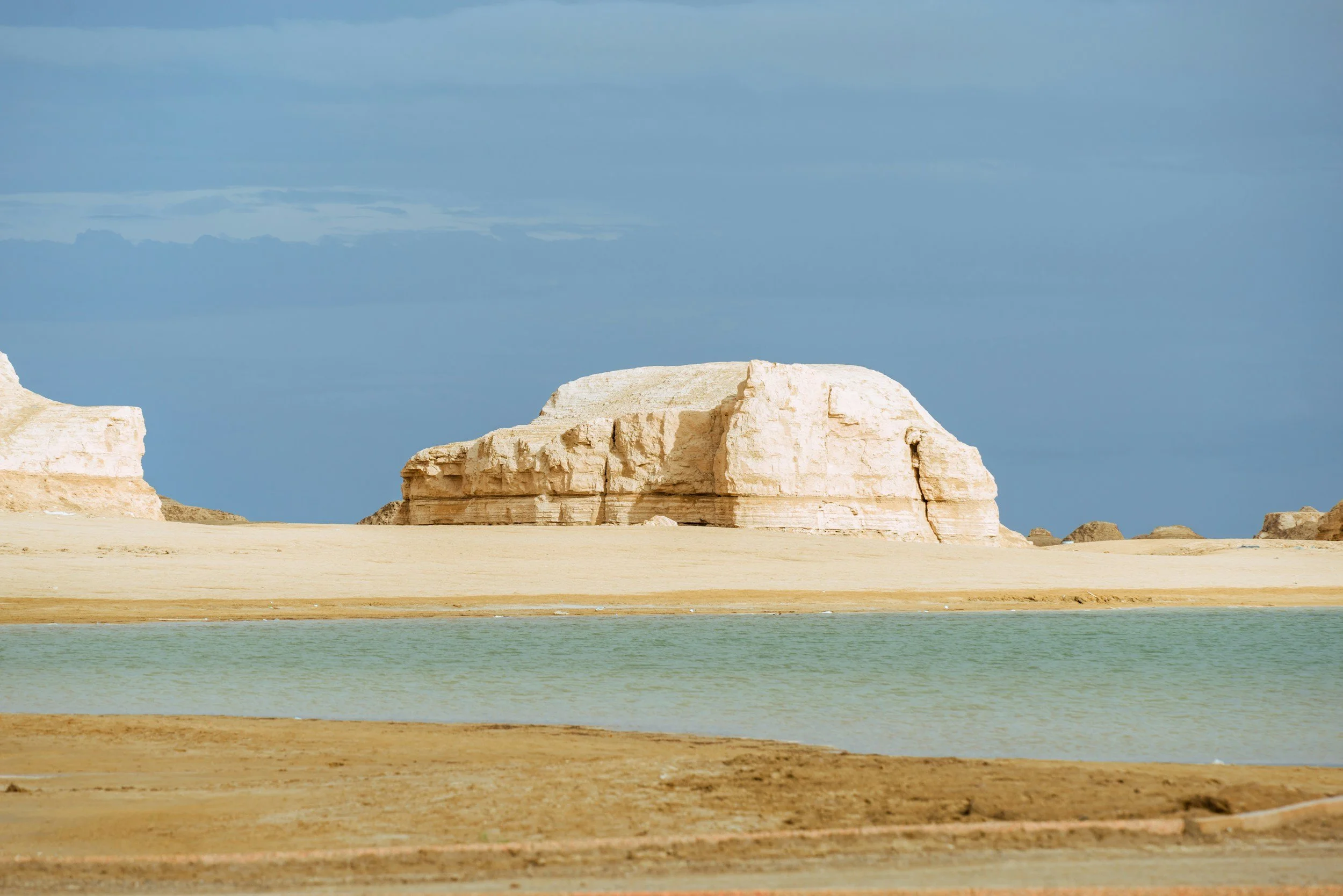
Heading west from Golmud along National Highway G315, we officially enter the heart of the Qaidam Basin’s Gobi Desert. Along the way, we stop to admire the ink-wash-style Yadan landforms at Heidu Mountain, driving along the Gobi highway through the uninhabited region, surrounded by vast expanses of Yadan formations and desert. We arrive in Lenghu Town at dusk, experiencing the desolation and ruggedness of this small town in Northwest China.
Day 10 | Heidushan / Lenghu → Dunhuang (approx. 250 km)
Set out from Lenghu early in the morning and continue cycling east-northeast along the Gobi Highway, crossing the Dangjin Pass to officially enter the western end of the Hexi Corridor. Along the way, the landscape transitions from the Qaidam Gobi to the Dunhuang Oasis. In the afternoon, you’ll arrive in Dunhuang, a famous city along the Silk Road, where you can visit the Singing Sand Mountains and Crescent Lake to experience the majestic beauty of a desert sunset.
Day 11 | Dunhuang → Hami (approx. 420 km)
Setting out from Dunhuang, we headed west along the Lianhuo Expressway, crossing the Gobi Desert at the westernmost tip of the Hexi Corridor. After passing through Xingxingxia, we officially entered Xinjiang, taking in the desert and Gobi landscapes east of the Tianshan Mountains along the way. We arrived in Hami, the eastern gateway to Xinjiang, in the evening, officially kicking off the Western Regions leg of our cycling journey.
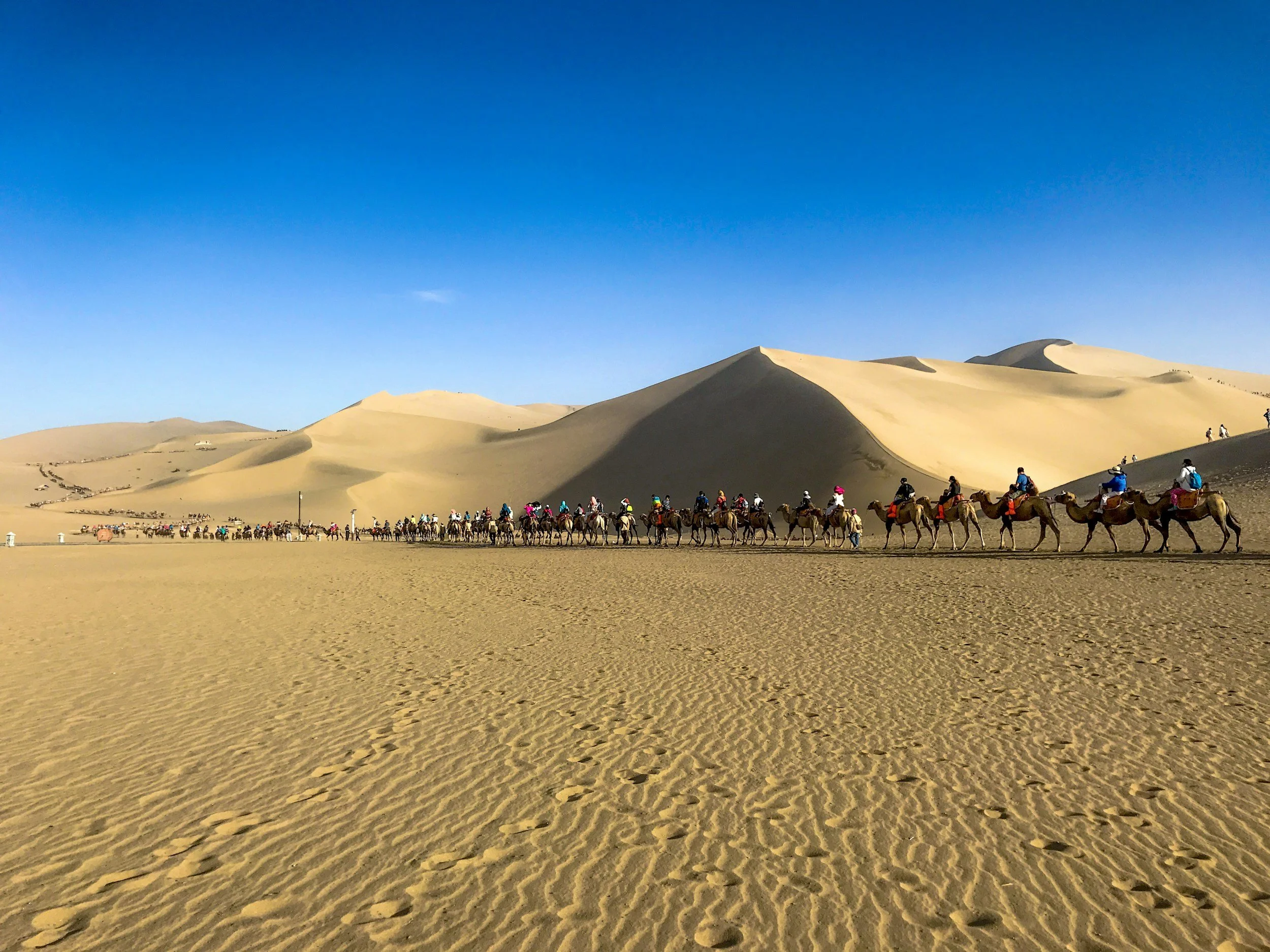
Days 12–15: Eastern and Northern Xinjiang—Traveling Through the Grasslands of the Tianshan Corridor
Day 12 | Hami → Shanshan (approx. 380 km)
Cycling westward from Hami along the southern foothills of the Tianshan Mountains, we’ll pass through the oasis region at the northern edge of the Taklamakan Desert. Along the way, we’ll pass the Flame Mountains and the edge of the Kumtag Desert, experiencing the dry, hot climate of Eastern Xinjiang and the scenery of the Gobi oases, before arriving in Shanshan County in the evening to check in and rest.
Day 13 | Shanshan → Urumqi (approx. 280 km)
We continued westward along the southern foothills of the Tianshan Mountains, passed through the Turpan Basin, crossed the Tianshan Range, and arrived in Urumqi at the northern foothills of the Tianshan Mountains. Along the way, we climbed and crossed Dabancheng, experiencing the differences in climate and topography between the northern and southern sides of the Tianshan Mountains. We arrived in Urumqi, the capital of Xinjiang, in the evening to have our vehicles serviced and restock our supplies.
Day 14 | Urumqi → Dushanzi (approx. 250 km)
Heading west from Urumqi along the Lianhuo Expressway, we cycled through the oasis region at the northern foot of the Tianshan Mountains. Along the way, we passed through Production and Construction Corps cities such as Changji and Shihezi, enjoying the scenery where farmlands, oases, and the snow-capped peaks of the Tianshan Mountains complemented one another. We arrived at Dushanzi—the starting point of the Duku Highway—in the evening to prepare for our journey into the mountains the next day.
Day 15 | Dushanzi → Nalati (approx. 250 km)
Cycling along the southern section of the Duku Highway, you’ll traverse the heart of the Tianshan Mountains, crossing several high-altitude passes along the way, including Hashilegen and Yuximolagai. The route takes you through a variety of landscapes—including canyons, forests, and grasslands—before arriving at the Nalati Sky Meadow at dusk, where you can immerse yourself in the stunning scenery of the “Jiangnan Beyond the Great Wall.”
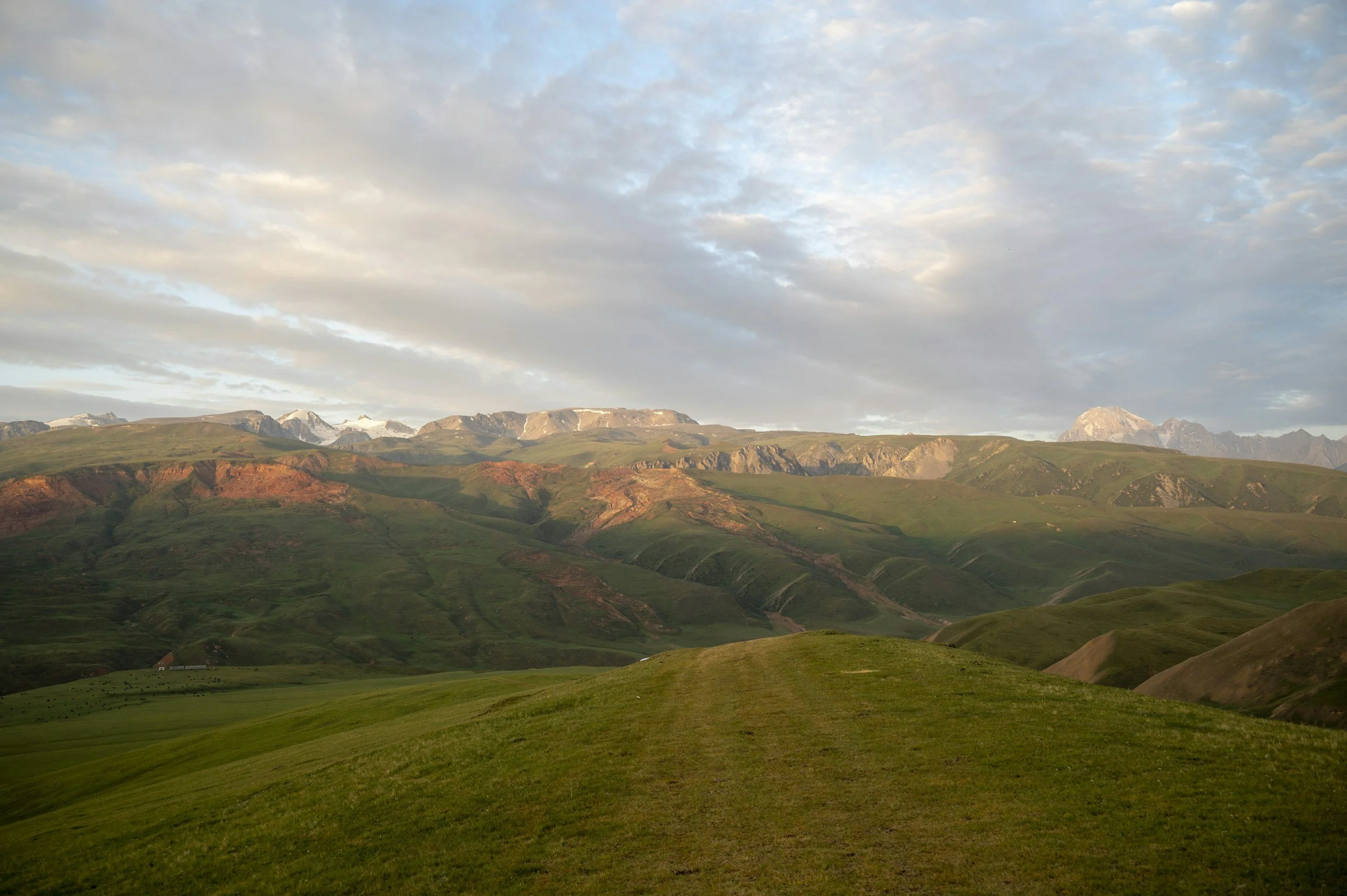
Days 16–19: The Westernmost Point of Southern Xinjiang and the Central Asia Cross-Border Trip Come to a Successful Conclusion
Day 16 | Nalati → Kucha (approx. 280 km)
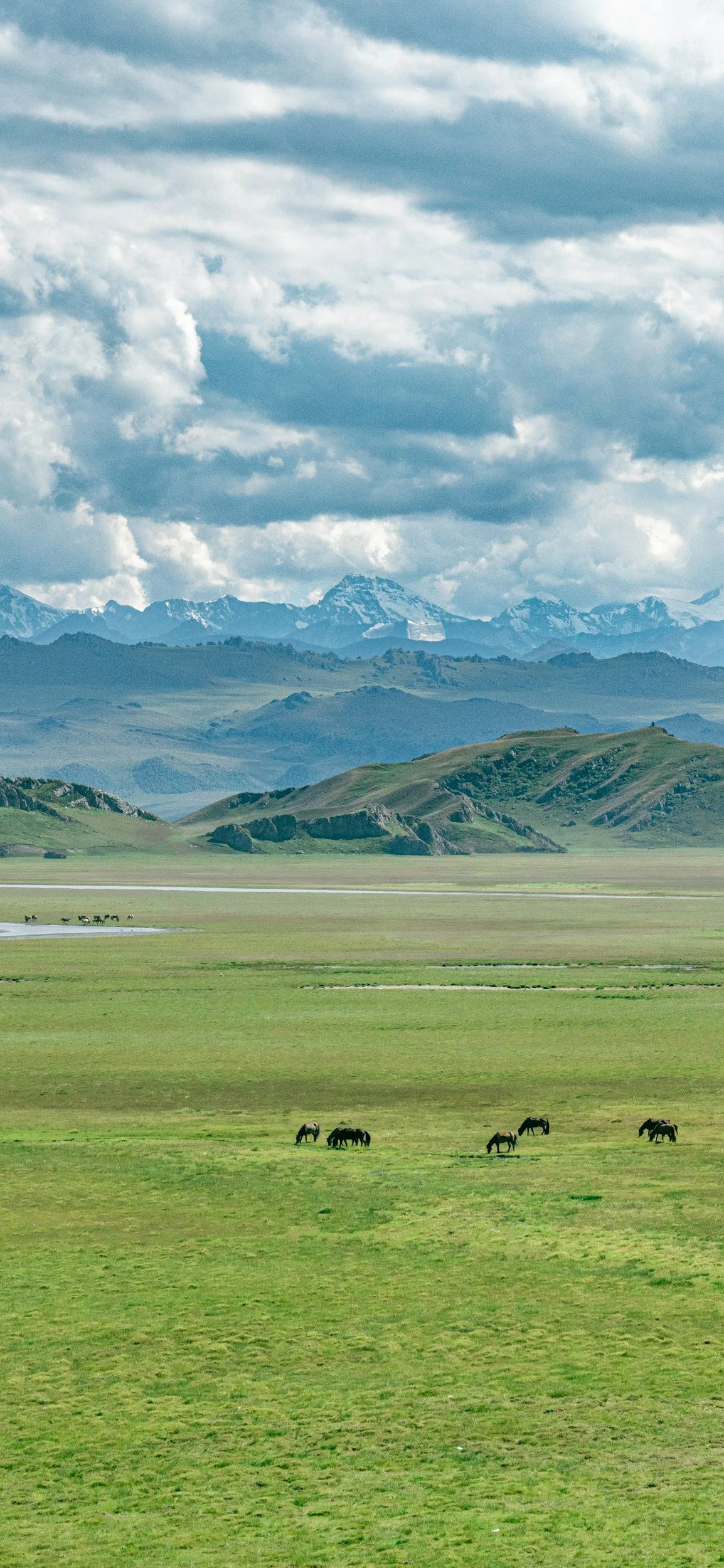
Departing from Nala, continue south along the southern section of the Duku Highway, passing through the Bayinbuluke Grasslands and the Greater and Lesser Longchi Lakes, and crossing the Tilimaiti Pass. The route transitions from alpine grasslands to the canyon region at the southern foothills of the Tianshan Mountains, arriving in the evening at Kucha, the ancient city of Kucha, to experience the cultural heritage of this historic Silk Road city in Southern Xinjiang.
Day 17 | Kuche → Aksu (approx. 250 km)
Cycling westward from Kuche along the northern edge of the Tarim Basin, we rode through the oases of the Gobi Desert. Passing by the outskirts of the Wensu Grand Canyon along the way, we took in the unique scenery of Southern Xinjiang, where the Gobi Desert and oases intertwine, and arrived in Aksu City at dusk to rest and restock for the final leg of our journey to the Western Extremity.
Day 18 | Aksu → Kashgar (approx. 430 km)
Continue west along National Highway 314, passing through the oases and Gobi desert regions along the western edge of the Tarim Basin. After passing through Atushi, you’ll gradually approach the Pamir Plateau and arrive in Kashgar—a major Silk Road hub—by evening. Take a stroll through the Old City of Kashgar, relax amid the rich atmosphere of the Western Regions, and prepare for the final leg of your cross-border journey.
Day 19 | Kashgar → Irkeshtam Border Crossing (approx. 220 km)
Setting out from Kashgar at dawn, I rode southwest along the China-Pakistan Highway and arrived at the Irkeshtam Border Crossing, China’s westernmost point. This marked the completion of my 19-day motorcycle journey across China, from Mohan in Laos to the China-Kyrgyzstan border. After completing the exit formalities, I entered Kyrgyzstan, successfully concluding this epic journey spanning East Asia to Central Asia.
[ Journey ]
Fee Information
Letter of Entry into Tibet and All Necessary Procedures
Chinese-English Tour Guides
Accommodations for the Entire Trip
Breakfast + Selected Specialty Meals
Travel Insurance + High-Altitude Insurance
Medical Oxygen
Support Vehicle
RESO Intercom
What's Included
Transportation to and from Lhasa
Single Room Supplement
Personal Expenditures
Suggested tip: ¥50 per person per day
Toll fees, parking fees
Vehicle/Motocycle Rental Fee (Inclued Fuel)
Attraction Tickets
The fee does not include
[ Travel Questions ]
Frequently Asked Questions
-
We recommend traveling in the spring (April, May, June) or fall (September, October). During these months, the weather and road conditions in western China are generally more stable.
-
Traveling to and from Tibet is very convenient. Currently, there are flights, trains, and several overland routes to choose from.
-
Tibet is currently open to international tourists. However, when planning your trip, you should be aware of the relevant restrictions: for example, you must apply for an Entry Permit to Tibet in advance, and you must participate in a fixed itinerary arranged by a travel agency; Tibet does not currently allow independent travel.
-
The price includes off-road vehicle or motorcycle rental, hotel accommodations, licensed tour guide services, first-entry admission tickets to attractions, and all administrative permit and licensing procedures.
-
You will need to provide your passport, a driver’s license valid for at least 6 months, and the registration documents for your car or motorcycle. We will assist you with all the legal formalities required to drive in China.
-
Yes. We will arrange transportation for you on the day of your arrival and departure, providing round-trip service between the hotel and the airport or train station.
-
Sure. After a detailed consultation with our travel advisors, we’ll design a customized road trip itinerary in China based on your specific needs.
Related Trips
Chengdu to Lhasa: 10 Days
Kunming to Mount Kailash, 18 Days
Mo Han–Mount Everest, 24 Days