14-Day Chengdu → Lhasa → Mount Everest Tour
[ General Overview ]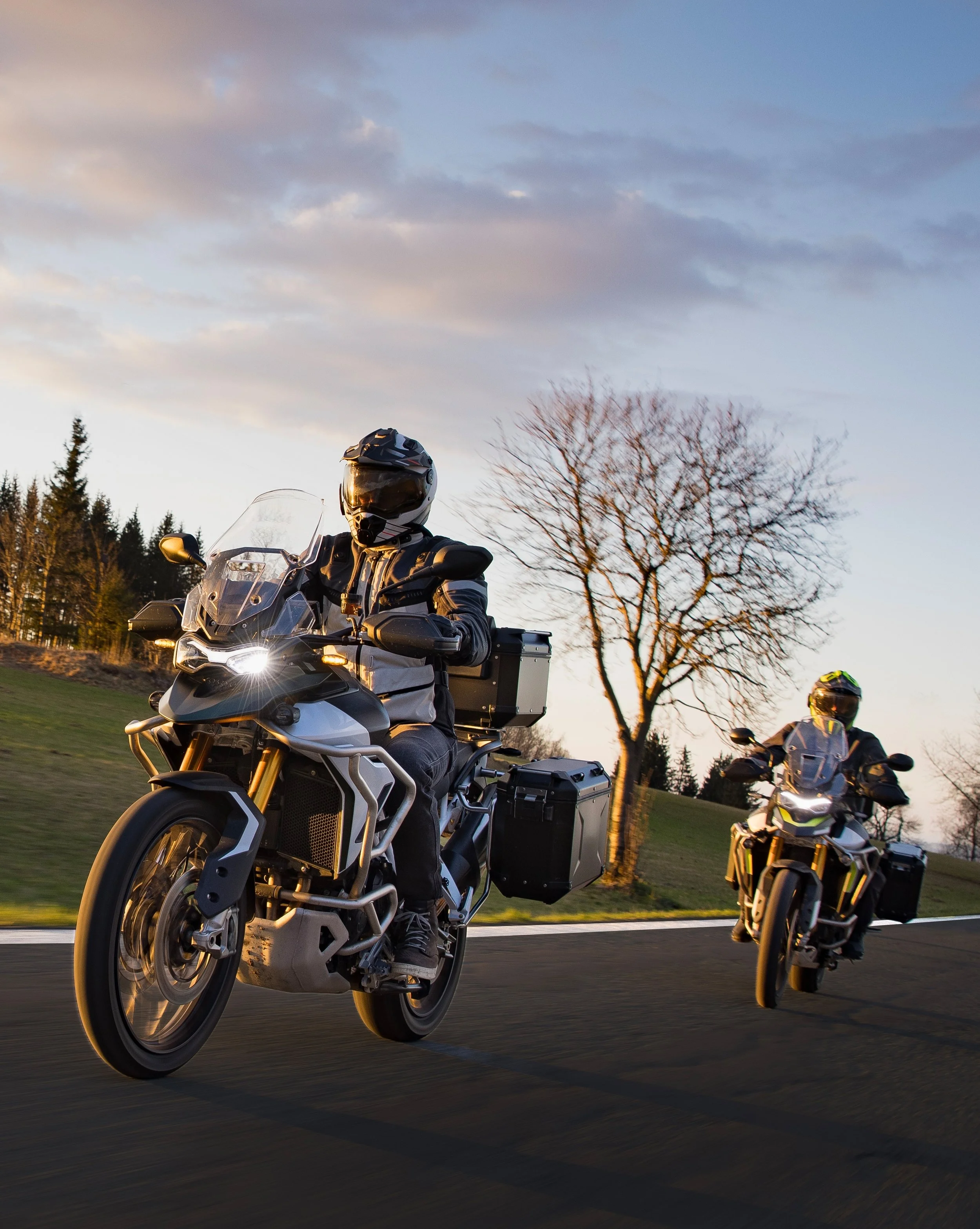
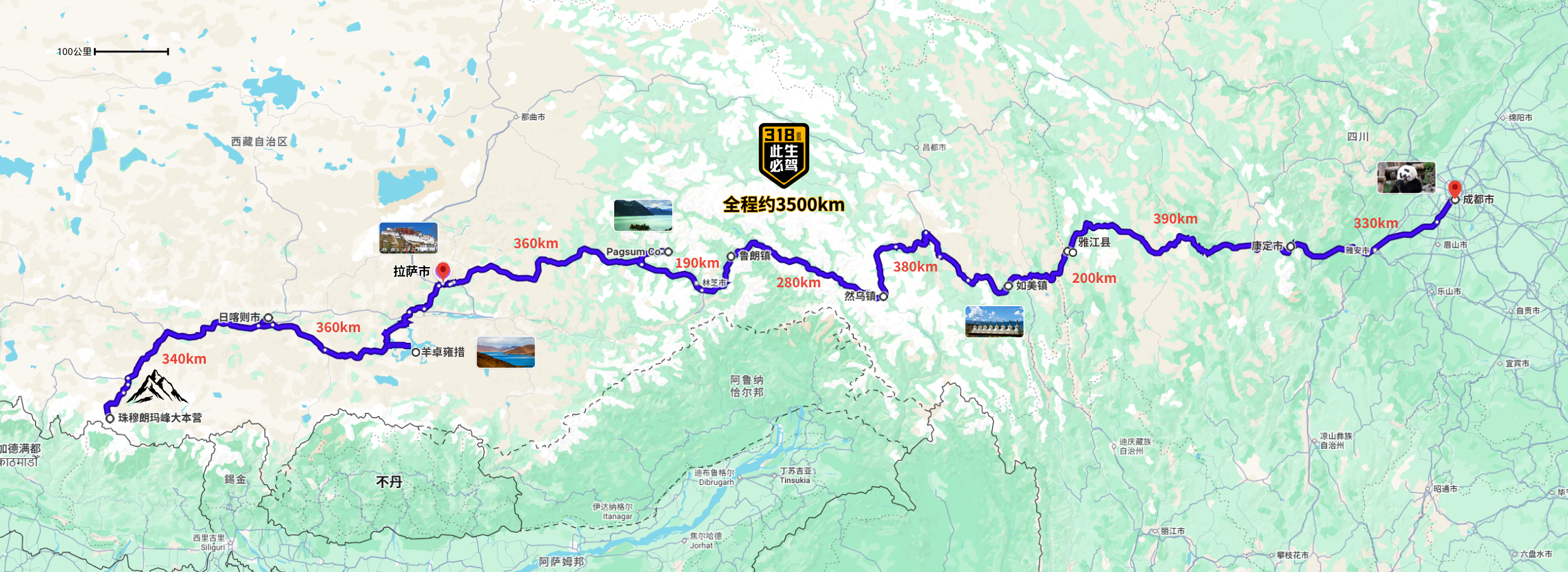
This is an in-depth cycling route along the Southern Sichuan-Tibet Highway and Mount Everest, designed specifically for adventurers. Starting from Chengdu, the route follows the iconic G318 National Highway through the heart of western Sichuan and eastern Tibet, all the way to the holy city of Lhasa, and then on to Mount Everest Base Camp,
The total distance is approximately 3,200 kilometers. The route gradually ascends from an elevation of 500 meters to 5,200 meters, with a scientifically tailored acclimatization schedule. A guide, support vehicle, and medical oxygen are provided throughout the journey, and we handle all necessary paperwork on your behalf.
Combining snow-capped mountains, glaciers, sacred lakes, sacred peaks, and Tibetan culture, this all-in-one trip fulfills your ultimate dream of exploring Sichuan-Tibet and Mount Everest.
Trip Details
Duration of the Trip
14 days, 13 nights
Price
Starting at 13,800 yuan per person
Every year from May through October
Best Time to Visit
[ Highlights ]Highlights of the Itinerary
A Visual Feast of Extreme Landforms
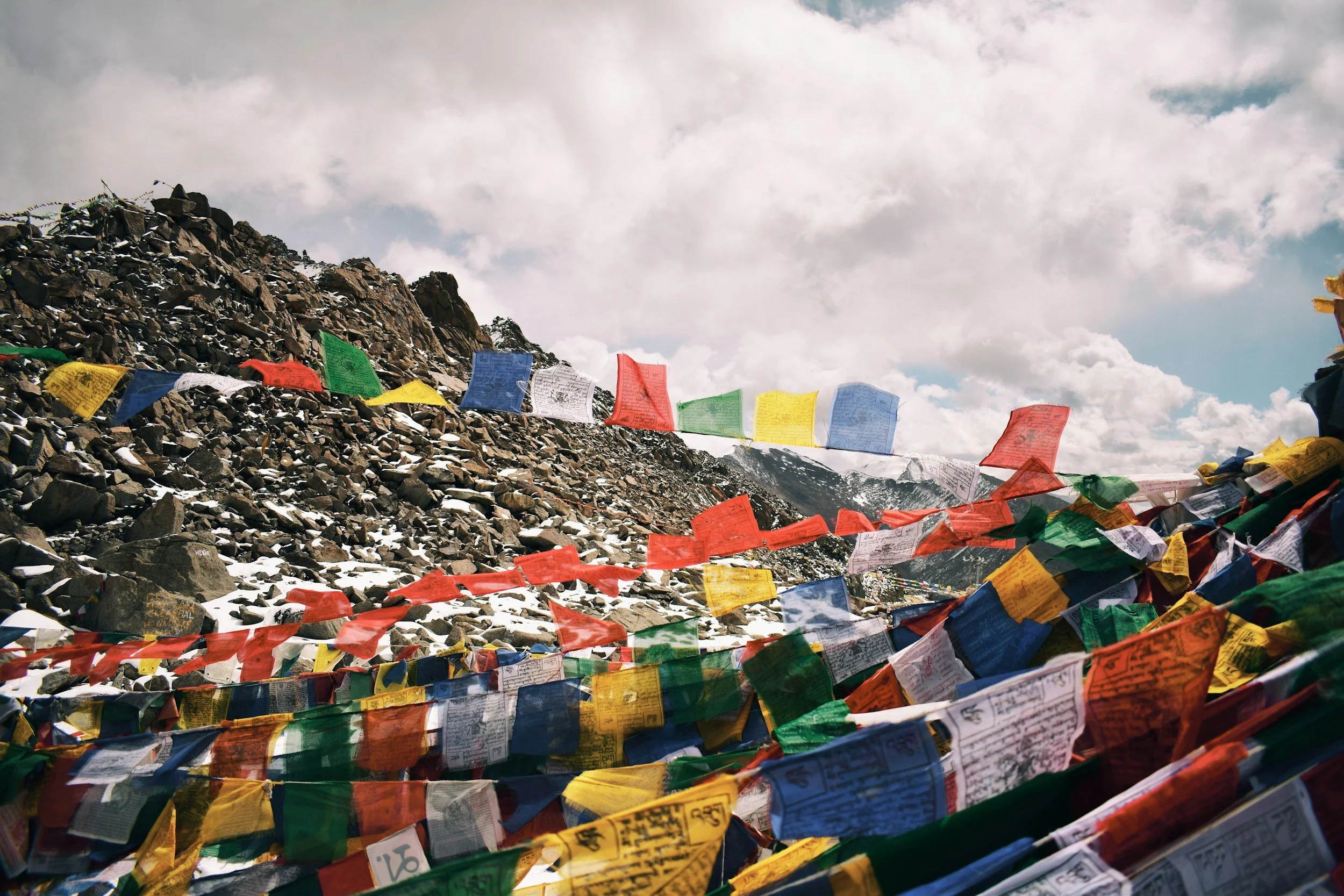
From Chengdu’s lush green basin to Kangding’s gateway to the snow-capped mountains, from the serene blue ice of Ranwu Lake to the wild, winding curves of the Nujiang River’s 72 bends. Centered around forests, canyons, glaciers, and wilderness, every mile of this route is a National Geographic-caliber spectacle.
The Honor of Challenging the World's Highest Peak
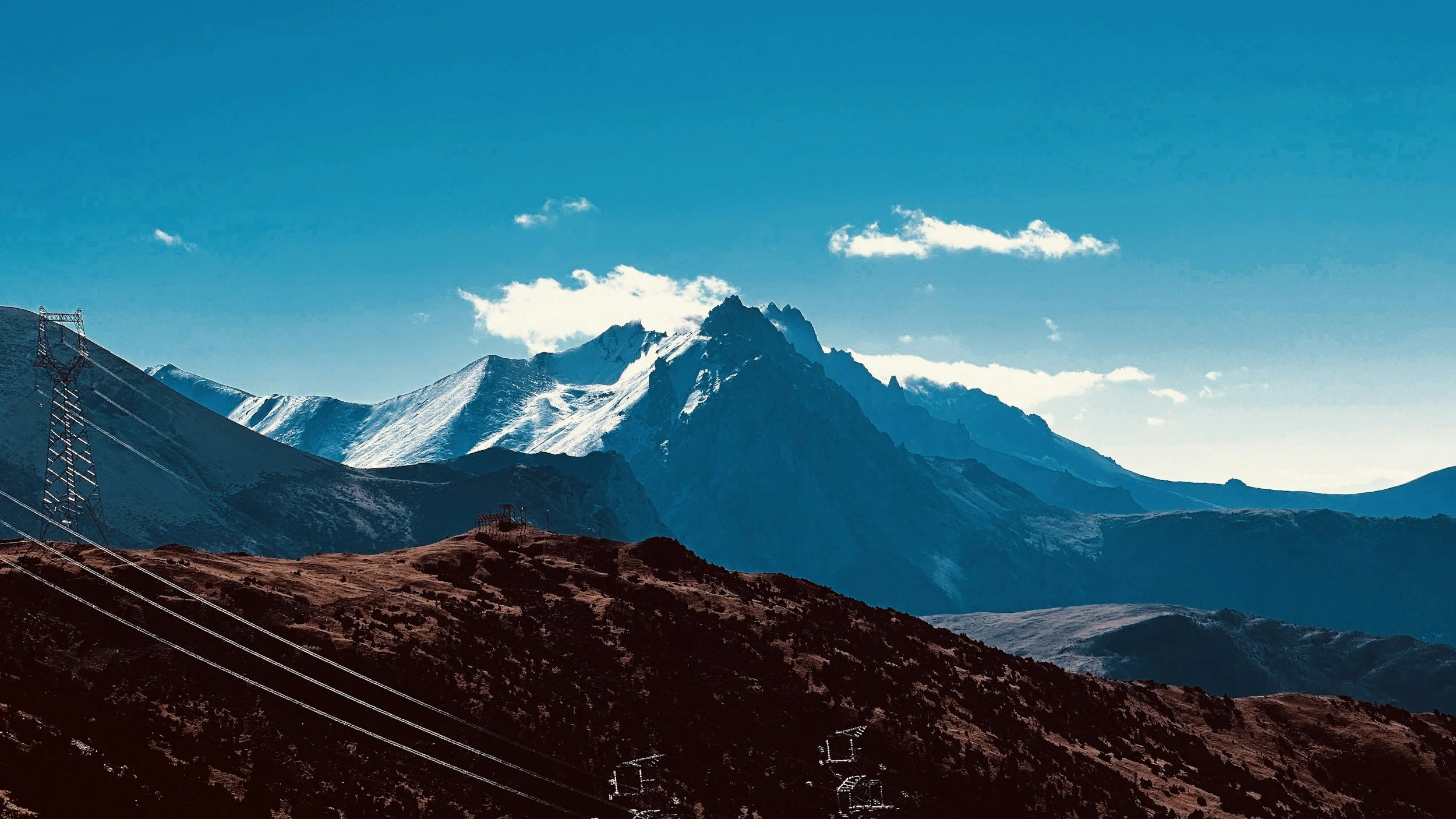
The final destination of this journey is Mount Everest Base Camp. We’ll cross the 5,210-meter-high Gaurah Pass and catch sight of five 8,000-meter-high snow-capped peaks along the way. Sleeping at the foot of the world’s highest peak is the crowning achievement in the life of any self-driven adventurer.
A Classic Ride Along the Entire G318
Driving along the core section of the southern Sichuan-Tibet Highway, you’ll traverse iconic stretches such as Zheduo Mountain, the 72 Bends of the Nu River, and the Lulang Forest Sea. With its varied road conditions and dense concentration of scenic views, this route offers one of the world’s premier self-drive adventure experiences.
Immersive Experience in Culture and Faith
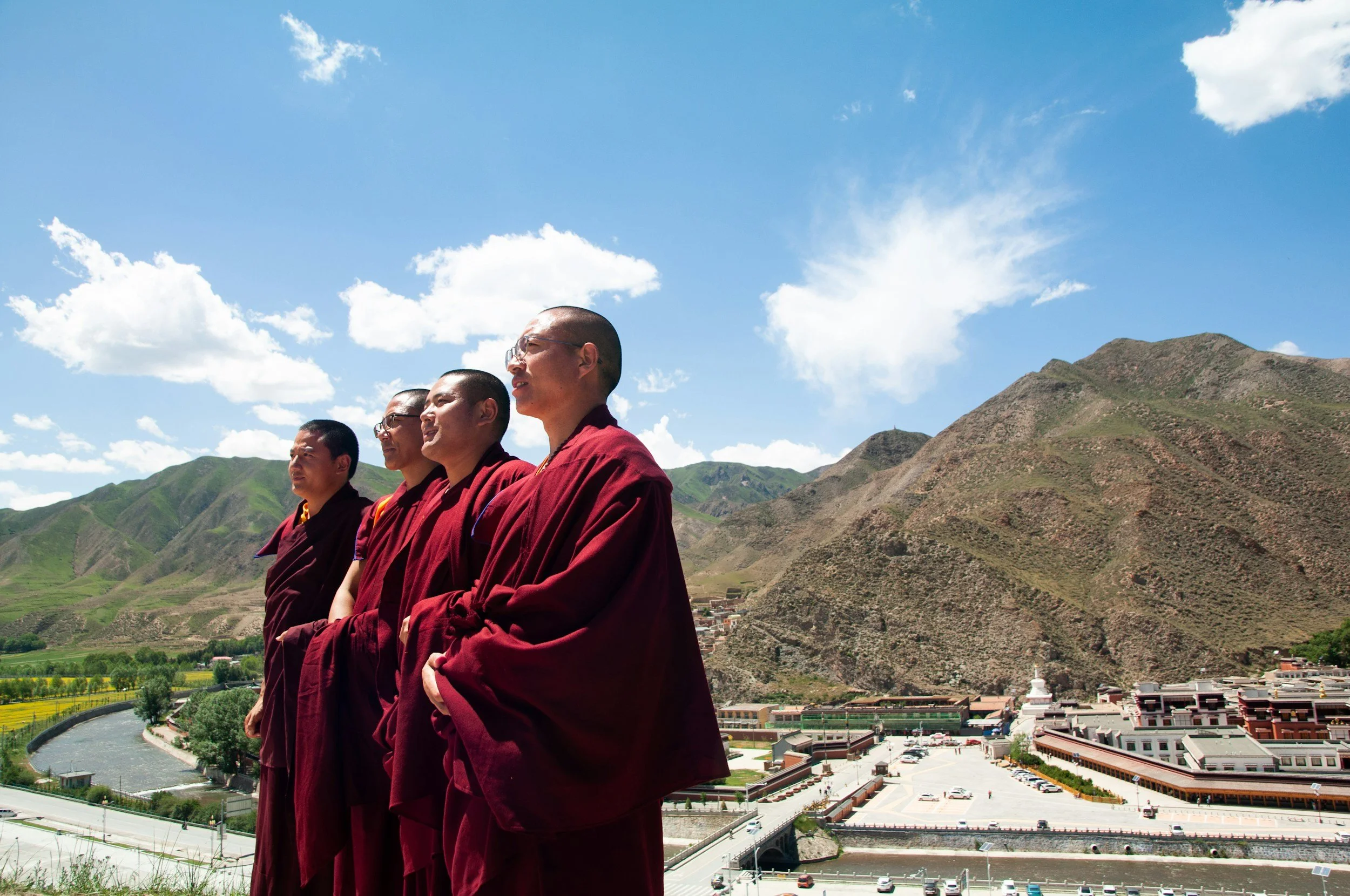
Venture deep into the Kham Tibetan region, Lhasa city, and Shigatse to visit the most sacred sites of Tibetan Buddhism, experience the rich religious atmosphere and local customs, and enjoy a self-drive tour that seamlessly blends with the local culture.
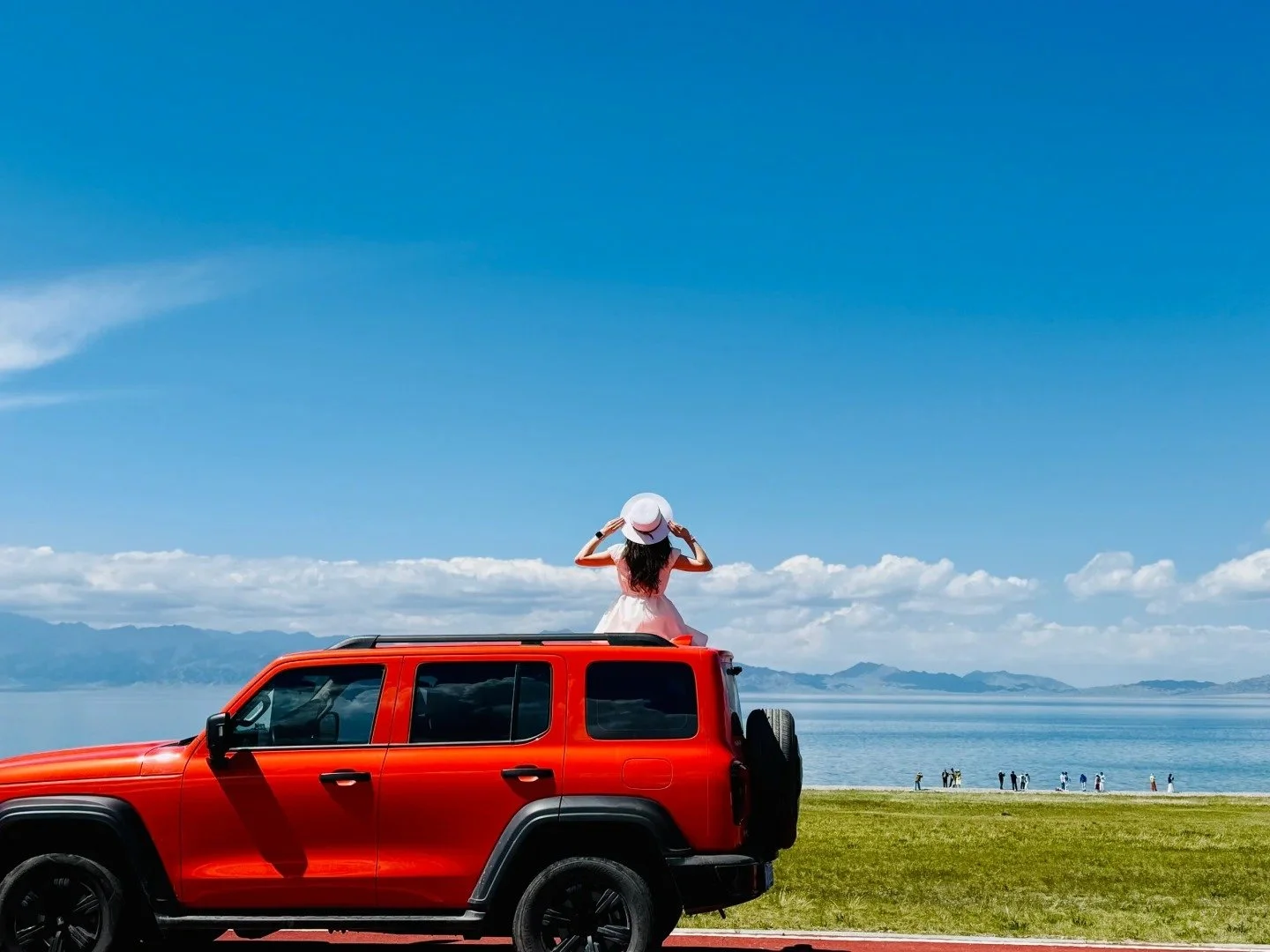
Travel Itinerary
■
Days 1–4: Departure from Western Sichuan and Acclimatization in Tibet
Day 1 | Arrival in Chengdu (Gathering Day)
Adventurers from around the world arrive in Chengdu to check in, pick up their vehicles, complete pre-trip formalities, attend a briefing, inspect their gear and vehicles, and make comprehensive preparations before setting off for the highlands.
Day 2 | Chengdu → Kangding (330 km)
Setting out from the Chengdu Plain, we headed west along the Ya’an-Kangding Expressway as the elevation gradually rose, officially entering the Western Sichuan Plateau. In the evening, we arrived in Kangding—the “Hometown of Love Songs” and the gateway to the Kangding region. As the air turned slightly cool, our caravans’ magnificent journey officially began.
Day 3 | Kangding → Cuopogou (390 km)
Cross the Zheduo Mountain (the first pass of Kham) at an elevation of 4,298 meters, pass through Xinduqiao—known as a “photographer’s paradise”—and enjoy the ever-changing play of light and shadow against an idyllic pastoral landscape along the way.Continuing west along G318 through Litang, we arrive in the evening at Cuopu Gorge—hailed as the “Hidden Paradise of Western Sichuan”—where we quietly admire the breathtaking scenery of alpine lakes intertwined with primeval forests.
Day 4 | Cuopu Gorge → Mang Kang Rumei (200 km)
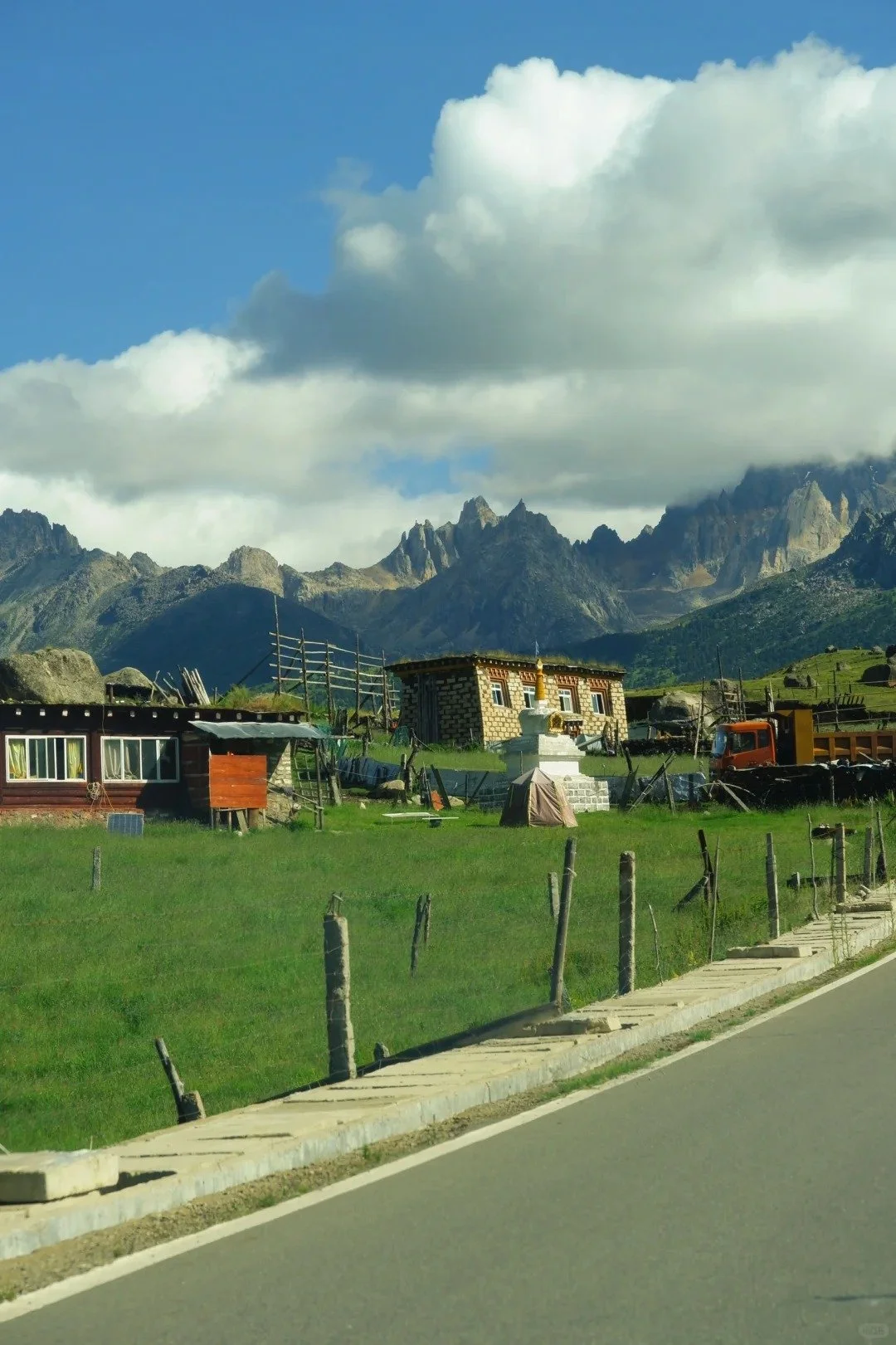
Cycling over a mountain pass and across the Jinsha River, we officially entered Tibet and arrived at Rumai Town in Mangkang, marking our crossing of the geographical boundary between Sichuan and Tibet. The landscape transitioned from the Western Sichuan Plateau to the canyons of Eastern Tibet.
Days 5–8: Crossing Eastern Tibet on the Way to the Holy City of Lhasa
Day 5 | Mangkon Rume → Ranwu (380 km)
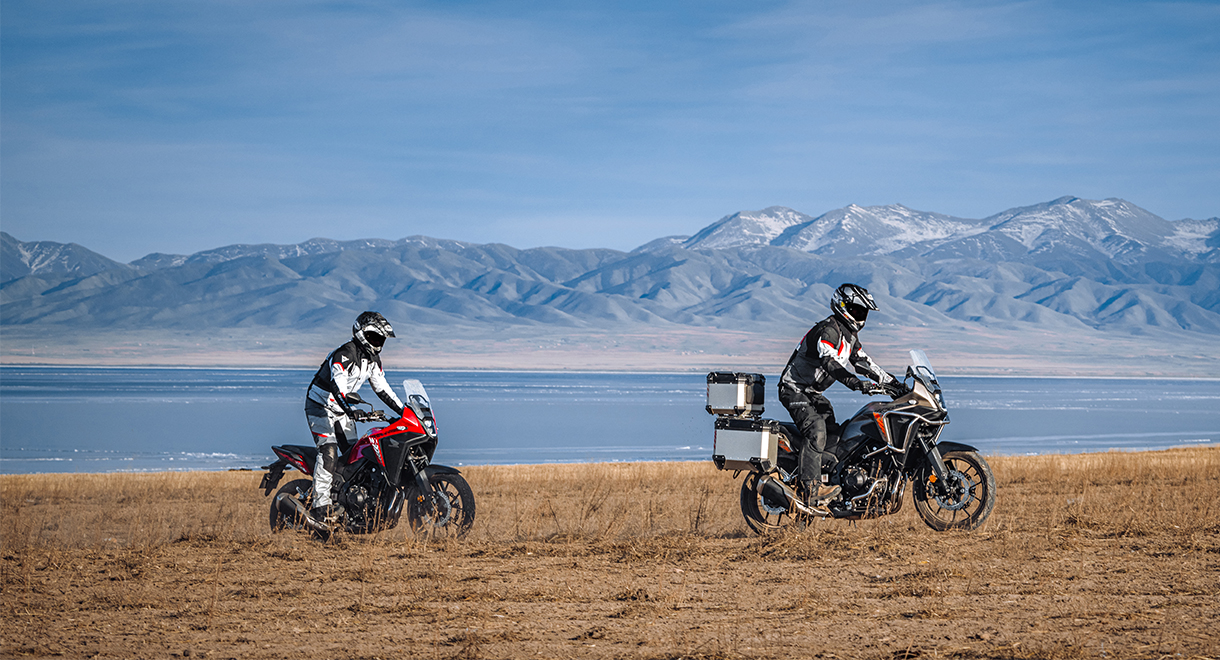
Take on the most challenging stretch of the Sichuan-Tibet Highway, crossing the two high-altitude mountain passes of Jueba Mountain and Dongda Mountain, traveling through the Lancang River Grand Canyon, and arriving at Ranwu Lake, which is surrounded by snow-capped mountains, to admire the crystal-clear, azure waters of this sacred highland lake—a truly breathtaking sight.
Day 6 | Ranwu → Lulang (280 km)
Passing by the world-class Midui Glacier, experience its majestic grandeur up close; traverse the thrilling and spectacular “72 Bends” of the Nujiang River; accompanied by forests and streams along the way, arrive at Lulang—known as the “Jiangnan of Tibet”—and enjoy its idyllic, soothing scenery.
Day 7 | Lulang → Basongco (190 km)
Driving through the dense forests of Eastern Tibet, where the air is fresh and the views are expansive, you’ll arrive at Basongco Lake, a sacred lake of the Red Sect. With its emerald-green waters and snow-capped mountains surrounding it, you’ll experience the tranquility and sanctity of this high-altitude sacred lake.
Day 8 | Basong Co → Lhasa (360 kilometers)
Drive along the scenic Yulin-Lhasa Expressway, crossing the Nyang River Valley, where snow-capped mountains, vast forests, and picturesque countryside alternate along the way, all the way to the sacred city of Lhasa. Complete your self-drive journey along the main Sichuan-Tibet route and achieve a major milestone in your life.
Days 9–11: Expedition from the Holy City to Mount Everest
Day 9 | Rest Day in Lhasa
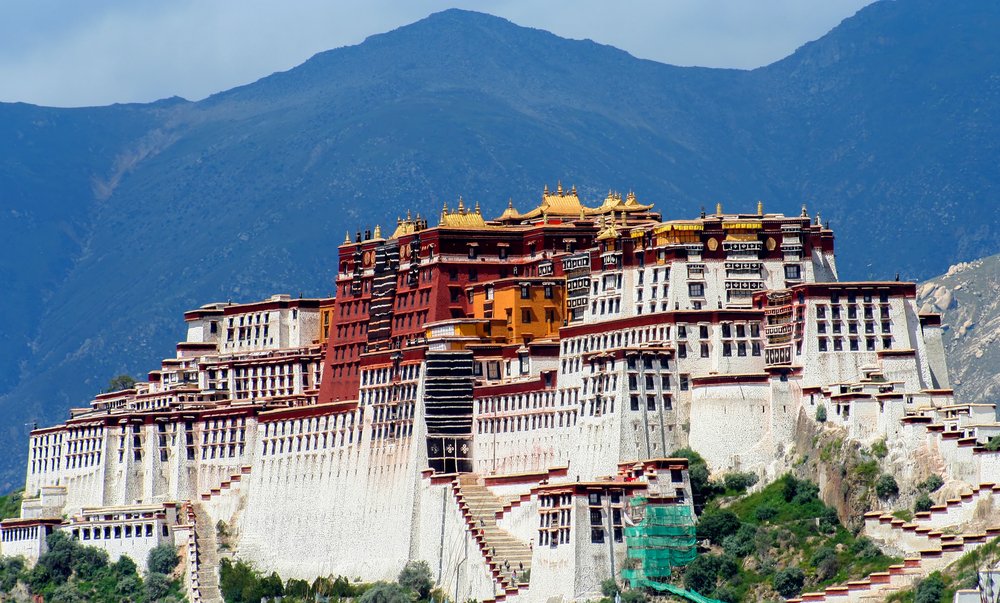
We spent the entire day resting and sightseeing in Lhasa, visiting the Potala Palace, the Jokhang Temple, and Barkhor Street to immerse ourselves in the religious and cultural atmosphere of Tibet. We also had the vehicle thoroughly inspected and serviced to ensure it was in top condition and to build up our stamina for the Mount Everest stretch of the journey.
Day 10 | Lhasa → Shigatse (360 kilometers)
Head west from Lhasa, cycling along the Yarlung Tsangpo River, crossing the grasslands and river valleys of Back Tibet, and arriving in Shigatse, the heart of Back Tibet. Experience the unique charm of Back Tibet, distinct from that of Lhasa, and prepare for the final push to Mount Everest.
Day 11 | Shigatse → Everest Base Camp (350 km)
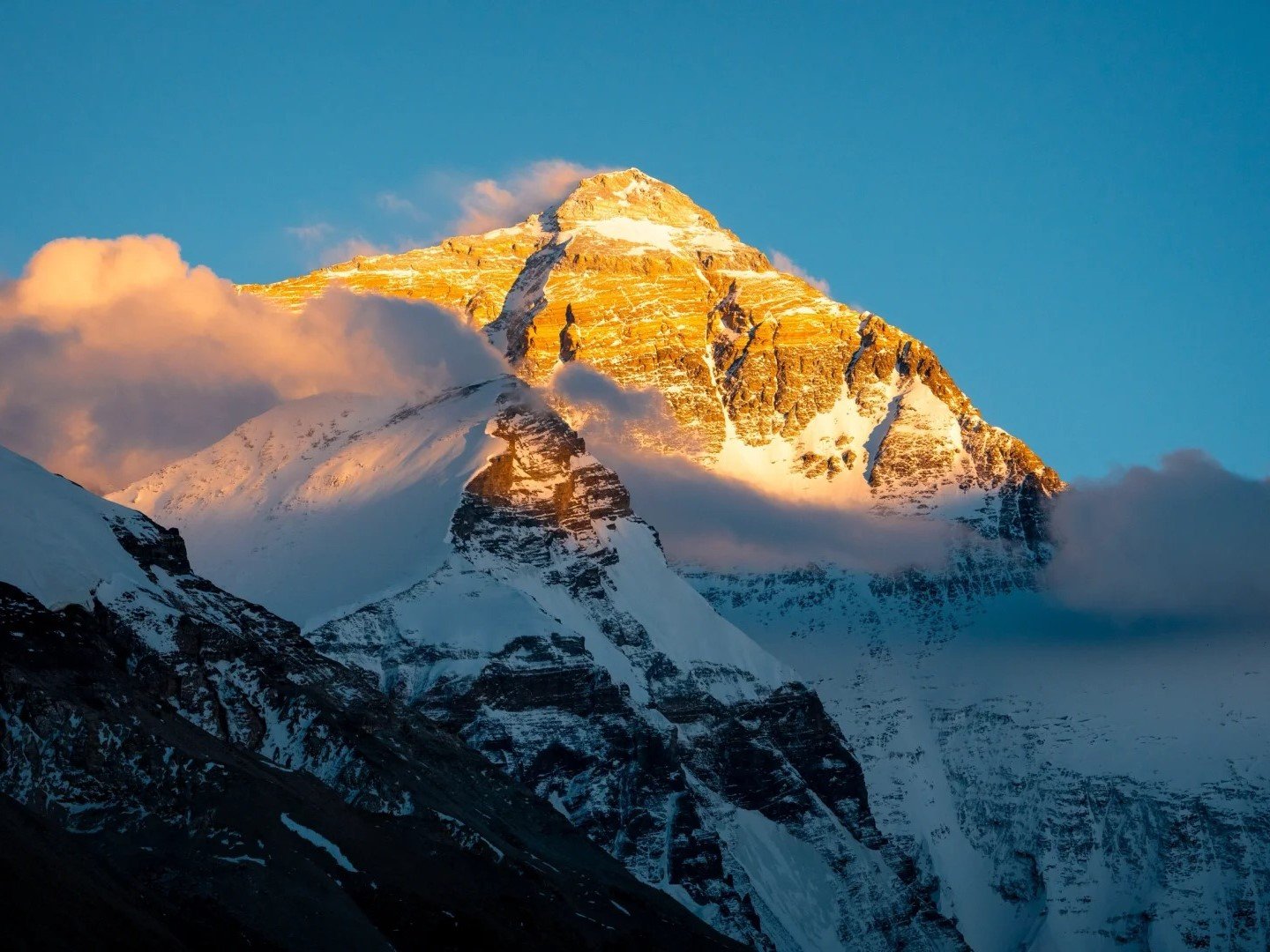
Set off full steam ahead toward the roof of the world, cycle to the Gaula Pass viewpoint, and take in a breathtaking view of five 8,000-meter-class snow-capped peaks all at once—a visual feast at its peak. Then, arrive at Everest Base Camp to gaze up at the majestic Mount Everest up close.
Days 11–14: A Successful Return from Mount Everest
Day 12 | Everest Base Camp → Shigatse (350 km)
Wake up early to witness the spectacular sight of the sun illuminating Mount Everest’s golden peak, experience the sheer awe of the “Roof of the World,” then cycle back along the same route to Shigatse to rest and reflect on the awe and emotion evoked by Mount Everest.
Day 13 | Shigatse → Lhasa (280 kilometers)
We made our way back along the Yarlung Tsangpo River valley, with grasslands, snow-capped mountains, and river valleys accompanying us all the way. The road conditions were comfortable and smooth, and we returned safely to Lhasa, bringing our 14-day cycling trip from Sichuan to Tibet and Mount Everest to a successful conclusion.
Day 14 | Transfer to the Airport in Lhasa · End of the Tour
After returning the motorcycles and completing the necessary formalities, we reflected on our travel memories and were transported by private car to the airport, bringing our 14-day self-drive motorcycle tour from Chengdu to Everest Base Camp to a successful conclusion.
[ Journey ]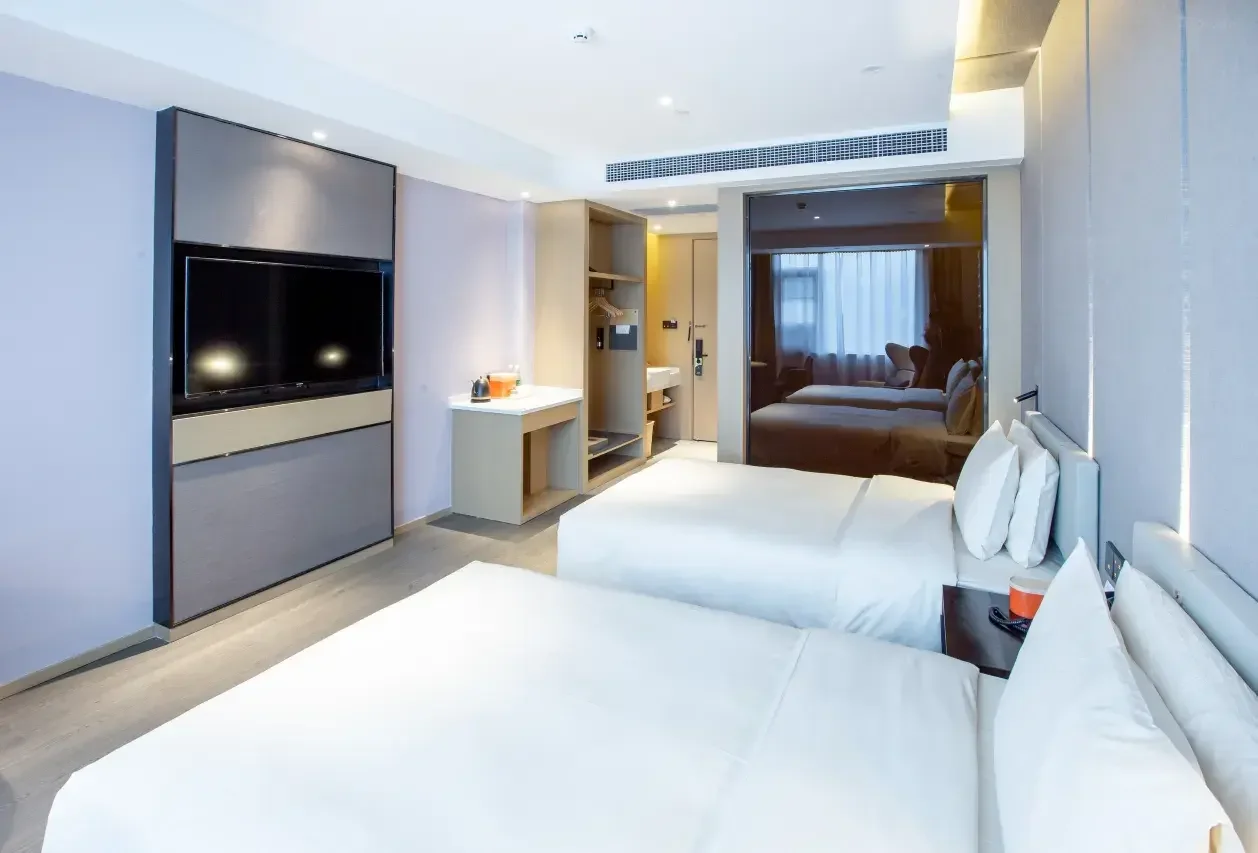
Fee Information
Letter of Entry into Tibet and All Necessary Procedures
Chinese-English Tour Guides
Accommodations for the Entire Trip
Breakfast + Selected Specialty Meals
Travel Insurance + High-Altitude Insurance
Medical Oxygen
Support Vehicle
RESO Intercom
What's Included
Transportation to and from Lhasa
Single Room Supplement
Personal Expenditures
Suggested tip: ¥50 per person per day
Toll fees, parking fees
Vehicle/Motocycle Rental Fee (Inclued Fuel)
Attraction Tickets
The fee does not include
[ Travel Questions ]
Frequently Asked Questions
-
We recommend traveling in the spring (April, May, June) or fall (September, October). During these months, the weather and road conditions in western China are generally more stable.
-
Traveling to and from Tibet is very convenient. Currently, there are flights, trains, and several overland routes to choose from.
-
Tibet is currently open to international tourists. However, when planning your trip, you should be aware of the relevant restrictions: for example, you must apply for an Entry Permit to Tibet in advance, and you must participate in a fixed itinerary arranged by a travel agency; Tibet does not currently allow independent travel.
-
The price includes off-road vehicle or motorcycle rental, hotel accommodations, licensed tour guide services, first-entry admission tickets to attractions, and all administrative permit and licensing procedures.
-
You will need to provide your passport, a driver’s license valid for at least 6 months, and the registration documents for your car or motorcycle. We will assist you with all the legal formalities required to drive in China.
-
Yes. We will arrange transportation for you on the day of your arrival and departure, providing round-trip service between the hotel and the airport or train station.
-
Sure. After a detailed consultation with our travel advisors, we’ll design a customized road trip itinerary in China based on your specific needs.
Related Trips
Chongqing to Mount Everest: 15 Days
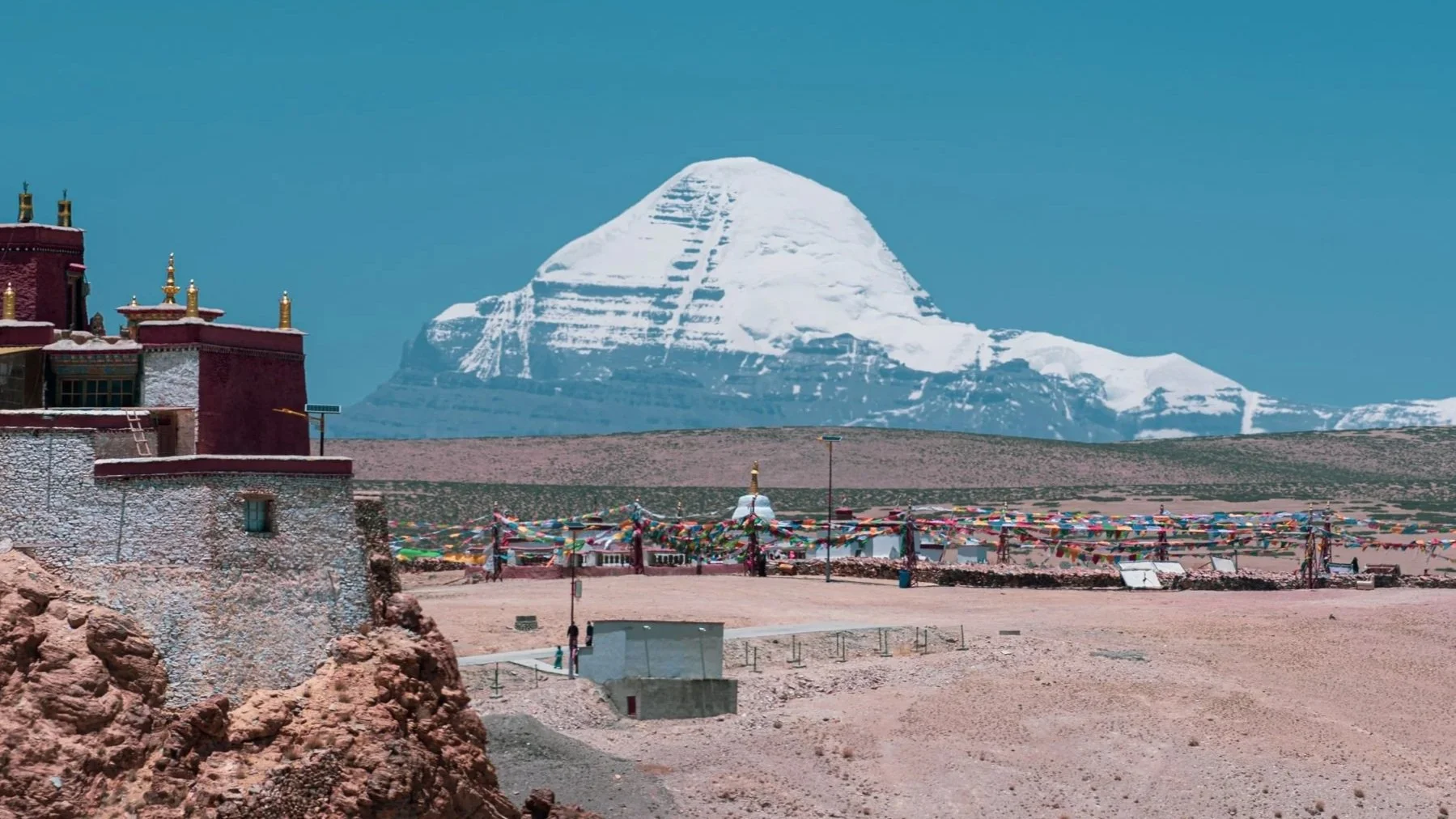
Kunming–Lhasa–Mount Kailash, 18 Days
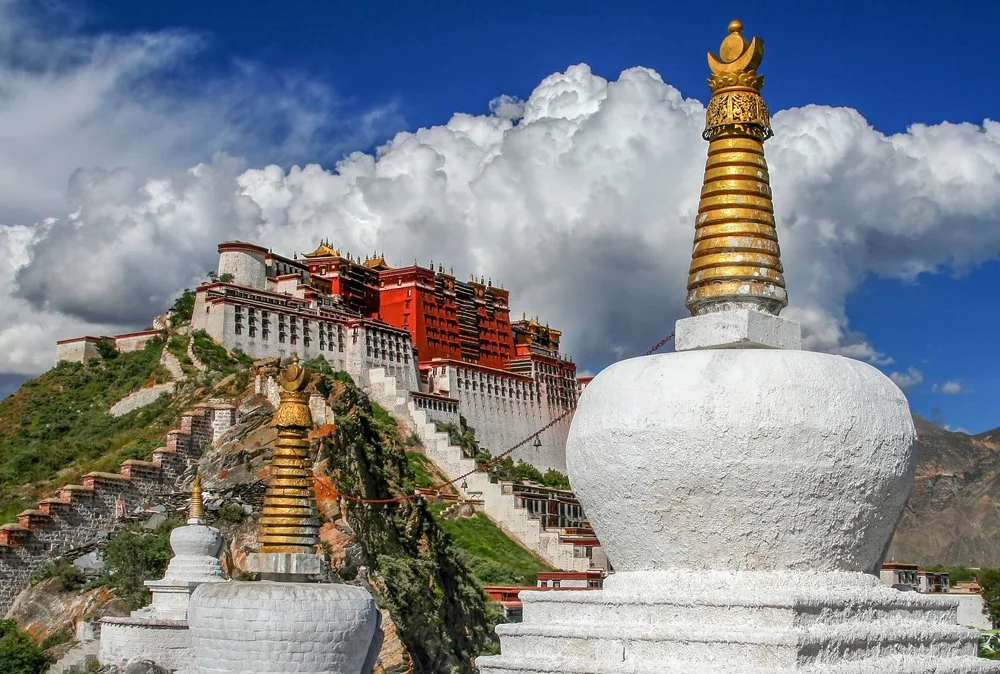
Chengdu to Lhasa: 10 Days