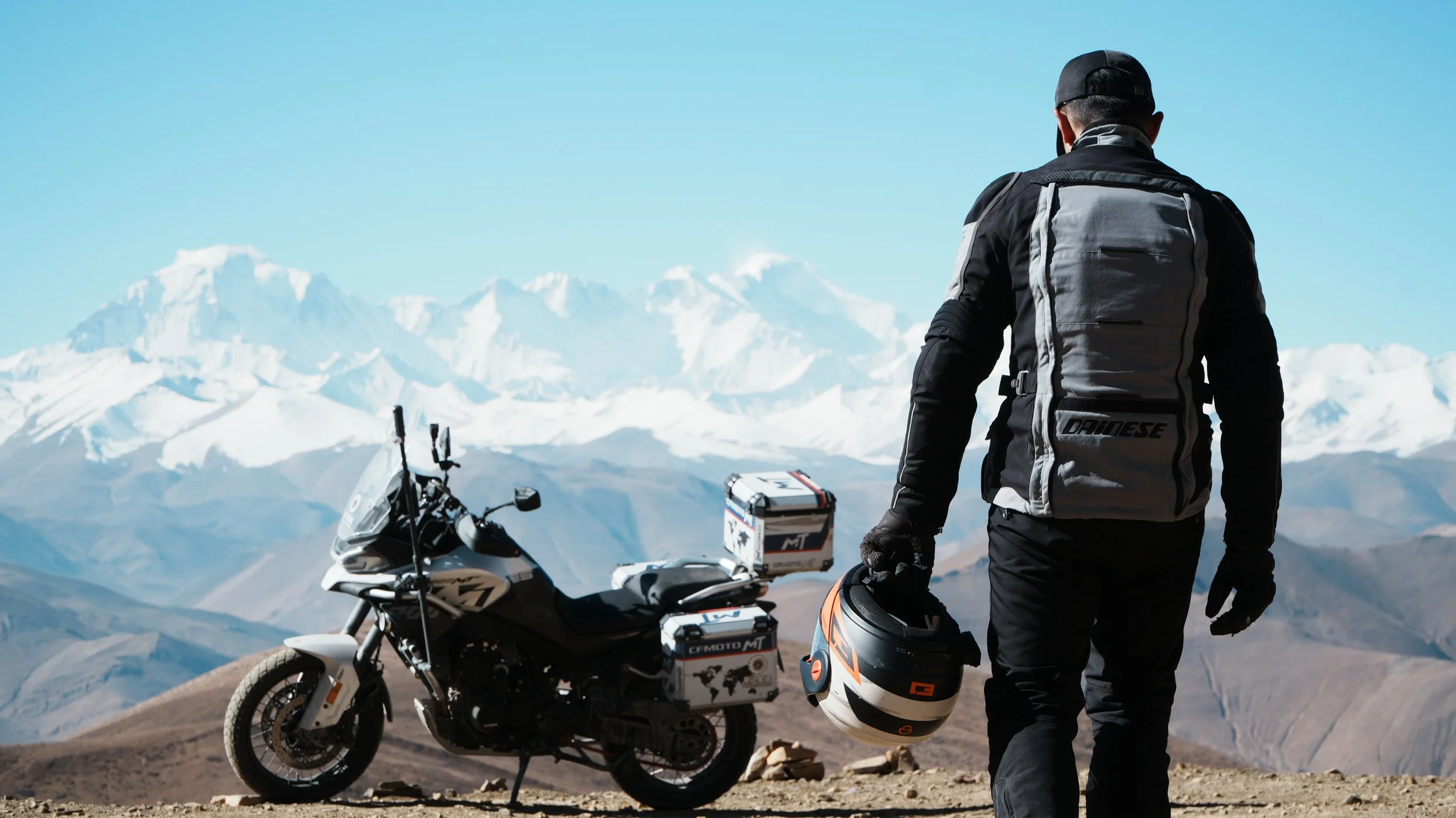
A Survival Guide for "Double Altitude Sickness" for Knights and Chariots
Scientific Prevention: A Must-Take Course Before You Leave
A Step-by-Step Approach and a “Slow” Pace:
Avoid flying directly to high-altitude areas: It is recommended to first spend 1–2 days acclimatizing in cities at medium-to-low altitudes, such as Lijiang or Golmud (2,000–2,500 m). Try to limit your daily elevation gain to no more than 500 m.
The " Golden 48 Hours": During the first 48 hours after arriving at high altitude, make sure to "walk slowly, speak slowly, and eat slowly." Avoid strenuous activities such as jumping, running, or carrying heavy loads.
Lifestyle Changes:
Drink plenty of water and eat plenty of carbohydrates: Drink at least 1.5 liters of warm water daily to boost your metabolism; eat plenty of carbohydrates, such as rice and noodles, to increase your metabolic rate.
Three Major Taboos: Strictly avoid alcohol and smoking (which significantly worsen oxygen deprivation). For the first 2–3 days after arriving at high altitudes, try not to wash your hair or take a shower to avoid vasodilation, which can worsen oxygen deprivation and lead to catching a cold.
Guidance on the Proper Use of Medications:
Rhodiola: Should be taken 5–10 days in advance; taking it on an ad hoc basis has limited effectiveness, as it primarily serves a supportive and regulatory role.
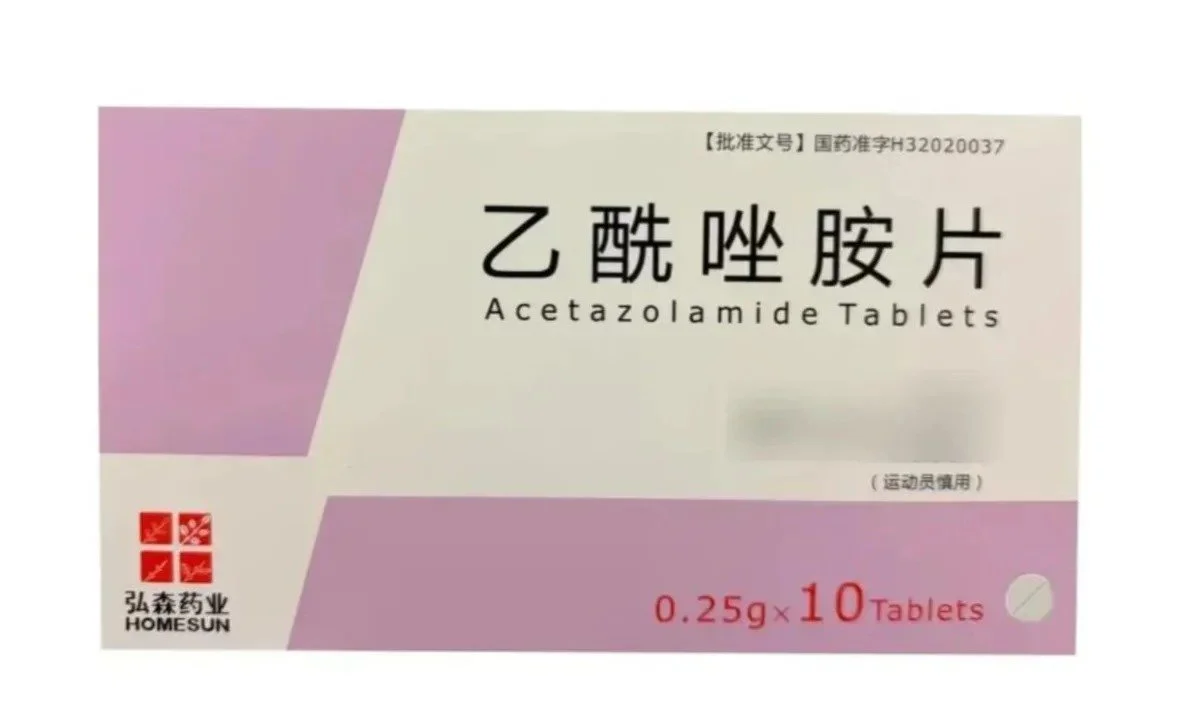
Acetazolamide: An internationally recognized prophylactic medication (to be taken 24–48 hours in advance). Note: This is a prescription medication; it is contraindicated for individuals with a history of sulfa allergy or certain underlying medical conditions. Be sure to follow your doctor’s instructions.
Emergency Supplies: Ibuprofen (for headaches), oral glucose solution (for quick energy), and anti-nausea medication.
Emergency Response: What to Do If You Experience Altitude Sickness?
Rest immediately: Stop all activity, remain seated or in a semi-reclining position, and avoid lying flat at all costs. (When sleeping, use extra pillows to elevate your head and lie on your right side to keep your airway clear.)
Breathe slowly and deeply: Inhale through your nose and exhale through your mouth, using diaphragmatic breathing (allowing your abdomen to rise and fall with each breath), and avoid taking large, rapid breaths.
Replenish Sugar: Drink small amounts of warm water or glucose solution frequently, or eat chocolate or candy to replenish energy.
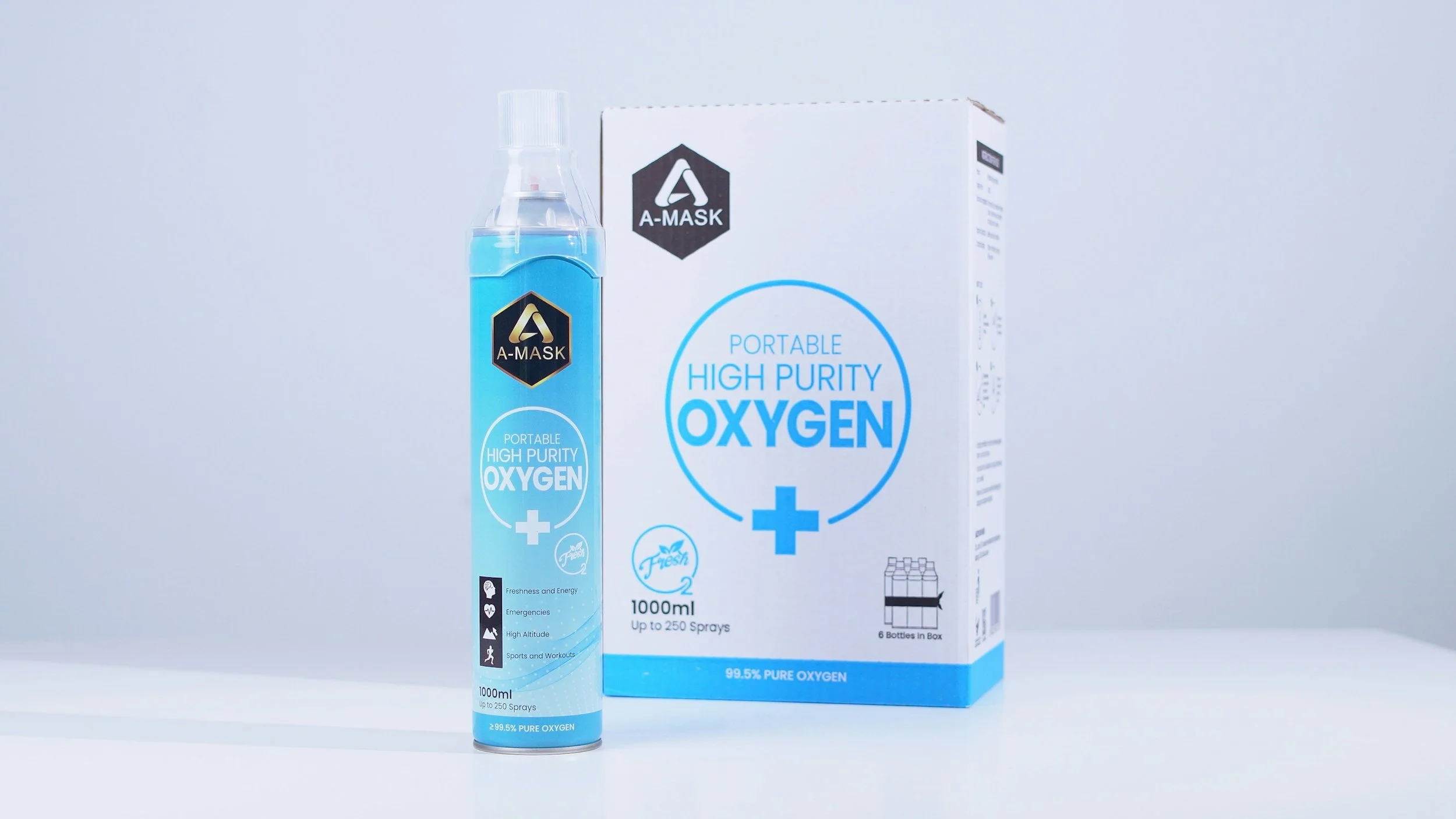
Proper Oxygen Use: If symptoms are severe or your blood oxygen level is below 90%, immediately use a portable oxygen device or a medical oxygen cylinder. (Oxygen therapy is a life-saving measure and does not lead to dependence!)
Immediate Descent: If symptoms do not improve or even worsen after resting and using oxygen, immediately descending to a lower elevation is the only and most effective solution (symptoms will improve significantly after descending 300–500 meters).
A Guide to Avoiding Pitfalls: Debunking Common Myths About Altitude Sickness
-
❌ Misconception 1: The healthier you are, the less likely you are to experience altitude sickness?
Fact: Altitude sickness depends on genetically determined “tolerance to hypoxia” and the rate of ascent. Fitness enthusiasts with high muscle mass, fast metabolism, and high oxygen consumption may be more prone to altitude sickness than the average person.
-
❌ Misconception #2: Does using oxygen lead to dependence? Should you just tough it out if you can?
Fact: Oxygen is not an addictive substance. In cases of severe altitude sickness, using oxygen can prevent the condition from worsening into pulmonary edema or cerebral edema. Never try to tough it out just to avoid becoming “dependent.”
-
⚠️ Be extremely vigilant about colds:
The temperature difference between day and night at high altitudes is significant, and exposure to the cold can easily trigger life-threatening high-altitude pulmonary edema. Be sure to use the “onion-layering method” to keep your head and body well protected.
Mechanical "High-Altitude Reaction" and Maintenance Principles
1. The three main symptoms of mechanical altitude sickness:
🐌 Significant loss of power: The thin air reduces the amount of oxygen in the intake, causing the electronic fuel injection system to automatically reduce fuel injection. In large-displacement vehicles, the throttle feels heavier; in small-displacement vehicles (125cc–150cc), power may drop by more than half, making it necessary to use a low gear and high RPM to barely make it up hills.
♨️ Coolant is prone to “boiling over”: A drop in atmospheric pressure causes the boiling point of water to decrease (it may boil at temperatures below 100 degrees). When driving uphill under heavy loads or on long downhill stretches, the engine is highly susceptible to overheating and “boiling over.”
⛽ Negative Pressure in the Fuel Tank and Difficulty Starting: Changes in atmospheric pressure can easily cause poor ventilation in the fuel tank cap of some vehicles, resulting in negative pressure, which leads to poor fuel delivery and difficulty starting the engine.
2. Thorough Preparation and Modifications Before Departure:
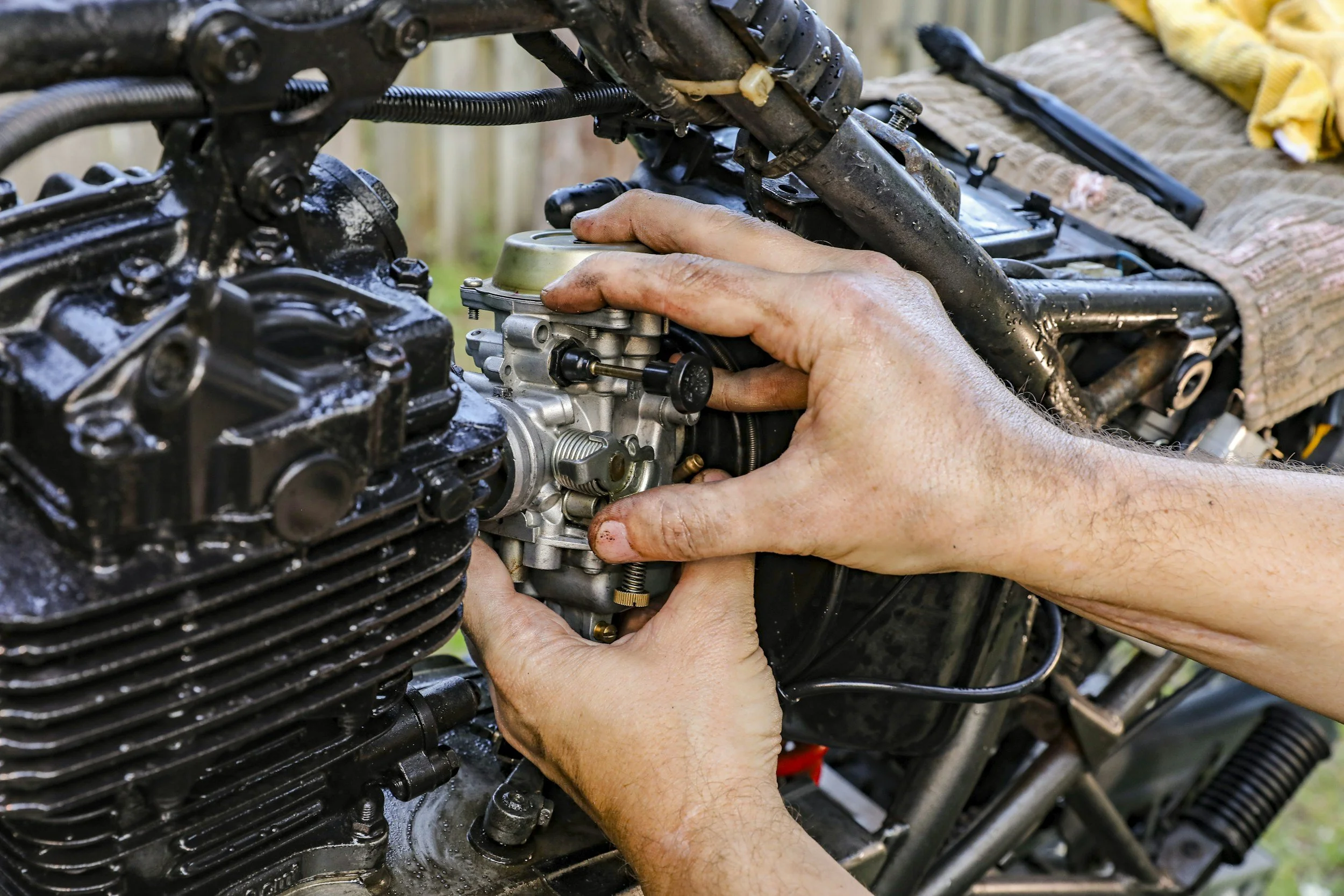
🌪️ Intake System: Be sure to clean the air filter or replace it with a brand-new one. A clogged air filter can exacerbate insufficient air intake, causing the car to perform even worse.
💧 Cooling System: Ensure the coolant level is adequate and that its boiling point meets the requirements for extreme high-altitude environments.
⚙️ Optimized gear ratios (great news for small-displacement engines):
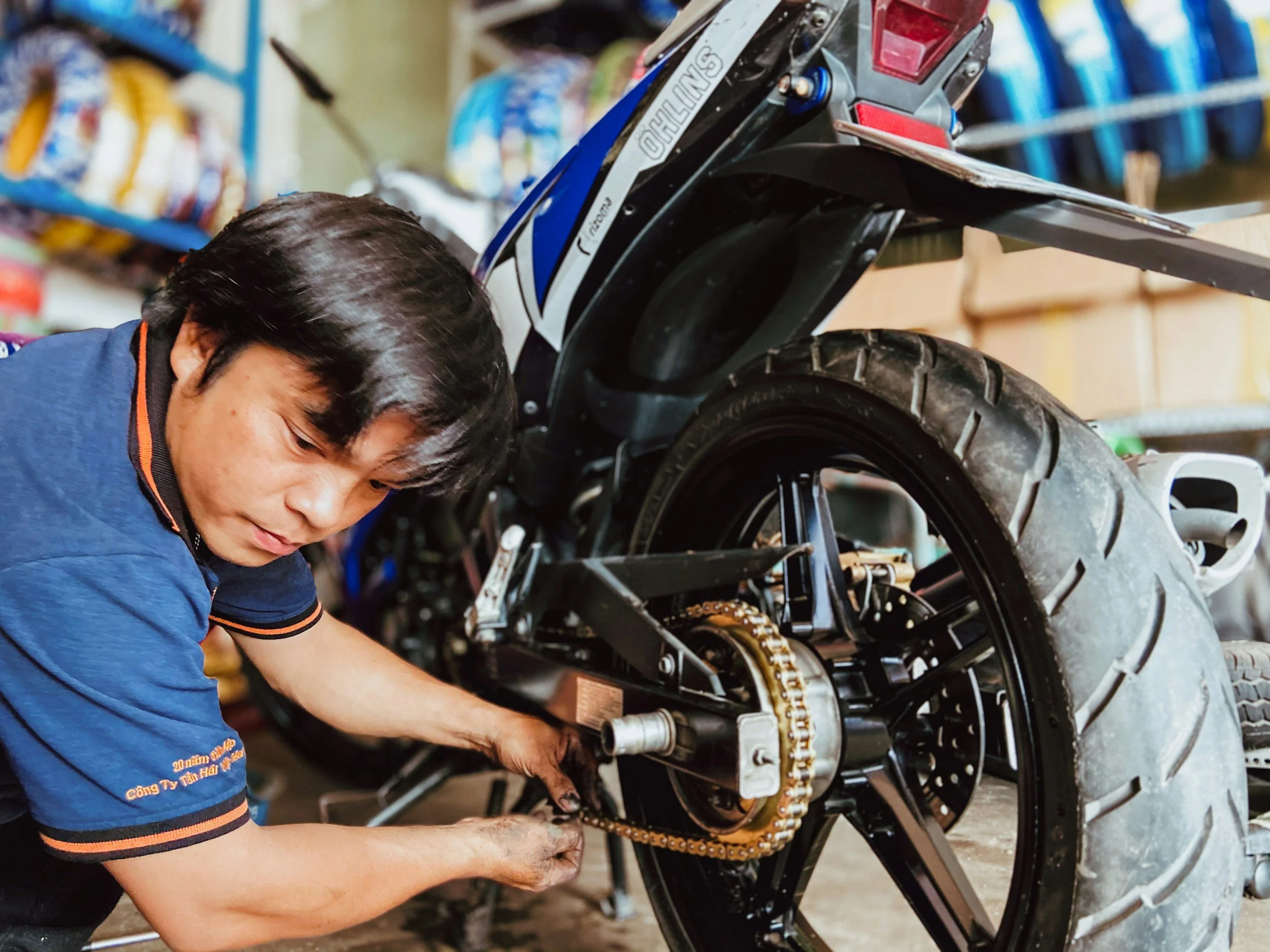
Straddle-style gearing: Swap the sprockets (small front, large rear) to sacrifice top speed in exchange for greater torque, improving low-speed climbing power.
Scooter: Replace the pulley balls with lighter ones to increase engine RPM and compensate for the loss of power.
Essential Gear Checklist for Traveling to Tibet
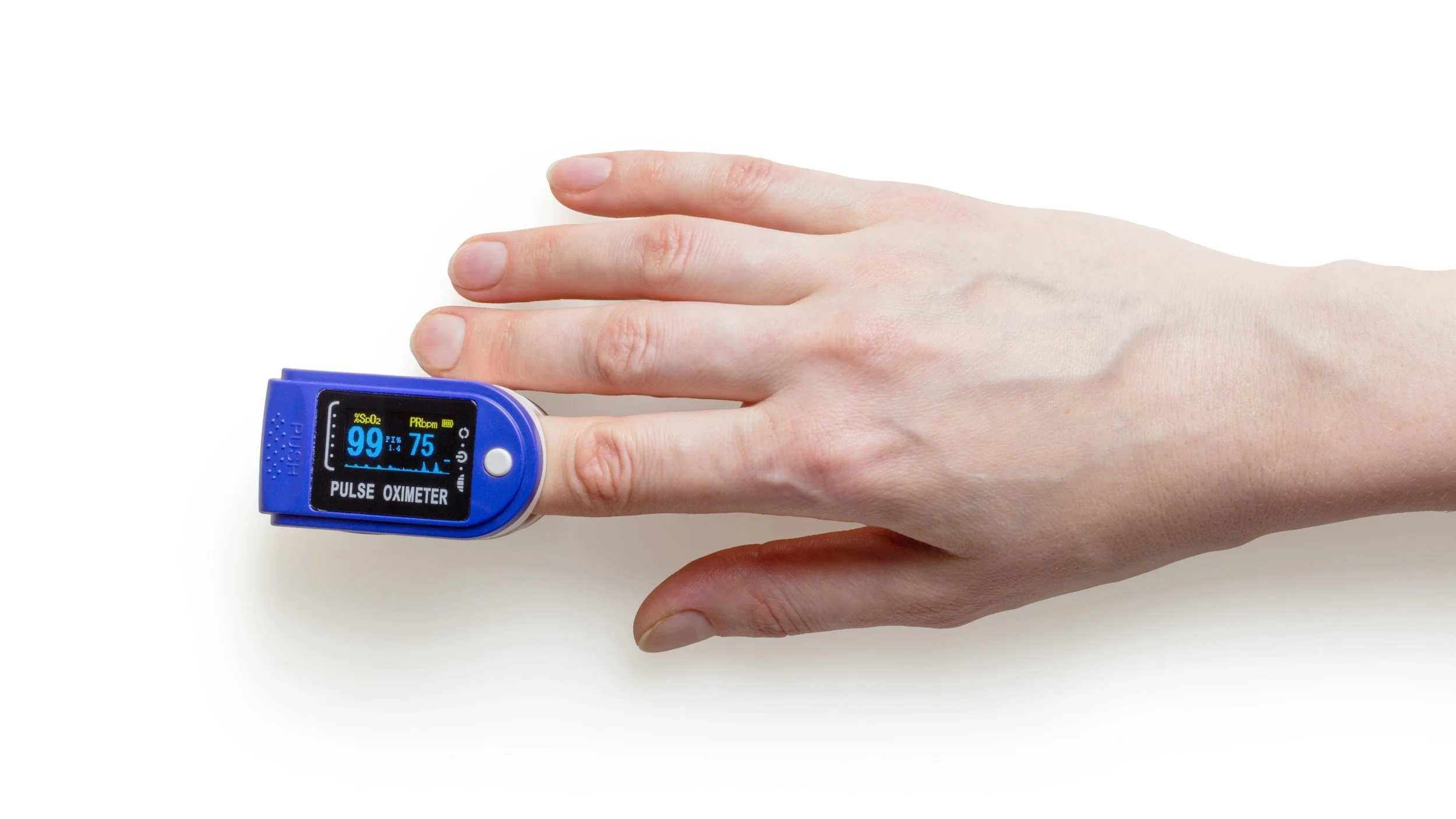
Medical-Grade Finger-Clip Pulse Oximeter
Medical-grade; monitors blood oxygen saturation and heart rate at all times. Be alert if levels fall below 90%.
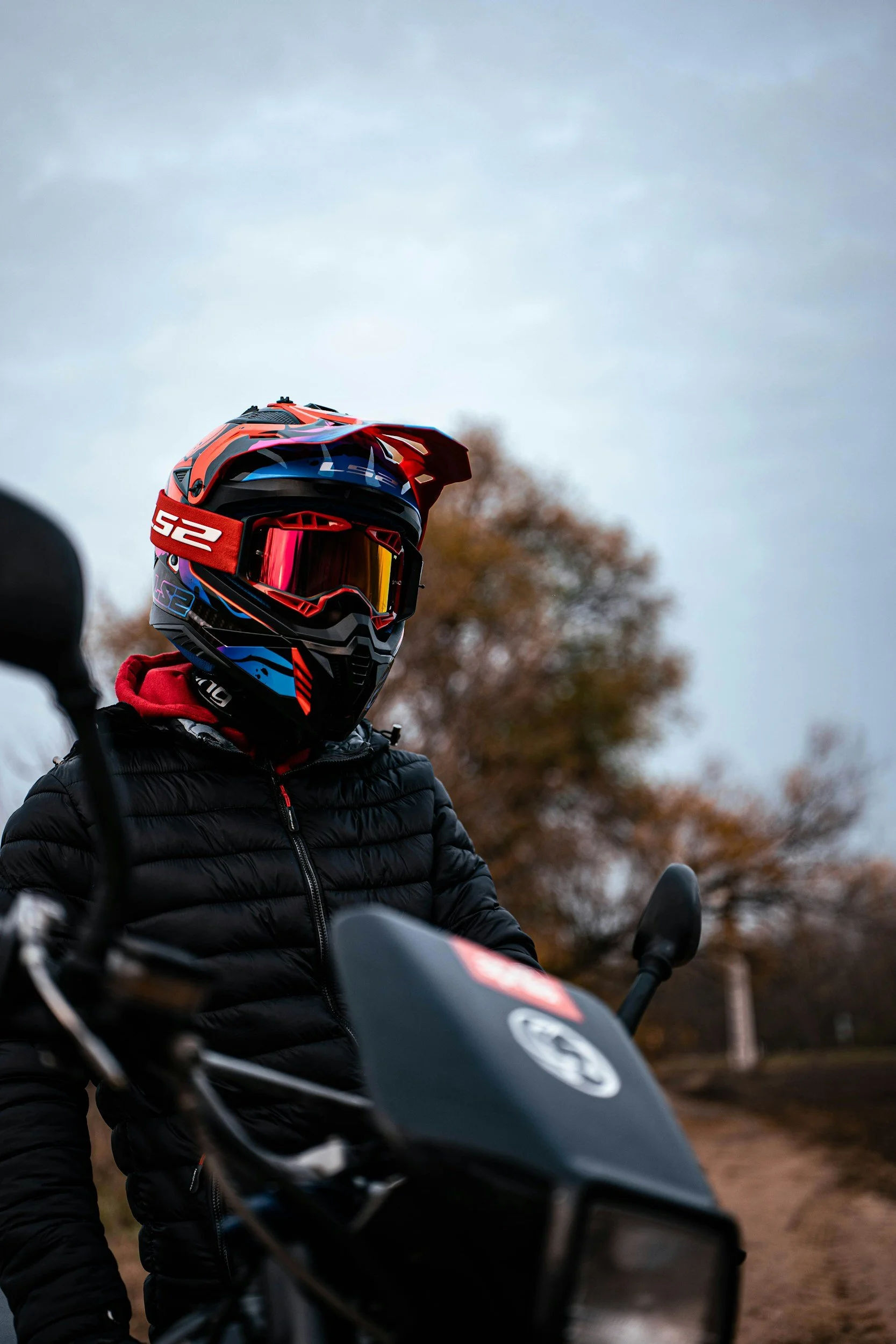
Warm Clothing
A thick coat, a hat, and a scarf to keep out the wind and stay warm.
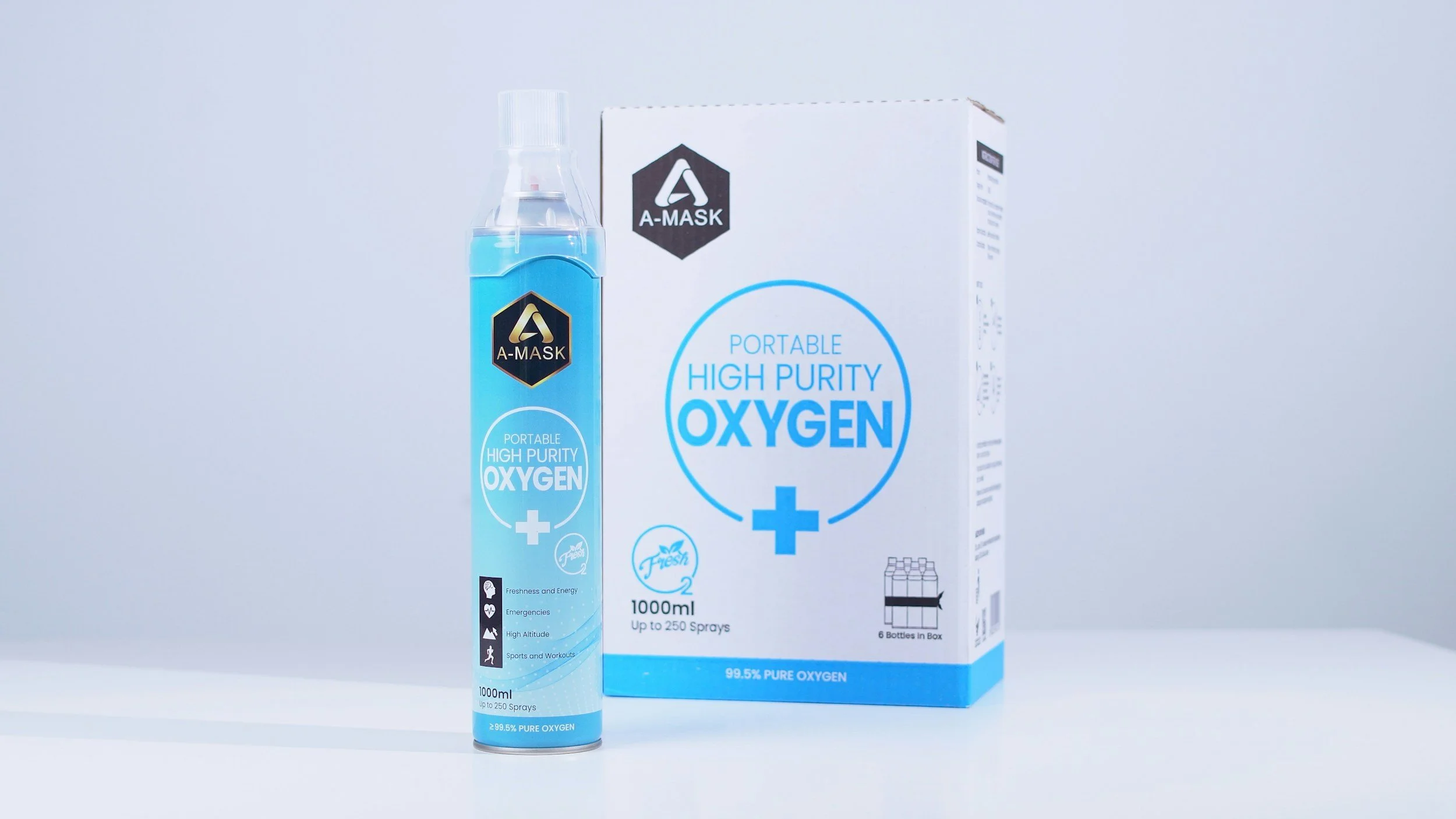
Oxygen Cylinder
Panda Compass thoughtfully equips every team with portable oxygen cylinders and medical-grade oxygen.

Sunscreen Products
Ultraviolet rays are extremely strong at high altitudes, so be sure to bring high-SPF sunscreen, sunglasses, and a hat.